
STRAW PELLET MILL
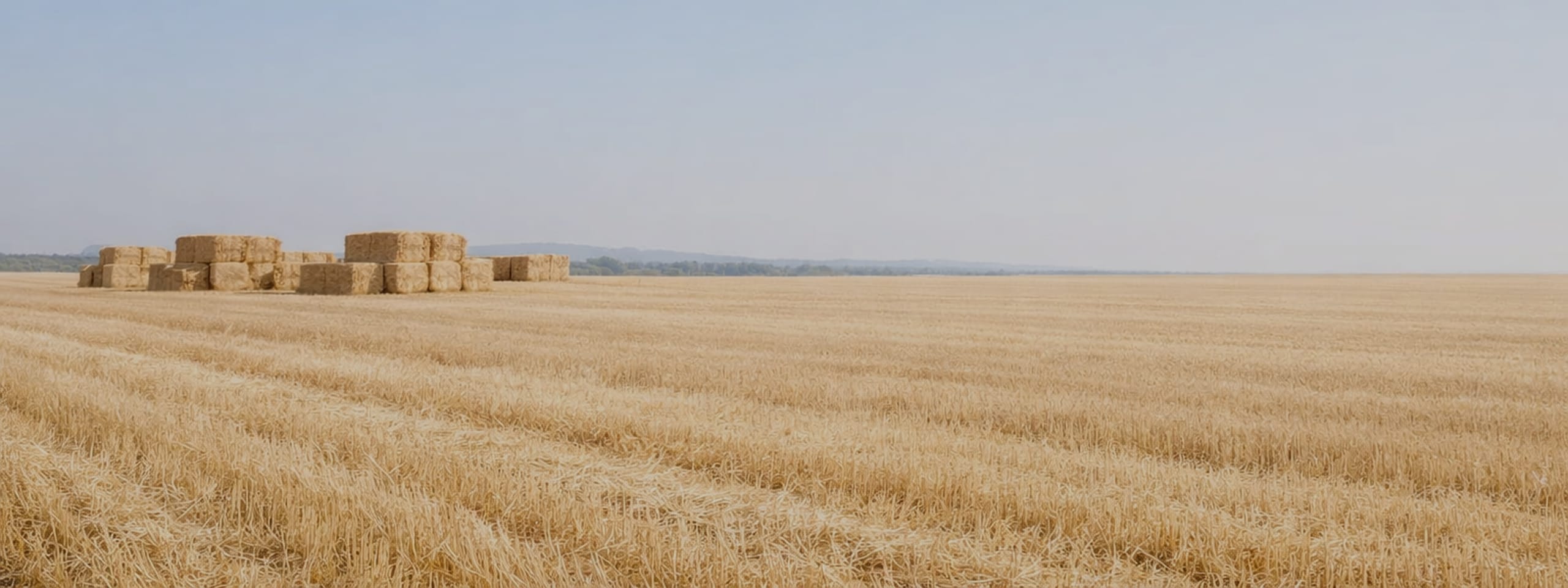
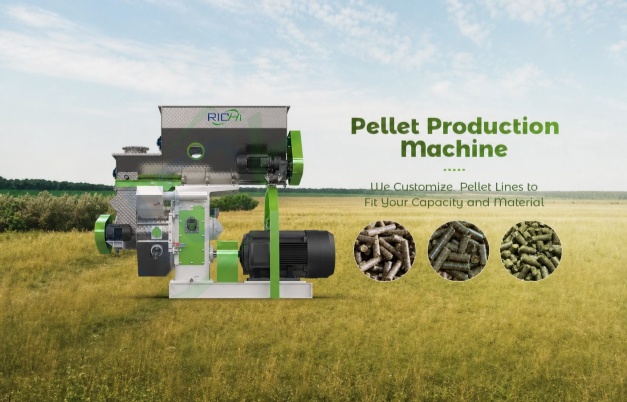
Straw pellet mill mainly process agricultural straws such as corn, soybeans, wheat, and rice into high-density pellets. It is widely used in agricultural biomass utilization, biomass fuel pellet production lines, feed processing plants, energy plants, biomass fertilizer plants, and comprehensive agricultural utilization projects, combining environmental protection and economic benefits.
WORKING PRINCIPLE AND APPLICABLE SCENARIOS
RICHI MANUFACTURE boasts over 30 years of experience in designing and manufacturing pelleting equipment, maintaining a leading position in the industry and fully meeting the needs of various pelleting applications. Our equipment, through scientific design and professional manufacturing, efficiently reuses straw resources, enhancing their storage, transportation, application, and economic value.
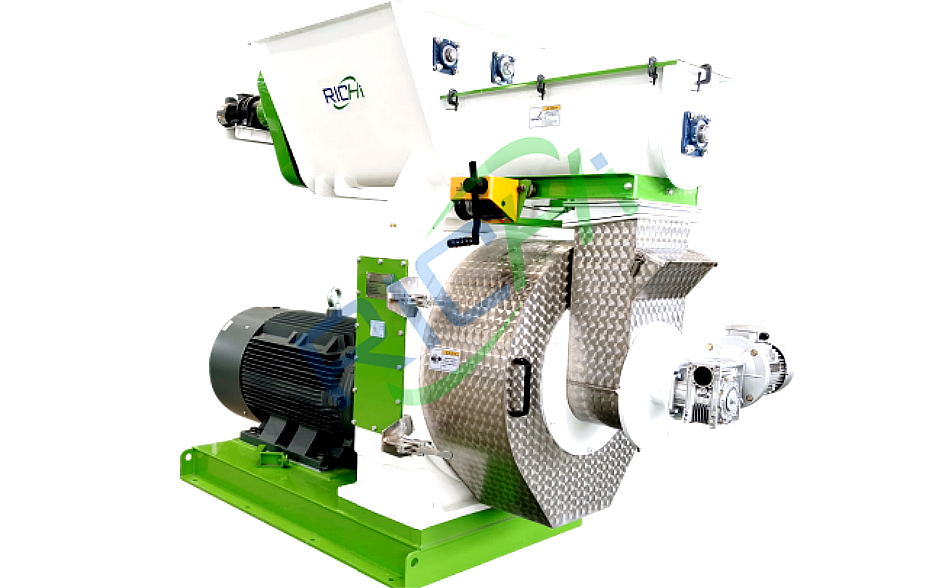
In straw pellet production, the pre-treated material enters the pelleting chamber of the straw pellet mill and is forced into the die hole by the action of the ring die and the pressure roller. During this process, high-pressure friction generates heat, which softens the lignin and acts as a binder. Finally, it is extruded and cut into dense, smooth cylindrical pellets.
- Applicable to energy companies
- It can be applied to feed processing plants
- It can be applied to organic fertilizer plants
- It can be applied to agricultural comprehensive utilization projects
Are you curious to see exactly how various materials are transformed into clean, high-density biomass pellets? In the video on the right, we showcase the complete production workflow of a biomass pellet manufacturing plant—covering every stage from raw material processing to final packaging—giving you a detailed look at the entire process.
aVAILABLE rAW mATERIALS
Our straw pellet mill is highly adaptable to various raw materials and can process various agricultural straw waste materials.
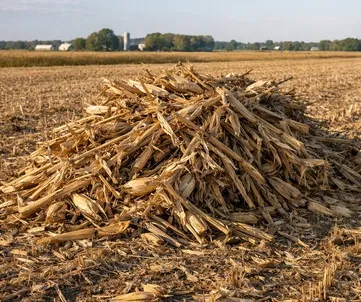
Corn stalks
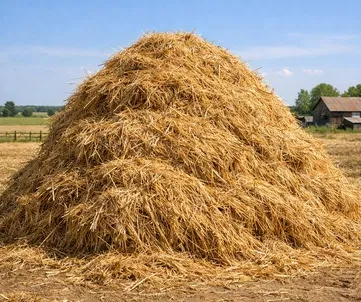
wheat stalks
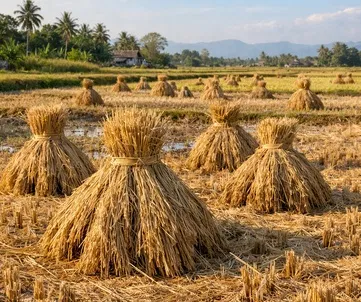
rice stalks
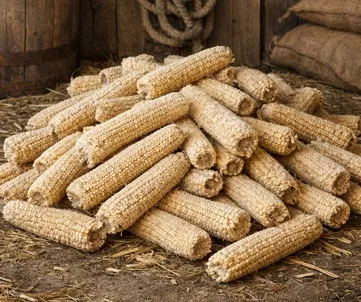
corn cobs
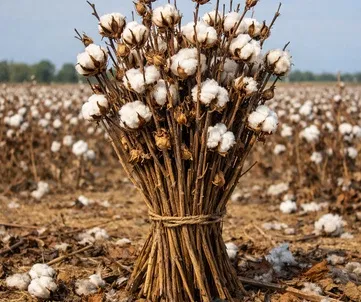
cotton stalks
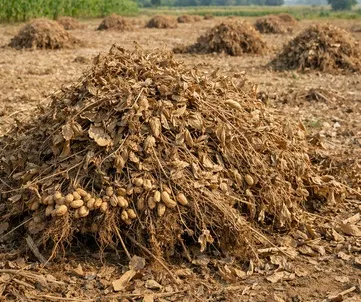
peanut vines
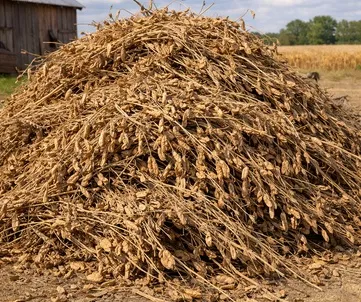
soybean stalks
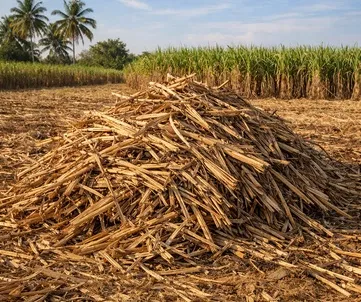
sugarcane tops
CORE TECHNOLOGY ADVANTAGES
We have a professional technical team and an independent manufacturing plant, and with 30 years of industry experience, we have devoted ourselves to designing and manufacturing high-efficiency, durable, and cost-effective straw pellet mills.
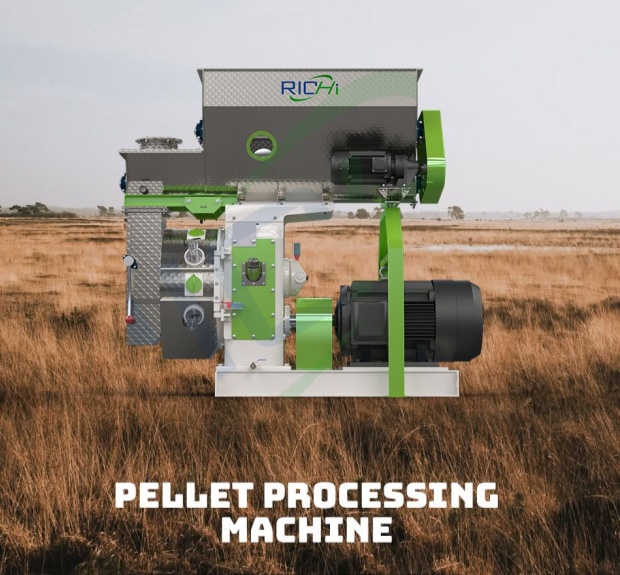
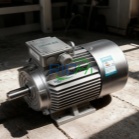
High efficiency and stability
It uses an imported Siemens motor, which can maintain stable working capacity under high intensity for a long time.
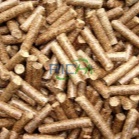
High-quality pellets
After professional testing, our pellet mill has achieved a pellet forming rate of over 98%.

Low consumption and easy to maintain
Precision design, wear-resistant components, and optimized power systems significantly reduce maintenance and operating costs.
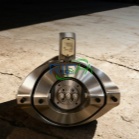
Overload Protection Device
Equipped with an intelligent overload protection system to prevent equipment damage and extend the overall machine lifespan.
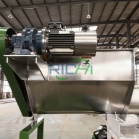
Stainless Steel Feeding System
The feeding auger and modulator are made of stainless steel, which is corrosion-resistant, durable, and prevents raw material contamination.

Quick release hoop Ring Die
The ring mold features a quick-release design, making it easy to replace and effectively reducing the risk of cracking.

OUR ADVANTAGES
Since its establishment in 1995, RICHI Machinery has continuously reached new heights in the pelleting equipment manufacturing industry. We always adhere to technology-driven development, constantly break through our own limitations, and continuously invest in product research and development and production line construction. We always take customer needs as our guide and provide more accurate and reliable solutions.


Technical Advantages
Our experienced and highly capable technical team continuously optimizes equipment performance, exploring lower energy consumption, higher efficiency, and lower cost granulation technologies to design more rational and efficient factory solutions for our clients.
Quality Advantages
Our company maintains extremely strict quality control over its factory equipment, employing cutting-edge technology and highly wear-resistant materials in its manufacturing. The equipment is not only durable but also features additional safety features and protective devices.
Price Advantages
With a manufacturing plant exceeding 60,000 square meters, our long-term technological innovation and large-scale production have enabled us to effectively control factory construction costs, helping our clients achieve the best returns on their investments.
Service Advantages
We provide comprehensive pre-sales and after-sales services, covering initial technical team communication and design, factory construction, equipment transportation, installation, and commissioning, providing you with a one-stop, worry-free experience.
STRAW PELLET MILL SPECIFICATIONS
We have designed six models of straw pellet mills, with a single machine capacity ranging from 0.5 to 8 t/h. We can customize equipment and production lines to meet your specific needs.
| Model | CZLH320 | CZLH350 | CZLH420 | CZLH520 | CZLH678 | CZLH768 |
| Main Motor Power(kw) | 22 | 37 | 90 | 132 | 200 | 250 |
| Arch-breaking feeder power(kw) | 2.2 | 2.2 | 3 | 3 | 3 | 4 |
| Forced Feeder Power(kw) | 0.75 | 0.75 | 1.5 | 1.5 | 1.5 | 1.5 |
| Ring Die Diameter(mm) | 320 | 350 | 420 | 520 | 673 | 762 |
| Pellet Diameter(mm) | 4-12 | 4-12 | 4-12 | 4-12 | 4-12 | 4-12 |
| Output Capacity(T/H) | 0.5-0.6 | 1.0-1.2 | 1.8-2.0 | 2.8-3.0 | 4-5 | 6-8 |
GLOBAL STRAW PELLET MILL PROJECT CASES
Currently, our pelletizing equipment has been exported to more than 140 countries and regions worldwide, and over 2,000 production lines have been successfully installed. The following case studies cover different raw materials, capacity requirements, and market applications, and can serve as a reference for making the best investment decisions.
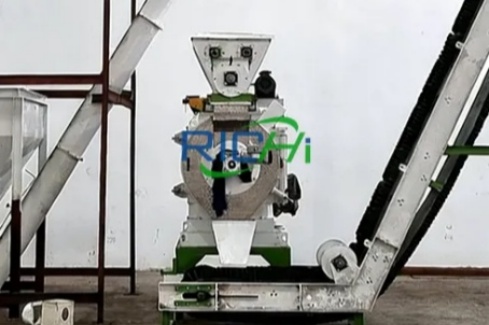

India
0.5-0.8T/H project
Small farms in eastern India are using straw pelleting production lines to convert straw and livestock manure into organic fertilizer, which not only solves environmental pollution problems but also brings new economic benefits.
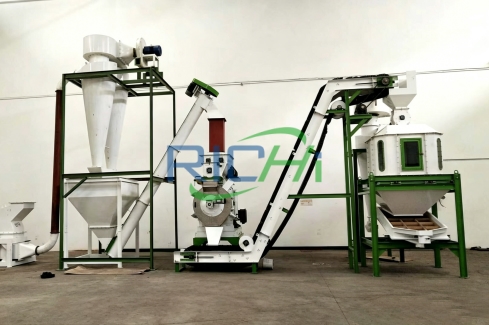

Russia
0.8-1.5T/H project
Small and medium-sized farms in the Russian Far East have successfully improved resource recycling rates and reduced waste disposal costs by using straw pellet mills to process wheat and corn stalks.
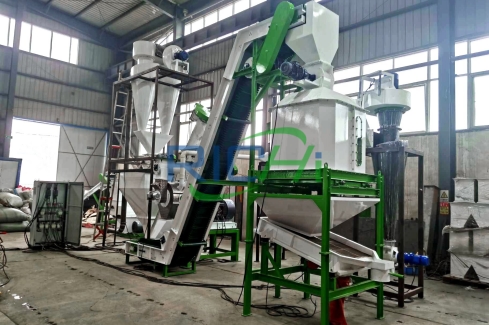

Germany
1.5-3T/H Project
The project was established at a medium-sized farm in Germany, aiming to efficiently process large amounts of straw waste, reduce land occupation, and improve the farm’s resource utilization rate.
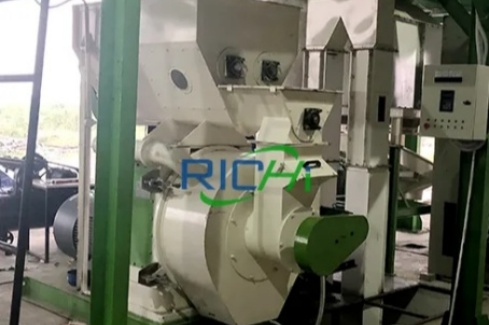

Australia
3-5T/H Project
The client for this project is an agricultural cooperative in Australia. By establishing a production line, they effectively addressed the air pollution problem caused by the accumulation and burning of wheat and barley straw.
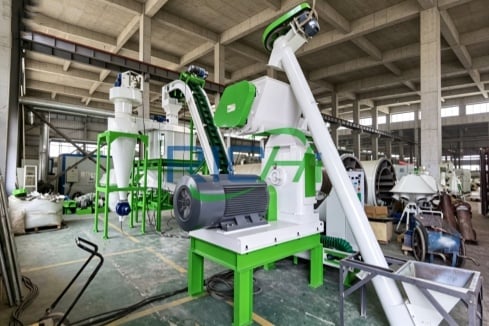

USA
5-7T/H Project
A large farm in the western United States has solved the problem of waste material accumulation and achieved fertilizer self-sufficiency by using accumulated corn and wheat straw to produce organic fertilizer.
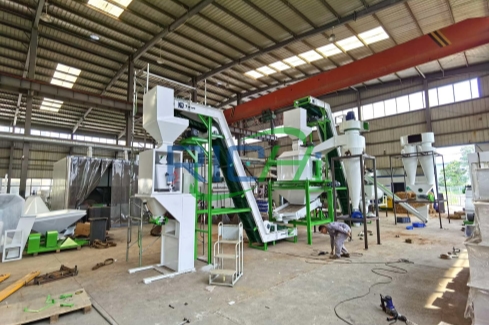

Brazil
7-10T/H Project
A large Brazilian agricultural company, facing the challenge of processing sugarcane and soybean straw, has successfully converted the waste into fuel pellets using a straw pellet mill, generating substantial economic benefits.

BASIC PROCESS OF STRAW PELLET PRODUCTION LINE
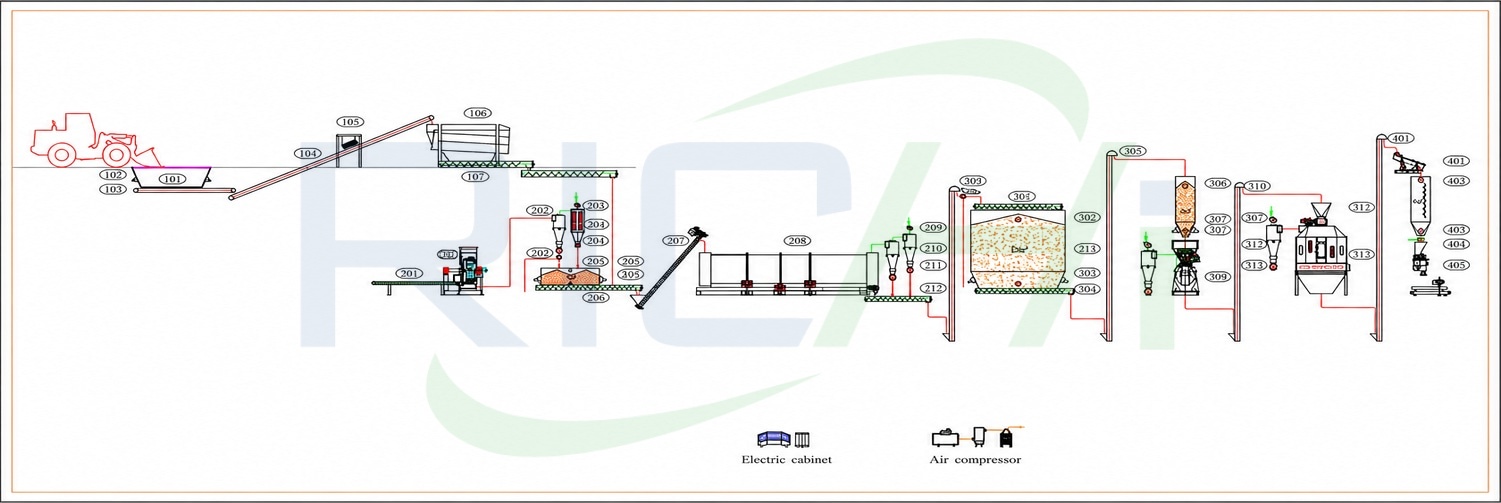
A complete pelleting production line needs to have processes such as cleaning, crushing, drying, pelleting, cooling and screening, and finished product packaging. These steps cover raw material processing to finished pellet packaging, and it is a highly automated production line process.
1
Cleaning:
The purpose of the raw material cleaning stage is to remove impurities from the raw materials, mainly metal impurities, to ensure equipment safety and the quality of the finished granules.
2
Crushing:
Raw material crushing is a necessary step in pelleting. Various raw materials need to be crushed to a size of about 3mm so that they can produce good pellets when compressed in the pellet mill.
3
Drying:
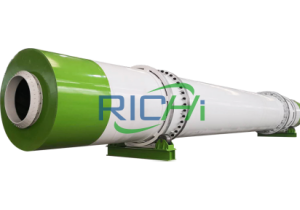
Under normal circumstances, the moisture content of the material needs to be controlled between 13% and 18% to achieve good granulation results and prevent spoilage and mold growth during subsequent storage, which would affect its use.
4
Pelletizing:
This is the key link in the entire pelleting production line. The pre-treated material is sent into the pelleting chamber of the pellet mill, where qualified pellet products are produced under the action of the ring die and pressure rollers.
5
Cooling and Sieving:
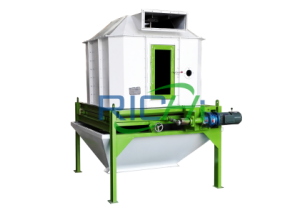
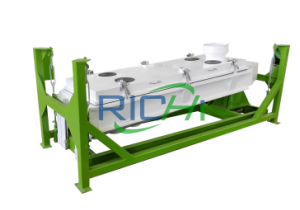
The freshly formed granules have a high temperature, about 80°C, and need to be cooled and shaped in time to increase hardness and wear resistance. At the same time, a very small amount of unformed or substandard loose material is removed and returned to the production line for re-granulation.
6
Packaging:
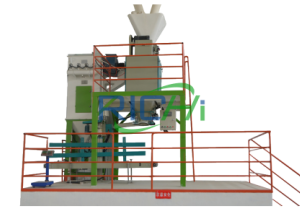
After a series of processing steps, the finished granules can be packaged directly according to certain specifications, completing the final step of the entire production line.
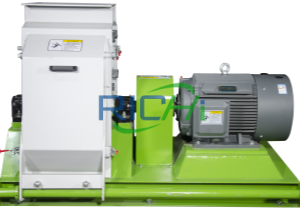
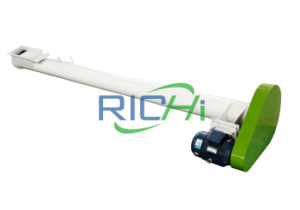
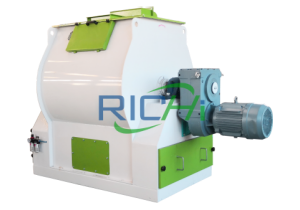
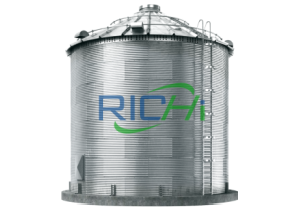
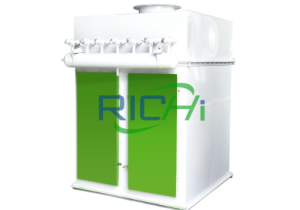
OVERVIEW OF RELATED EQUIPMENT FOR PRODUCTIOON LINE PROCESSES
We offer not only single pellet machines, but also complete production line equipment and customized production line solutions. If you are interested in upgrading or improving your production with our equipment, please feel free to contact us; we will provide you with a satisfactory solution.
OTHER PELLETIZING SOLUTIONS
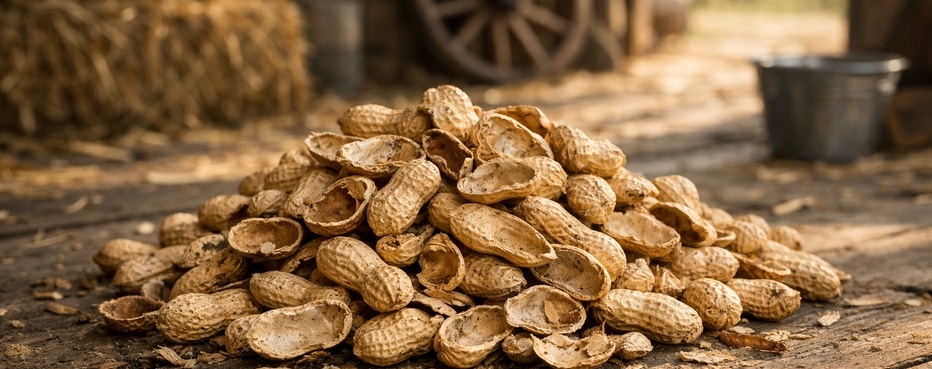
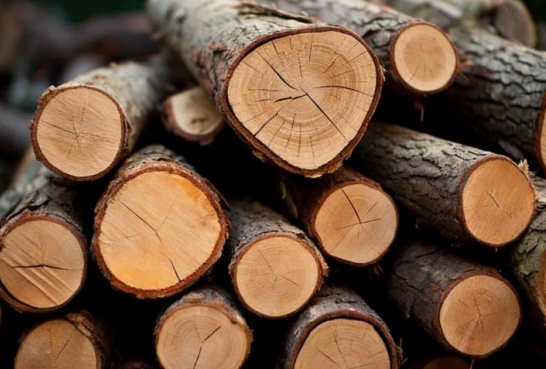
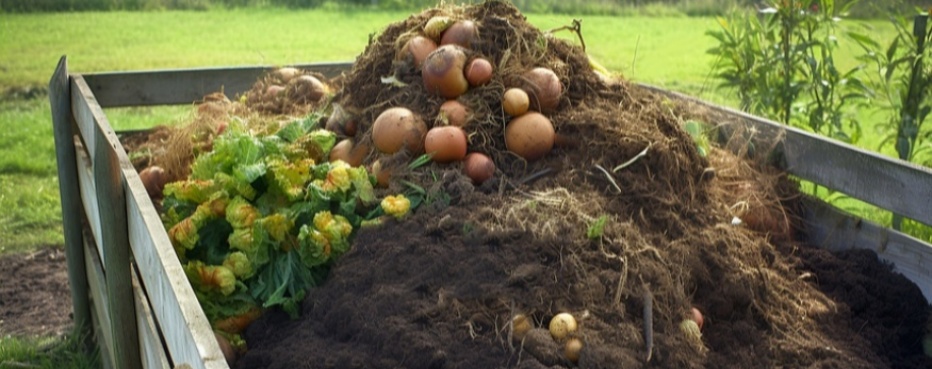
In addition to straw pellet machine and straw pelleting solution, we also offer other pelleting solutions, such as husk pellet machines, wood pellet mills, hay pellet mills, organic fertilizer pellet mills, etc. You can click the button below to learn more.
FREQUENTLY ASKED QUESTIONS
To help you gain a more comprehensive understanding of straw pellet mills, we have compiled the following frequently asked questions. If you have more specific project needs or technical inquiries, please feel free to contact our professional team. We will provide you with tailored solutions and support.
What is the production capacity of your straw pellet mill?
+
Our straw pellet mills have a single-machine production capacity ranging from 0.5-8T/H, perfectly suited to various production scales. The exact output depends on factors such as production scale, equipment selection, raw material formulation, and production line configuration. For more details, please contact us directly or leave your contact information, and our technical staff will answer your questions.
What are the application scopes of straw pellet mills?
+
Straw pellet mills are suitable for processing agricultural waste, especially crop straw, sawdust, rice straw, peanut shells, etc. They can be widely used in farms, agricultural cooperatives, feed processing plants, organic fertilizer processing plants, biomass energy production companies, etc., for producing biomass fuel pellets, animal feed, or organic fertilizer.
What are the main technical parameters of the straw pellet mill?
+
Power Requirements: Motor power typically ranges from 37KW to 200KW depending on output.
Output Range: Generally 0.5T/H to 8T/H;
Pellet Diameter: Pellet diameters of 2-12mm can be produced, with 6mm, 8mm, and 10mm being common specifications available;
Applicable Raw Materials: Straw, sawdust, rice straw, peanut shells, etc.
How to Choose the Right Straw Pelletizing Equipment?
+
When selecting a straw pelletizer and production line equipment, the following factors need to be considered:
Raw Material Type and Moisture Content: Different types of straw and waste materials may require different processing methods;
Production Capacity: Choose a machine type with a suitable production capacity to prevent low efficiency and avoid excessive power consumption that wastes machine resources and increases costs;
Energy Consumption: High-efficiency and energy-saving machines can reduce long-term operating costs;
After-Sales Service: Choose a manufacturer with comprehensive after-sales service to ensure stable equipment operation.
We at RICHI Machinery have a complete technical team, manufacturing team, and service center, committed to one-stop solutions. Choosing us means choosing peace of mind and high efficiency.
Approximately how much does it cost to set up a straw pelleting production line?
+
The price of a straw pelleting production line varies depending on the production scale and raw material formula. A suitable pelleting production line requires different equipment configurations to achieve the highest production efficiency and the most cost-effective configuration. Generally, the price of a single straw pelleting machine ranges from $7,000 to $100,000. For a specific price reference, please leave your requirements, and our dedicated service personnel will provide a detailed quote as soon as possible.

