
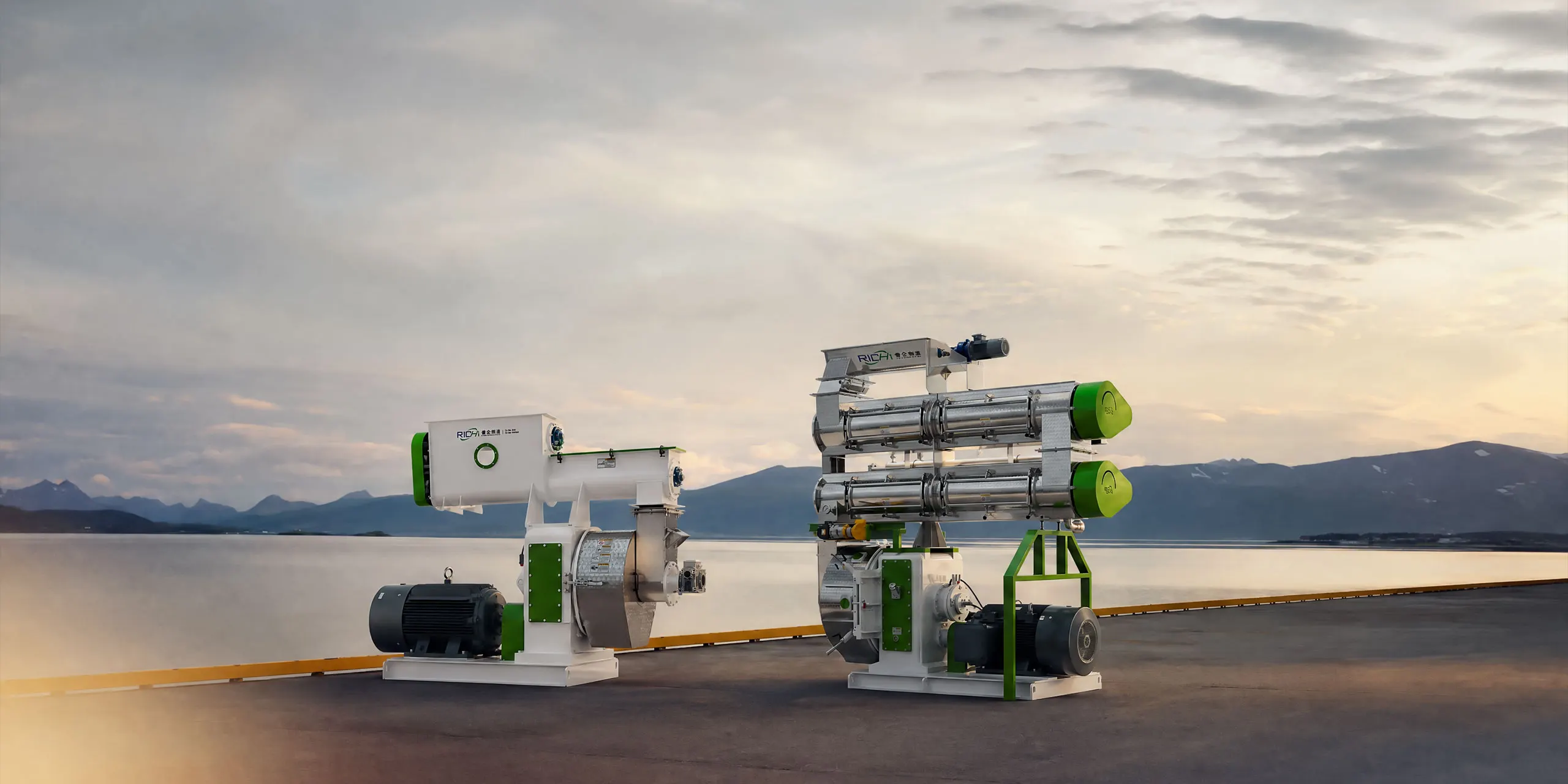
RICHI MANUFACTURE PRODUCTS
As a professional manufacturer of complete pelleting equipment, RICHI provides equipment and system solutions covering the entire pellet production process. Our product range includes pellet machines, crushers, dryers, mixers, coolers, screeners, and bagging machines, as well as auxiliary equipment for conveying, storage, batching, and cleaning.
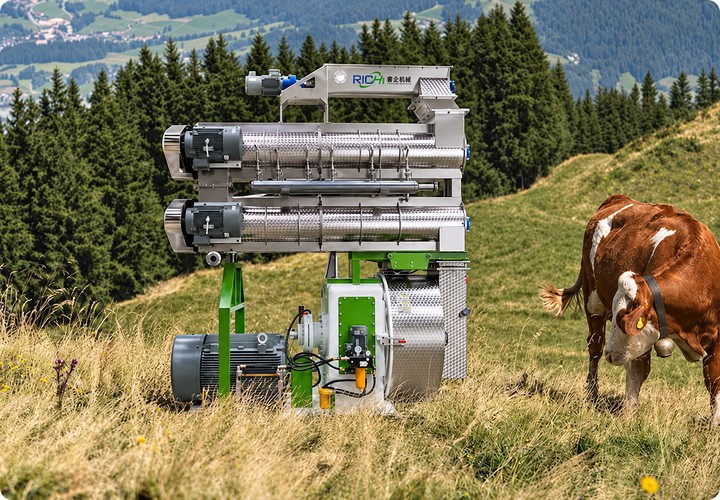
Animal Feed Pellet Machine
Designed specifically for feed pellet production; suitable for processing feed for poultry, livestock, and aquatic species (such as fish, shrimp, and crabs) to meet the requirements of various animal breeds, feed formulas, and production needs.
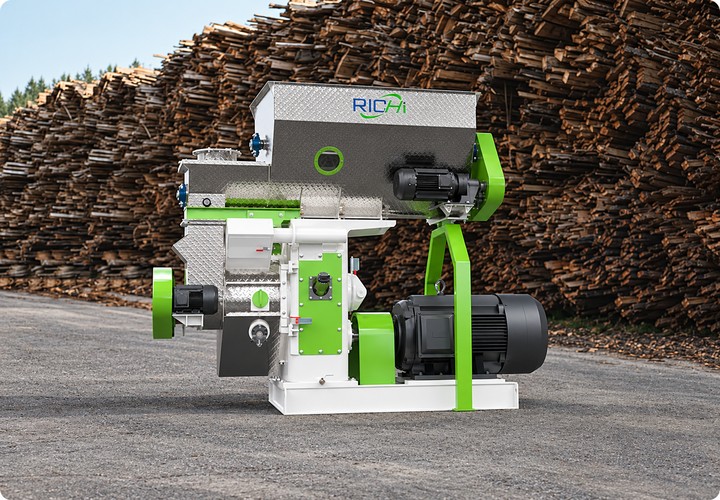
Biomass Pellet Making Machine
Designed specifically for biomass fuel pellet production; suitable for pelletizing a wide range of biomass raw materials, including wood, forage, husks, straw, and waste paper.
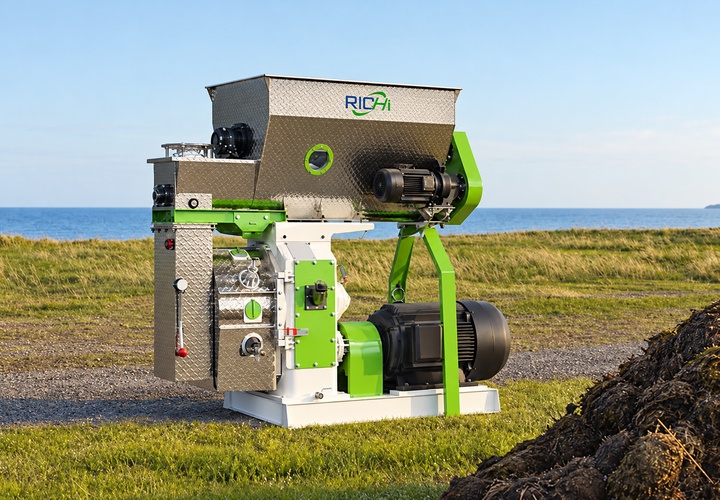
Organic Fertilizer Pellet Machine
Designed specifically for organic fertilizer pellet production; capable of processing various raw materials suitable for organic fertilizer, such as livestock and poultry manure, mushroom residue, sludge, and organic kitchen waste.
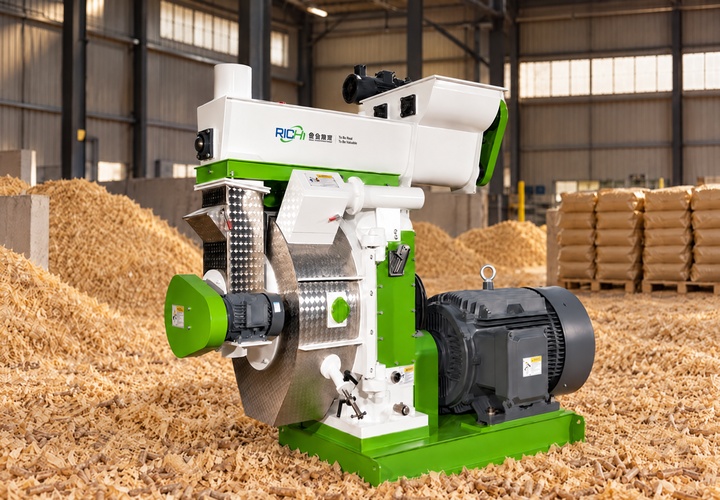
Animal Bedding Pellet Machine
Designed specifically for producing animal bedding; suitable for materials such as wood, paper, and minerals (e.g., bentonite), producing products for use as cat litter, stable bedding, and other pet bedding.
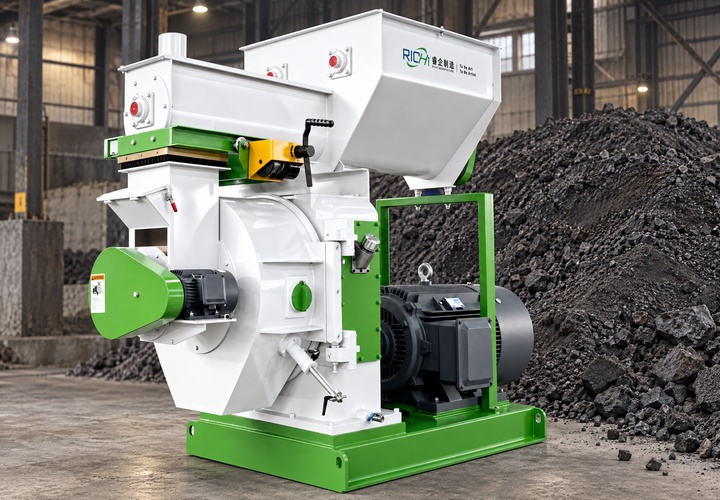
Special Material Pellet Machine
Designed for special materials and non-traditional pelletizing requirements; suitable for processing materials such as certain industrial wastes, coal slag, waste tires, and textile waste.
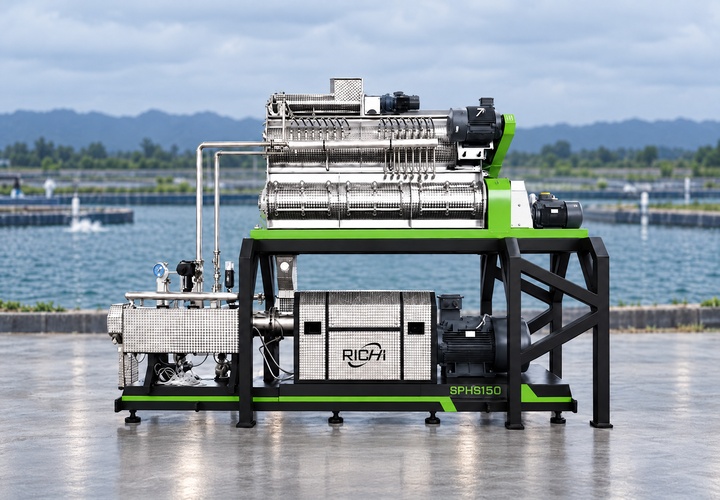
Extruder Machine
Suitable for the extrusion processing of pet food and aquatic feed; capable of producing pellets with various shapes, sizes, and structural characteristics based on product formulas, die designs, and process parameters to meet diverse product requirements.
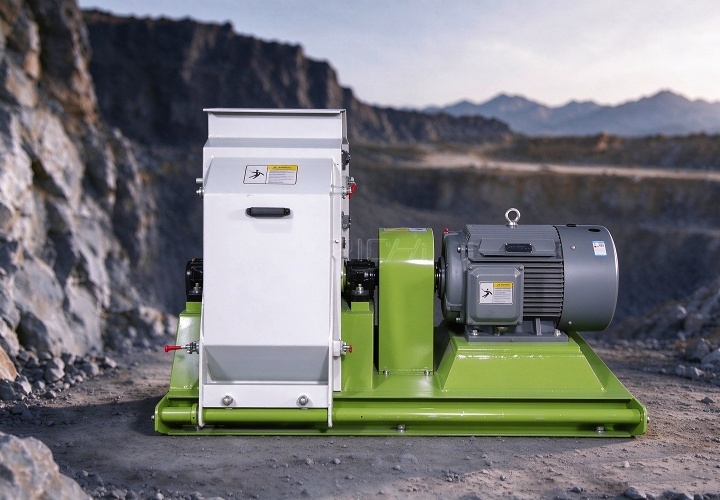
Crusher Machine
Equipment for raw material pretreatment; it pulverizes raw materials to the appropriate particle size based on their characteristics, ensuring stable feed conditions for subsequent mixing, conditioning, and granulation processes.
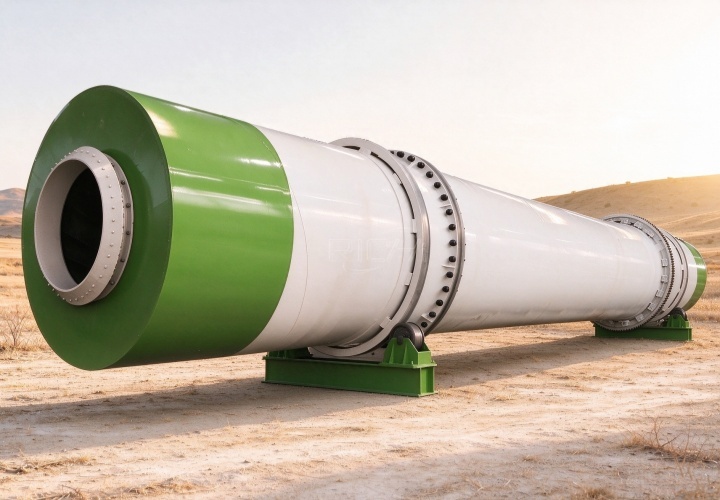
Dryer Machine
Equipment that regulates the moisture content of raw materials to meet downstream processing requirements. Proper moisture control helps improve granulation performance, final product quality, and storage stability.
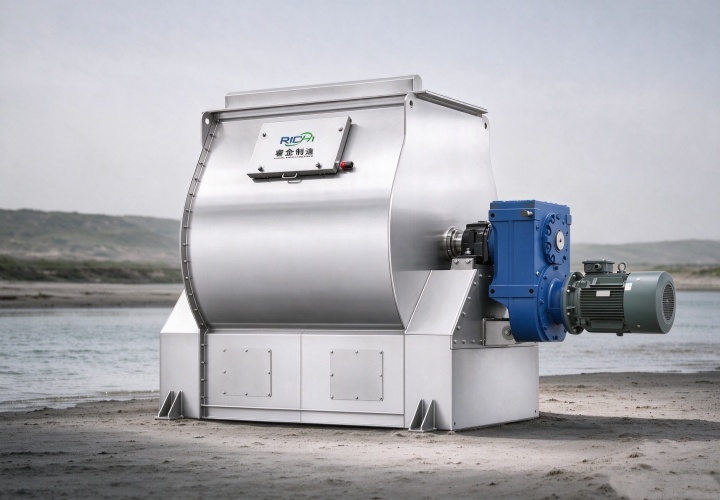
Mixer Machine
Used for the uniform mixing of various raw materials, ingredients, and additives; widely applied in production lines for animal feed, organic fertilizer, and other processes requiring ingredient blending.
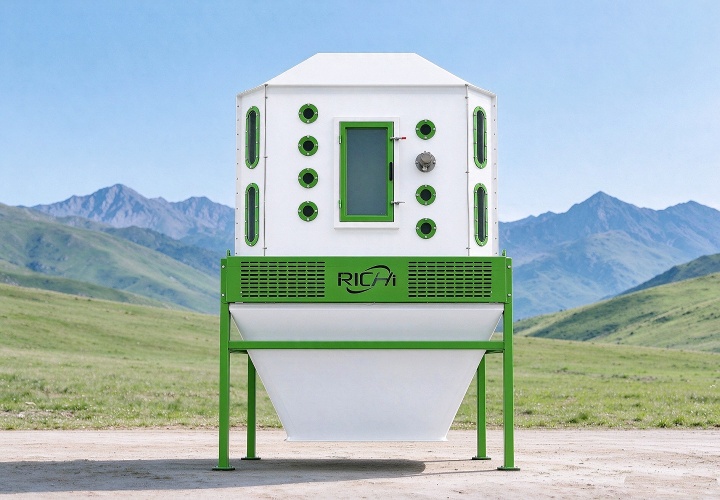
Cooler Machine
Equipment used to cool, stabilize, and dry freshly formed, high-temperature pellets, thereby preventing issues such as breakage and mold growth.
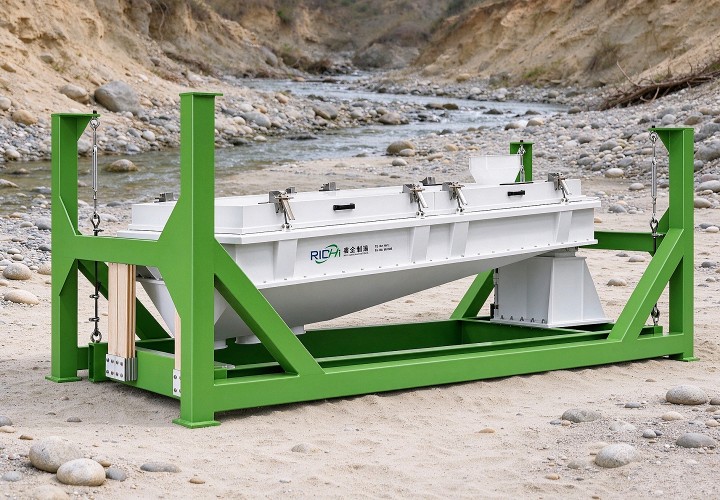
Screening Machine
It is used to separate impurities from raw materials or to grade and screen processed granules, thereby enhancing product quality and particle size consistency while effectively protecting the equipment.
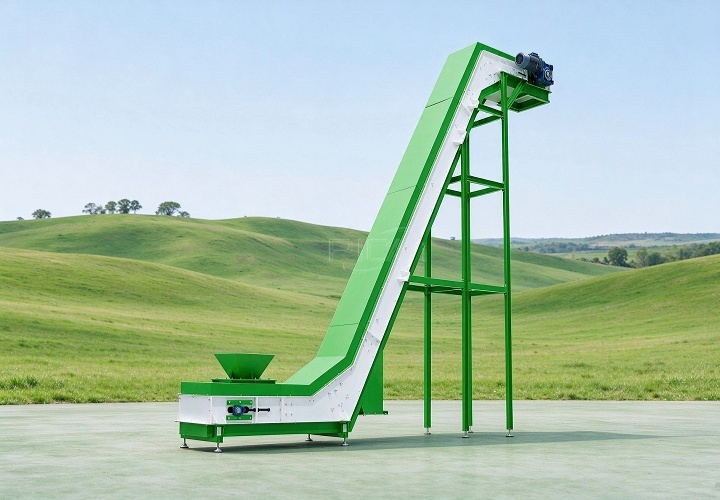
Auxiliary Equipment
In addition to the core processing machinery, this includes supporting equipment for conveying, storage, dosing, and cleaning; these can be configured systematically based on the production process, capacity requirements, and facility layout.
PELLET PRODUCTION LINE
We offer not only high-performance standalone equipment but also comprehensive project capabilities—spanning process design, equipment selection, and production line layout through to manufacturing, installation, commissioning, and operational startup.
Over the years, we have applied this expertise across diverse sectors, including animal feed, biomass fuel, organic fertilizer, animal bedding, and specialty materials. Whether you require a single pellet machine or a complete, modern production plant, RICHI delivers solutions precisely tailored to your specific materials and production goals.
Animal Feed pellet Plant
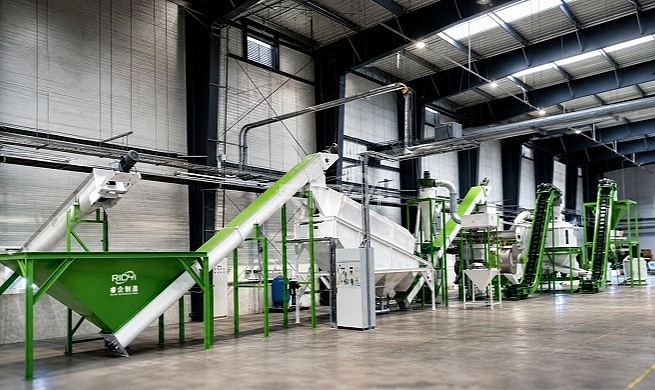
With deep expertise in feed production processes for livestock, poultry, and aquaculture, we can design and build complete production lines—spanning everything from crushing and mixing to pelleting, cooling, and packaging—tailored to raw material characteristics, formulation requirements, and production capacity targets.
Biomass Pellet Production Line
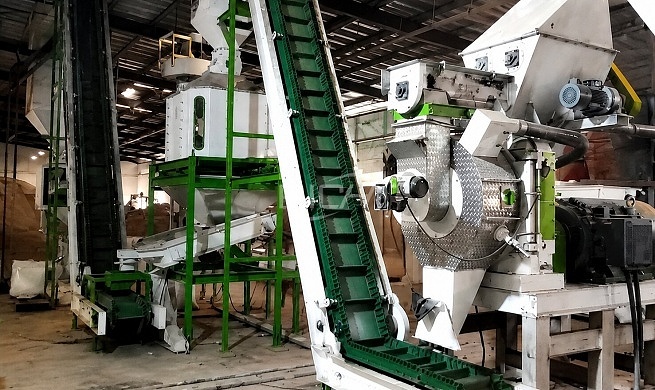
Designed for diverse biomass feedstocks—such as wood chips, straw, and various types of husks—our solutions prioritize feedstock compatibility and energy efficiency, offering comprehensive production lines that cover everything from pre-treatment and pelletizing to post-processing.
Organic Fertilizer Pellet Production Line
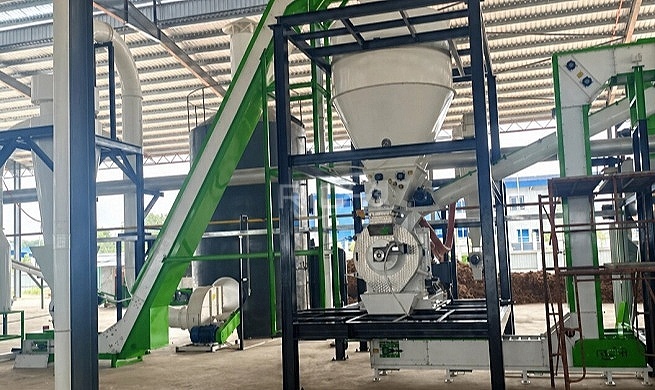
We transform organic resources—including livestock manure and agricultural waste—into high-value fertilizer products. Through targeted process design, we ensure the seamless integration of resource processing, pellet formation, and large-scale production.
Animal Bedding Pellet Production Line
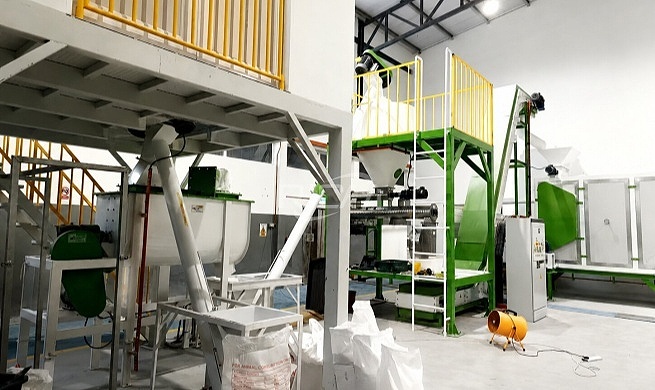
Leveraging the properties of fibrous materials (such as wood chips and straw) and additives like bentonite, we create production lines for animal bedding pellets using specialized processes for grinding, drying, pelletizing, and post-processing.
Special Material Pellet Production Line
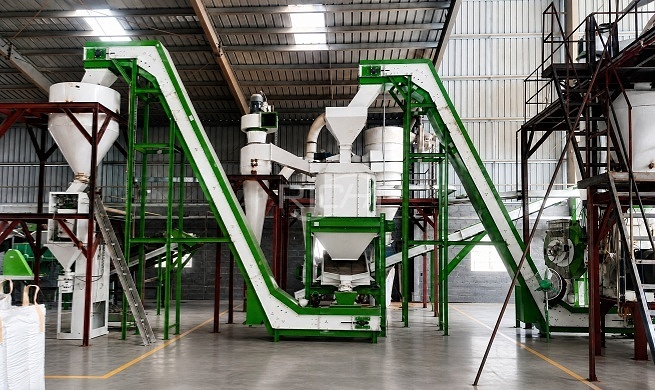
To address unique raw materials, specialized processes, and non-standard production requirements, we go beyond standard equipment configurations. Instead, we design truly tailored production lines for our clients based on specific material characteristics and final product requirements.
GLOBAL CASES
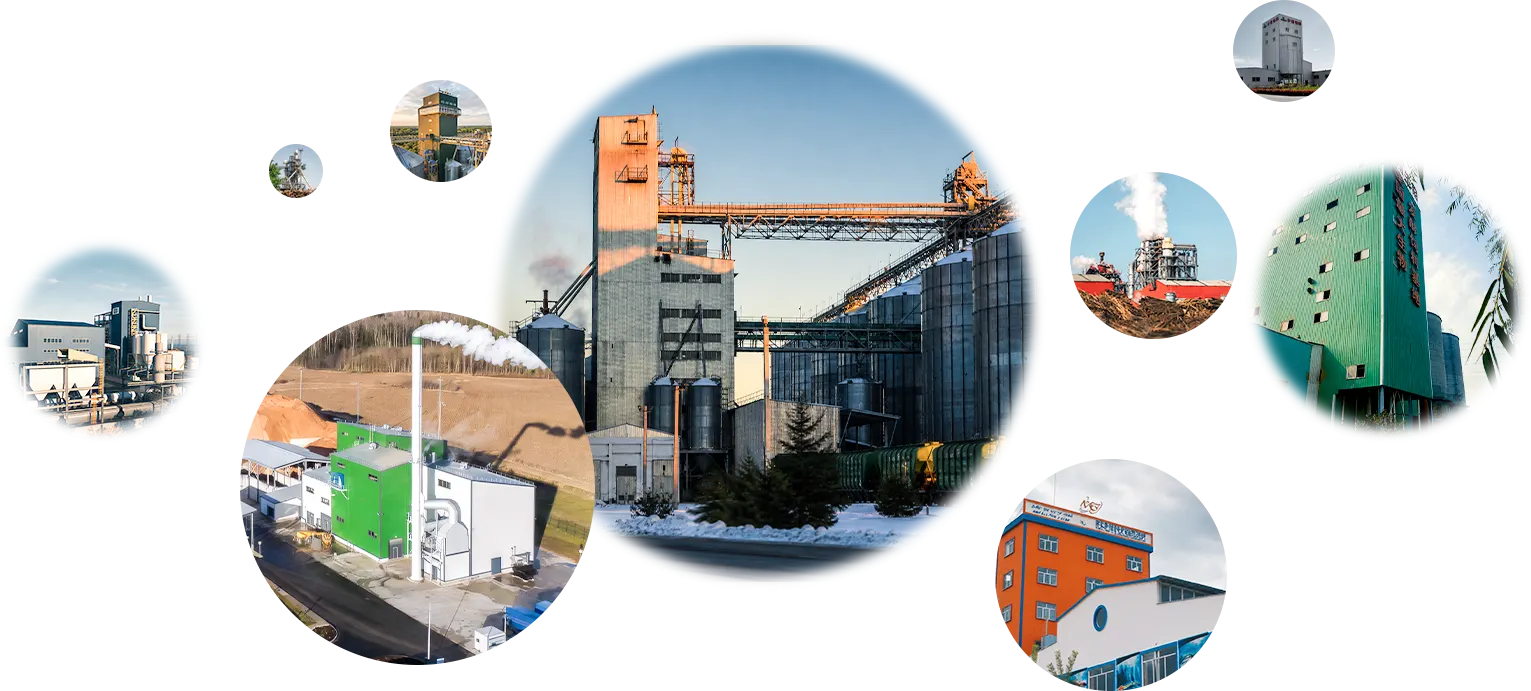
Spanning over 140 countries and regions with more than 2,000 projects.
From animal feed and biomass fuel to organic fertilizer, animal bedding, and specialty materials, we have applied our customized granulation technology and full-line engineering capabilities to diverse markets worldwide. Regardless of the raw materials, capacity requirements, or production conditions, we deliver production systems—from process design to complete line handover—that are precisely tailored to your needs.
Numbers document our global footprint, while our projects demonstrate our engineering excellence.
CUSTOMER REVIEWS
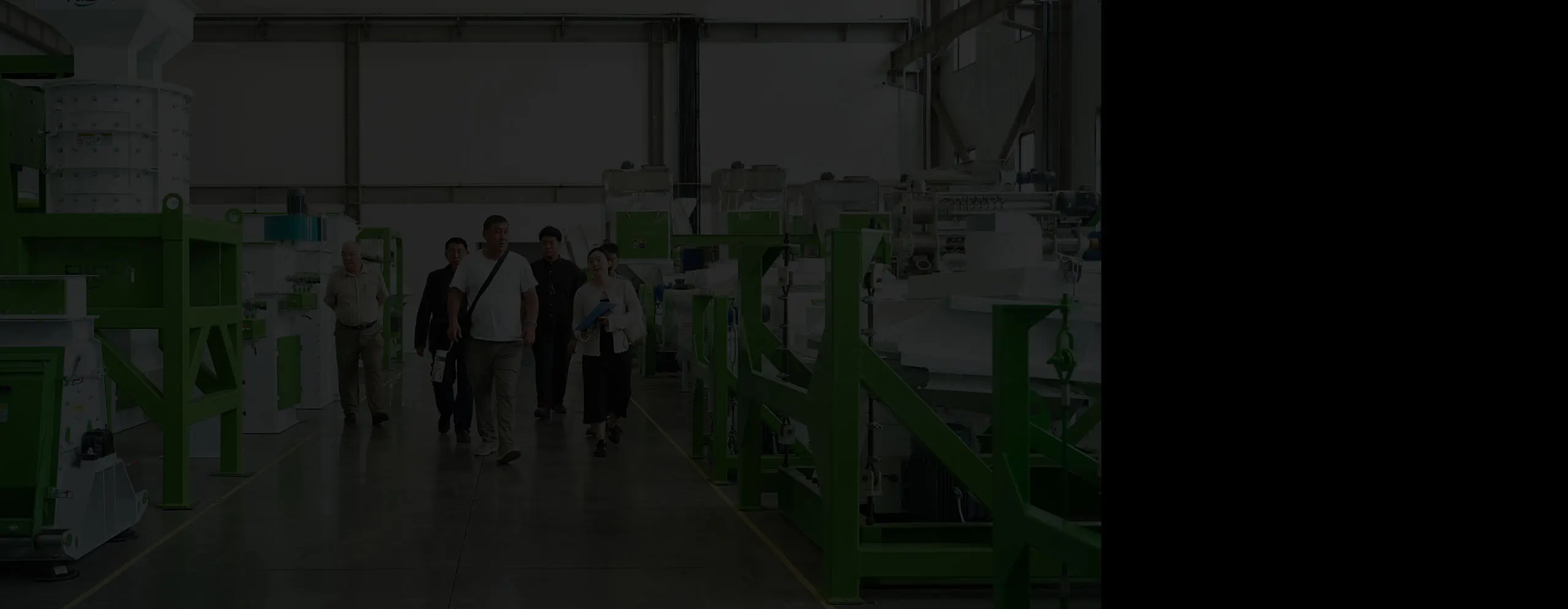
The value of a product is ultimately defined by those who use it. The following real-world feedback from over 2,000 projects serves as the most direct validation of our equipment and engineering capabilities. We focus not only on the delivery of equipment but, more importantly, on the long-term value we create for our customers after delivery.
QUESTIONS
What are the production capacities of the different pellet machines?
The actual capacity of a pellet machine depends on factors such as raw material type, moisture content, particle size, formulation, pellet diameter, die specifications, and equipment model. Broadly speaking, our capacity ranges are approximately 1–40 t/h for feed pellet machines, 0.2–4 t/h for biomass pellet machines, 0.5–8 t/h for straw and forage pellet machines, 1–40 t/h for animal bedding pellet machines, and 1–26 t/h for organic fertilizer pellet machines; however, the specific capacity must be determined based on the characteristics of the raw materials. We will select the appropriate pellet machine model based on your raw materials and target output, and coordinate upstream and downstream processes—such as crushing, drying, mixing, and cooling—to ensure the entire system achieves the expected production capacity.
How do I choose the right pellet machine based on my raw materials?
Different raw materials vary in moisture content, fiber content, density, particle size, and finished product requirements; consequently, the pellet machine model and process configuration will differ. You do not need to worry about how to choose the most suitable pellet machine; we will recommend the appropriate pelletizing equipment and supporting processes based on your raw material type and characteristics, target capacity, pellet size, and end-use requirements.
Can I purchase just a pellet machine, or must I buy an entire production line?
You can do either. We offer both standalone equipment and complete pellet production lines. If your raw materials already meet pelletizing requirements, or if your existing facility is already equipped with machinery for grinding, drying, mixing, and cooling, you can configure a pellet mchine individually based on your actual needs. For new projects where you lack other supporting equipment, we recommend installing a complete production line to ensure maximum equipment utilization. We can provide comprehensive project delivery solutions to help you achieve the best return on investment.
What is the difference between a pellet machine and an extruder?
Both pellet machines and extruders can be used to produce pelletized products, but they differ in terms of suitable raw materials, processing techniques, and the characteristics of the final product. Our ring die pellet machines are primarily used to produce pellets for livestock and poultry feed, aquaculture feed, biomass fuel, organic fertilizer, and animal bedding. Extruders, on the other hand, are mainly used for pet food and certain types of aquaculture feed, enabling the production of pellets with various shapes, densities, and structural characteristics through the extrusion process.
What auxiliary equipment is required for the pellet mill?
Auxiliary equipment is typically required upstream and downstream of the pellet machine for pre- and post-processing—such as crushers, dryers, mixers, coolers, screeners, conveyors, storage systems, and packaging equipment. However, not every project requires the full suite of equipment; configurations must be tailored to each production line based on raw material characteristics, the production process, target capacity, and existing equipment. As professionals, we provide optimal equipment and production line configurations to help you achieve maximum returns on your investment.
What factors affect the quality of the pellet products?
Pellet quality is influenced by a range of factors, including raw material characteristics, moisture content, particle size, formulation, conditioning conditions, pelleting pressure, die specifications, and the cooling and screening processes. Consequently, producing high-quality pellets requires more than just selecting a high-performance pellet machine; it demands a well-coordinated, integrated process system. Drawing on our extensive project experience, we ensure that pellets produced using our equipment are of superior quality and consistent in their characteristics.

