

Paper Pellet Making Machine
Our paper pellet making machine is designed for reliable compression, stable output, and low operating costs. It efficiently converts waste paper, cardboard, and packaging scraps into uniform biomass fuel pellets or absorbent bedding pellets. With this machine, you can improve recycling efficiency, reduce waste disposal costs, and generate sustainable energy—all from one versatile system.
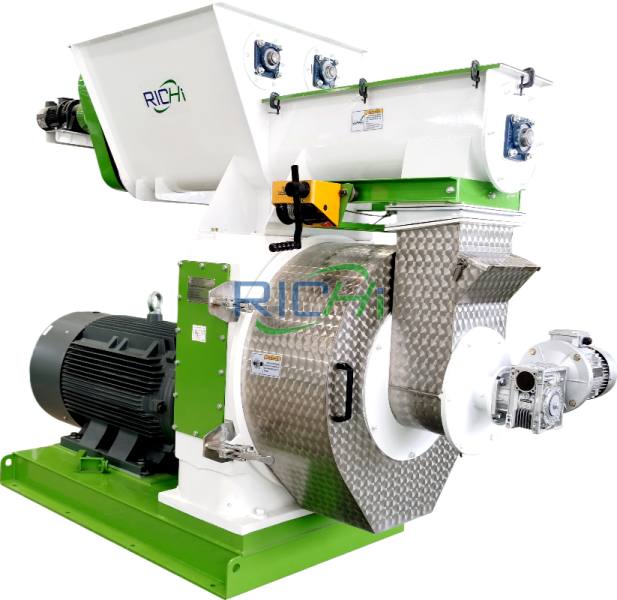
What Is The Paper Pellet Making Machine?
A paper pellet making machine is a specialized type of biomass pellet making machine designed to convert waste paper materials into dense fuel pellets or absorbent bedding pellets. It can handle a wide variety of paper-based residues, including newspapers, cardboard, office paper, kraft paper, carton scraps, packaging leftovers, and mixed paper fibers from recycling facilities.
During pelletization, the prepared paper material is continuously pressed through a ring die by rotating rollers. The combination of high pressure and friction softens and binds the fibers, forming tight, uniform cylindrical pellets.
Paper waste contains high cellulose content and relatively low ash, resulting in pellets with stable combustion, fast ignition, and strong energy output. These characteristics make them suitable for home heating, industrial boilers, biomass furnaces, alternative fuel applications, and absorbent bedding purposes. Compared with traditional biomass raw materials like wood chips, straw, or rice husk, paper waste is easier to compress and often cheaper or even free to obtain.
For recycling companies, biomass pellet producers, and biomass energy projects, a paper pellet making machine provides a cost-effective solution to turn abundant waste into profitable renewable fuel or useful bedding material. Consequently, it not only reduces waste disposal pressure but also supports sustainable production and ensures compliance with environmental standards.

Working Video Of Paper Pellet Machine
Through the following videos, you can clearly see how the paper pellet making machine performs in real operation. The complete process—from raw material handling to pellet formation—is visually presented. The videos demonstrate not only the machine’s operating flow and pelletizing results but also its overall efficiency, stability, and ability to run continuously. Whether you want to understand how paper pellets are produced or evaluate the machine’s real performance in a project setting, these videos offer direct, reliable, and highly valuable firsthand references.
Different Models & Specifications With Paper Pellet Making Machine
Different models of the paper pellet maker from RICHI Machinery are designed to meet various production requirements, ranging from small-scale recycling workshops to large commercial pellet plants. Each model differs in capacity, ring die size, power configuration, and feeding structure, allowing customers to select the most suitable solution according to their raw materials, output targets, and local energy conditions. Understanding these specifications helps users accurately compare performance, optimize investment, and ensure efficient and stable pellet production.
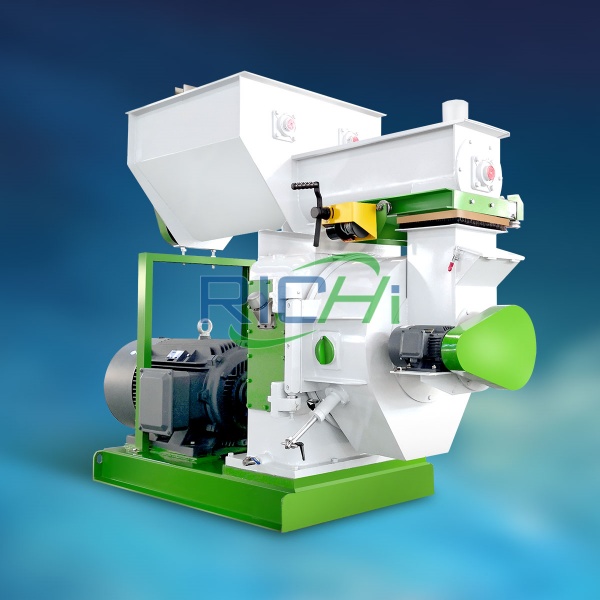
MZLH320 Small Paper Pellet Making Machine
- Main motor power (kW): 22
- Arch-breaking feeder power (kW): 2.2
- Forced feeder power (kW): 0.75
- Ring die inner diameter (mm): 320
- Output (T/H): 0.2-0.3

MZLH350 Paper Pellet Maker
- Main motor power (kW): 37
- Arch-breaking feeder power (kW): 2.2
- Forced feeder power (kW): 0.75
- Ring die inner diameter (mm): 350
- Output (T/H): 0.3-0.5

MZLH420 Paper Pellet Machine
- Main motor power (kW): 90
- Arch-breaking feeder power (kW): 3
- Forced feeder power (kW): 1.5
- Ring die inner diameter (mm): 420
- Output (T/H): 1-1.2
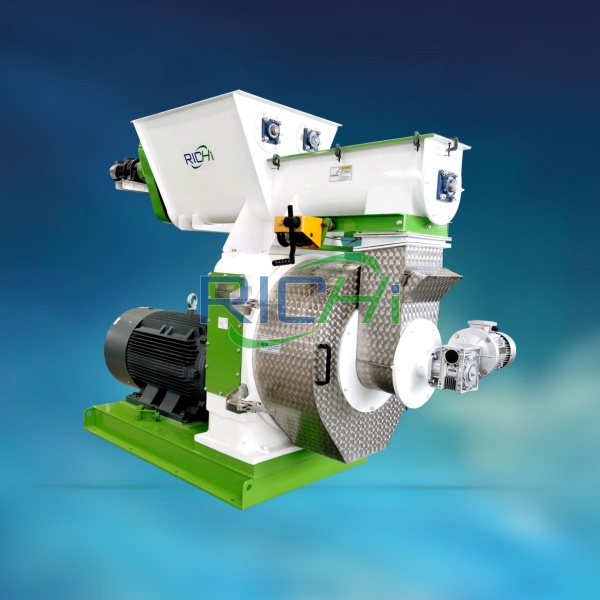
MZLH520 Paper Pellet Making Mill
- Main motor power (kW): 132
- Arch-breaking feeder power (kW): 3
- Forced feeder power (kW): 1.5
- Ring die inner diameter (mm): 520
- Output (T/H): 1.5-2

MZLH678 Paper Pellet Press
- Main motor power (kW): 185
- Arch-breaking feeder power (kW): 3
- Forced feeder power (kW): 1.5
- Ring die inner diameter (mm): 673
- Output (T/H): 2.5-3
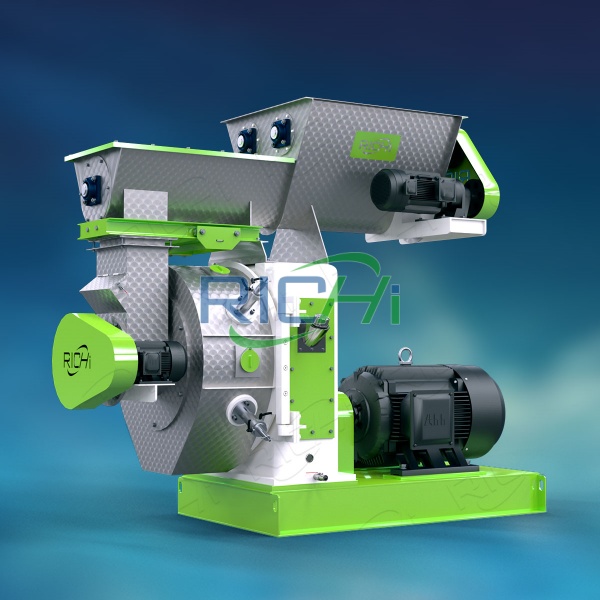
MZLH768 Industrial Paper Pellet Making Machine
- Main motor power (kW): 250
- Arch-breaking feeder power (kW): 4
- Forced feeder power (kW): 1.5
- Ring die inner diameter (mm): 762
- Output (T/H): 3-4

Key Technical Characteristics Of Paper Pellet Making Machine
A paper pellet making machine combines its structural components and technical features to deliver stable, efficient pelletizing performance. As a ring die system, it relies on the coordinated operation of the pelletizing chamber, ring die, rollers, main shaft, and transmission unit to provide consistent pressure and reliable shaping. Its technical characteristics—such as uniform compression, steady pellet density, and efficient power use—ensure long-term durability and stable output. Understanding how these elements work together helps users evaluate overall performance and choose the machine that best fits their production needs.


Designed for Multiple Types of Waste Paper Materials

This paper pellet making machine is specifically engineered to handle a wide range of paper-based raw materials. In addition, its optimized pelletizing chamber ensures smooth fiber compression, regardless of material thickness or softness, providing consistent and high-quality pellet output.
High-Quality Components for Stable and Quiet Operation

The machine is built with carefully selected high-grade components, ensuring reliable working performance, reduced vibration, and lower noise levels during continuous pelletizing. This design minimizes mechanical fatigue and enhances long-term stability.
Premium Transmission System with SKF Bearings

All transmission parts, including the main driving system and motor connection points, use high-quality SKF bearings. This greatly improves transmission efficiency and reduces overall friction, resulting in smoother operation and longer equipment lifespan. The main motor is equipped with Siemens for strong and consistent power output.
Stainless Steel Feeding and Forced Feeding Structure

The machine features a complete single-layer stainless-steel feeder combined with a forced feeding mechanism. This configuration keeps material feeding stable and prevents blockages, ensuring continuous, uniform feeding into the ring die for better pellet formation.
Precision-Engineered Ring Die and Cutter System
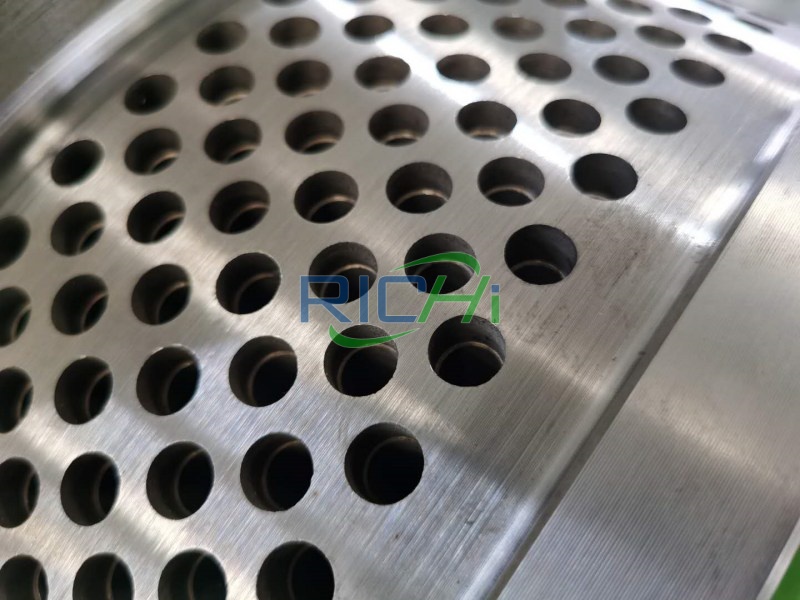
RICHI produces the ring die using advanced processes, including German gun-drilling technology and vacuum heat treatment, which ensures precise die holes, excellent hardness, and high-quality pellet output. The cutter system provides clean cutting and consistent pellet length, resulting in smooth and uniform final pellets.
Advanced Gear-Driven System for Reliable Power Transfer

A heavy-duty gear-driven system ensures efficient power transmission from the motor to the main shaft. This structure offers higher torque conversion, improved stability, and better efficiency compared to belt-driven systems, making the machine suitable for long periods of high-load operation.
Global Cases Of RICHI Paper Pellet Making Machine
With over 30 years of industry experience, RICHI Machinery has successfully delivered paper pellet making machines and related biomass pellet equipment products to more than 140 countries and regions. Customers widely use our solutions in recycling facilities, biomass fuel plants, and environmental protection projects. These solutions help them convert various waste paper materials—including cartons, office paper, magazines, books, and mixed paper waste—into high-quality fuel pellets. RICHI design each project individually based on raw material characteristics, local energy conditions, and required capacity. The global cases below showcase how RICHI equipment supports users in improving resource utilization, reducing waste handling costs, and establishing efficient, stable, and sustainable pellet production systems.

Paper Pellet Making Machine For Sale India
- Production Capacity: 1T/H
- Project Country: India
- Raw Material: The customer processes a mixed waste stream consisting of corrugated cardboard, office waste paper, sugarcane bagasse residues, and small wood fragments from local recycling facilities.
- Project Background: Due to the rising demand for biomass fuel in several regions of India, the client sought to convert abundant paper waste and agricultural residues into affordable pellets for small industrial boilers. Therefore, their goal was not only to reduce waste disposal costs but also to establish a low-investment, easy-to-operate pellet production unit.
- Client Feedback: The customer reported stable output and smooth pellet formation, even with mixed raw materials. They highlighted the low power consumption and steady performance of the machine, noting that the project helped them expand into the local biomass fuel market successfully.

Paper Pellet Production Line In Poland
- Production Capacity: 1.5-2T/H
- Project Country: Poland
- Raw Material: Recycled paper, corrugated cardboard, and a small portion of wood shavings to improve absorption and deodorizing performance.
- Project Background: The client is a Polish pet product manufacturer expanding its product line to eco-friendly paper cat litter due to increasing domestic demand. They required a stable 1.5–2T/H cat litter production line capable of handling light-density mixed materials and ensuring consistent pellet hardness for commercial packaging. Additionally, the customer emphasized energy efficiency and low operating costs due to strict local environmental standards.
- Client Feedback: The paper cat litter pellet machine produces clean, uniform cat litter pellets with excellent absorption. It handles mixed paper materials smoothly, and the final pellets meet their packaging and retail requirements.

Paper Pellet Making Plant For Sale Indonesia
- Production Capacity: 2-3T/H
- Project Country: Indonesia
- Raw Material: The client uses a blend of carton scraps, mixed waste paper, coconut husk fiber, and light wood residues.
- Project Background: Located in a biomass-rich region, the client wanted to upgrade from manual processing to a fully mechanized pellet line to meet local industrial fuel demand. They needed stable output, high durability, and the ability to handle mixed tropical materials with varying fiber properties. This 2–3T/H biomass pellet line in Indonesia offered the best balance between investment and productivity.
- Client Feedback: The client noted that the pellet machine handled mixed tropical biomass smoothly and produced dense, clean pellets. They also appreciated the automated control system and low maintenance requirements, which significantly reduced labor intensity.

Paper Pellet Making Machine For Sale South Africa
- Production Capacity: 2.5T/H
- Project Country: South Africa
- Raw Material: The line processes newspaper waste, cardboard, maize stalks, and small wood chips, common in South African recycling and farming operations.
- Project Background: The client wanted to turn local paper waste and crop residues into solid fuel for community heating and small industrial boilers. Due to irregular raw material supply, they required a machine capable of stable operation with mixed, sometimes coarse materials. The biomass pellet making plant ensures sufficient output while keeping operating costs manageable.
- Client Feedback: The customer highlighted improved fuel efficiency and reduced waste disposal costs after adopting the pelletizing system. They were satisfied with the machine’s reliability and its ability to handle coarse agricultural residues without clogging.
How To Produce Paper Pellets?
Producing high-quality paper pellets involves a systematic process that transforms waste paper materials into dense, uniform fuel pellets or absorbent bedding pellets. Each stage of production affects the efficiency, pellet quality, and overall stability of the operation. Understanding the full production workflow helps users optimize machine performance, reduce energy consumption, and ensure consistent results in both fuel and bedding applications.

Raw Material Collection and Preparation
01
Collect waste cartons, newspapers, notebooks, magazines, and other paper materials, then remove plastics, metals, and other impurities to ensure clean and stable processing.
Crushing Section
02
The sorted paper is reduced into uniform flakes through a shredder, ensuring smooth feeding and consistent pelletizing performance.
Moisture Adjustment
03
Before pelletizing, the material should be kept within a moisture range of 12–18%. Depending on the condition of the paper, this section may apply drying or light moisture addition to reach this optimal level.
Pelletizing Section
04
The prepared material is fed steadily into the paper pellet making machine, where it is conditioned and then compressed by rollers through the ring die. The formed pellets are cut to uniform length at the discharge point.
Cooling and Screening
05
Fresh pellets are transferred to a dedicated cooler, where airflow reduces temperature and enhances hardness for easier storage and transport. The cooled pellets are screened to remove powder and fines. Qualified pellets proceed to packaging, while undersized material is returned for reprocessing.
Packing Section
06
Finished pellets are bagged or stored in bulk silos to keep them dry and ready for use as biomass fuel.
Other Paper Pellet Making Equipment In The Production Line
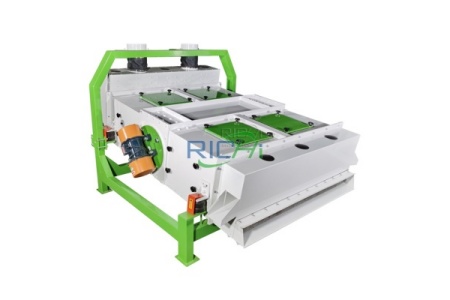
A complete paper biomass pellet production line requires more than just a paper pellet making machine. To ensure stable quality, high efficiency, and continuous operation, several supporting machines work together to handle raw material preparation, moisture control, conveying, cooling, and final packaging. These auxiliary devices help optimize production flow, improve pellet consistency, and reduce manual labor, making the entire process smoother and more reliable.
Crusher

Hammer Mill

Dryer Machine



Why Choose Our Paper Pellet Making Machine
With over 30 years of manufacturing experience, RICHI Machinery has become a trusted supplier in the global biomass pellet industry. RICHI paper pellet makers to efficiently transform waste paper, cardboard, office scraps, and packaging residues into high-density fuel pellets or bedding materials.
Superior Manufacturing & Guaranteed Quality

RICHI Machinery produces paper pellet machines that meet international certification standards, including ISO and CE certifications. We precision-engineer each unit and implement strict quality control to ensure stable operation, even under continuous heavy-duty use. Moreover, we design the machines for long-term performance, minimal downtime, and low maintenance, giving clients peace of mind and reliable production.
Optimized Design For Paper Pelletizing

Our paper pellet making machines feature an optimized structure with reinforced rollers, adjustable ring dies, and high-strength gear transmission systems. This design ensures efficient compression of paper materials into uniform, high-density pellets with smooth surfaces and minimal fines. The machines are easy to operate and maintain, suitable for a variety of production scales.
Rich Industry Experience And Trusted Reputation

RICHI Machinery has successfully delivered pellet production projects in more than 140 countries. Moreover, whether it is a medium-to-large farm or a factory of any size, our engineering team provides comprehensive project planning, professional installation, commissioning, and reliable after-sales support. RICHI Machinery turnkey service delivers more than just equipment; it provides customers with a comprehensive, efficient, and profitable pellet production solution.
FAQ
The FAQ section is designed to provide users with a better understanding of our paper pellet making machines. It highlights the key aspects of the equipment and addresses general concerns that users may have when considering or operating the machines. By consulting this section, users can gain a clearer overview of the capabilities, features, and reliability of the machines, making it easier to evaluate their suitability for different production needs.
Can the machine handle mixed waste paper, such as cardboard with newspaper?
+
Yes, it can. The paper pellet making machine is designed to handle a wide range of mixed waste paper materials. Cardboard, newspaper, magazines, office paper, books, and other paper scraps can be fed together without affecting pelletizing quality. The machine’s compression and fiber-forming structure allows different paper densities and fiber lengths to blend naturally during pelletizing. As long as the materials are clean and free of large non-paper impurities (such as metal, plastic, or stones), the machine can produce stable, uniform pellets from mixed sources.
How do I control the moisture content of the paper before pelletizing?
+
Proper moisture control is essential for producing strong, well-shaped paper pellets. Generally, the ideal moisture content for waste paper pelletizing is 12%–18%. If the paper is too dry, it may cause weak bonding and excessive powder; if it is too wet, it may lead to clogging, unstable pelletizing, or reduced output.
To manage moisture effectively, users can:
- For overly wet materials: allow natural air-drying, sun-drying, or use drying equipment to reduce moisture.
- For overly dry materials: mix slightly wetter paper materials or spray a small amount of clean water to increase moisture evenly.
Maintaining the right moisture level ensures smoother pelletizing, better density, and improved durability of the final pellets.
Can the paper pellet making machine process other raw materials besides waste paper?
+
Yes, this pellet machine is suitable for a wide range of soft, fiber-based biomass materials, not just waste paper. In addition, its pelletizing structure allows various light-density materials, such as newspapers, magazines, cartons, office paper, paper packaging scraps, sawdust, shavings, straw powder, and rice husk powder, to be smoothly compressed into uniform pellets. Furthermore, these materials can be mixed according to production needs, and the machine will still maintain stable pelletizing performance.
For harder or larger materials, such as long straw pieces, wood chips, bamboo chips, or oversized scraps, pre-crushing is required to reduce particle size before pelletizing. This ensures smooth feeding, protects the pelletizing chamber, and improves pellet quality.
How can I choose the right paper pellet making machine for my production needs?
+
Choosing the right pellet making machine for paper depends on several practical factors, including your required output, raw material condition, budget, and local energy setup.
- First of all, determine the hourly capacity you need—whether it is for small recycling workshops or larger commercial pellet operations. In addition, machines with bigger ring dies and stronger motors are better suited for high-volume, continuous production, while smaller models are ideal for low-investment or flexible production scenarios.
- Moreover, selecting the appropriate equipment requires evaluating the type and moisture level of your raw materials, since different paper scraps, such as cardboard, newspaper, mixed office waste, or packaging leftovers, can significantly influence pelletizing efficiency.
- Furthermore, your local voltage and power supply should match the machine’s motor configuration to ensure stable and reliable operation.
- Finally, if you have a clear investment budget, you can compare machine sizes, output ranges, and configuration options to achieve the best cost-to-performance ratio.
When in doubt, consulting the manufacturer for customized recommendations is the most reliable approach, especially for projects involving mixed materials or continuous operation.

