
CAT LITTER PELLET MACHINE

OUTSTANDING PERFORMANCE
The RICHI ring die cat litter pellet machine demonstrated advantages such as higher production capacity, greater stability, superior energy efficiency, and enhanced processing capabilities for various raw materials in actual production tests. It exhibits excellent performance in producing various types of cat litter, including tofu cat litter, bentonite cat litter, wood cat litter, and composite cat litter.
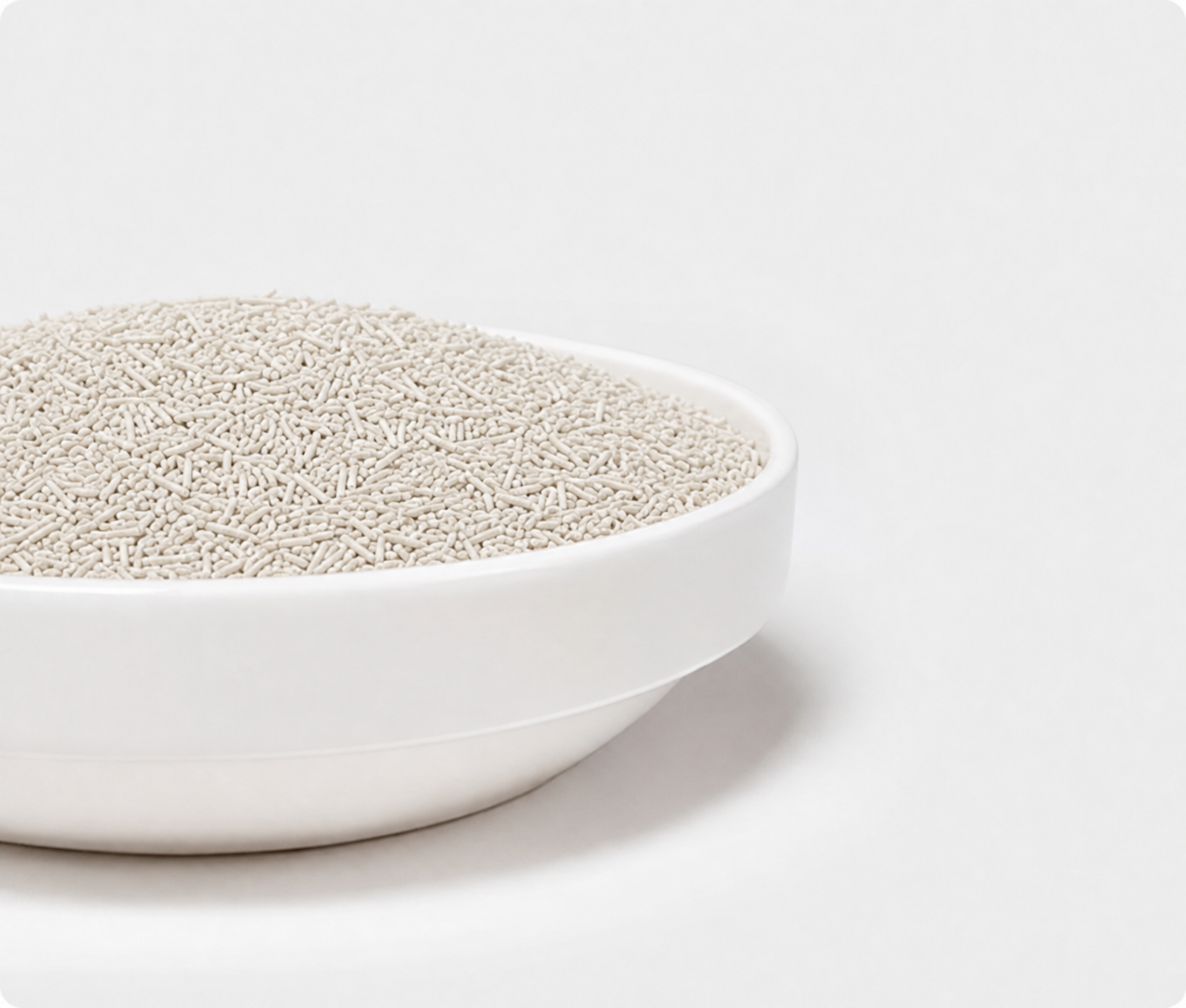

Tofu Residue

Wood

Waste Paper

Bentonite

Straw

Grass
RICHI
Raw Materials
Watch the video
Watch the video
Watch the video
RICHI
Video Of Cat Litter Pellet Machine
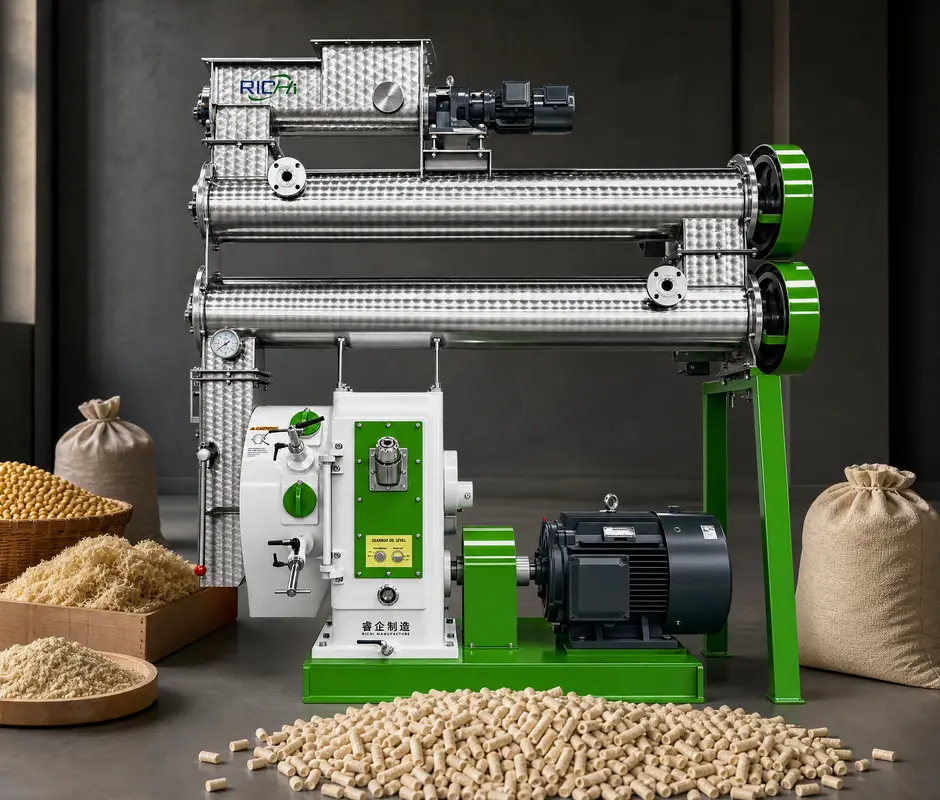
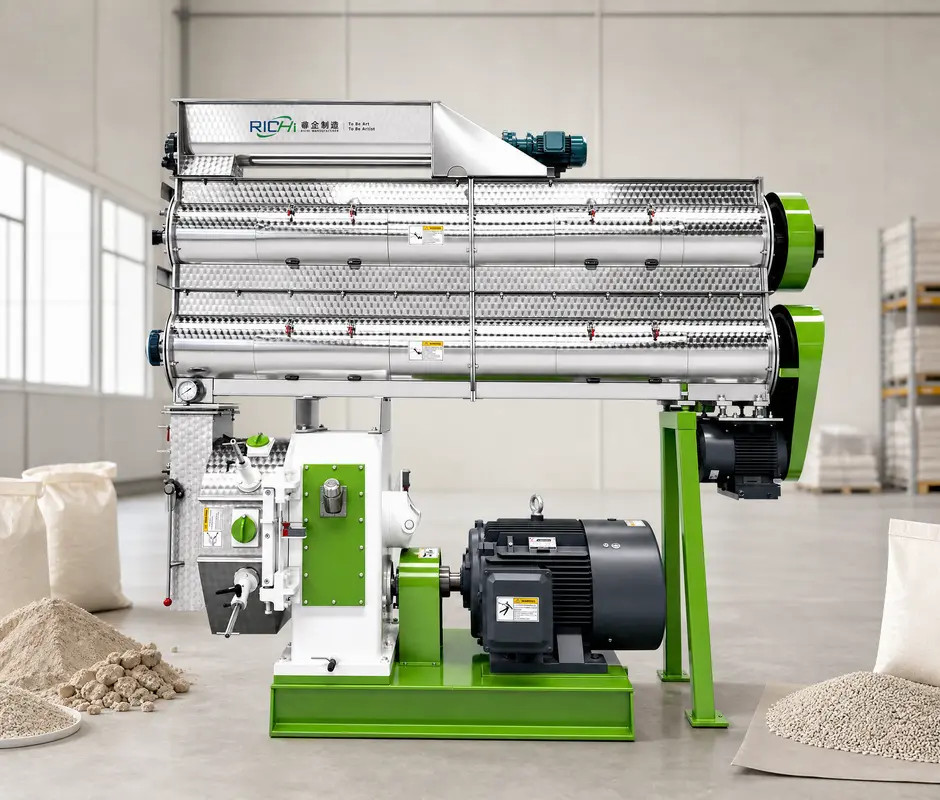
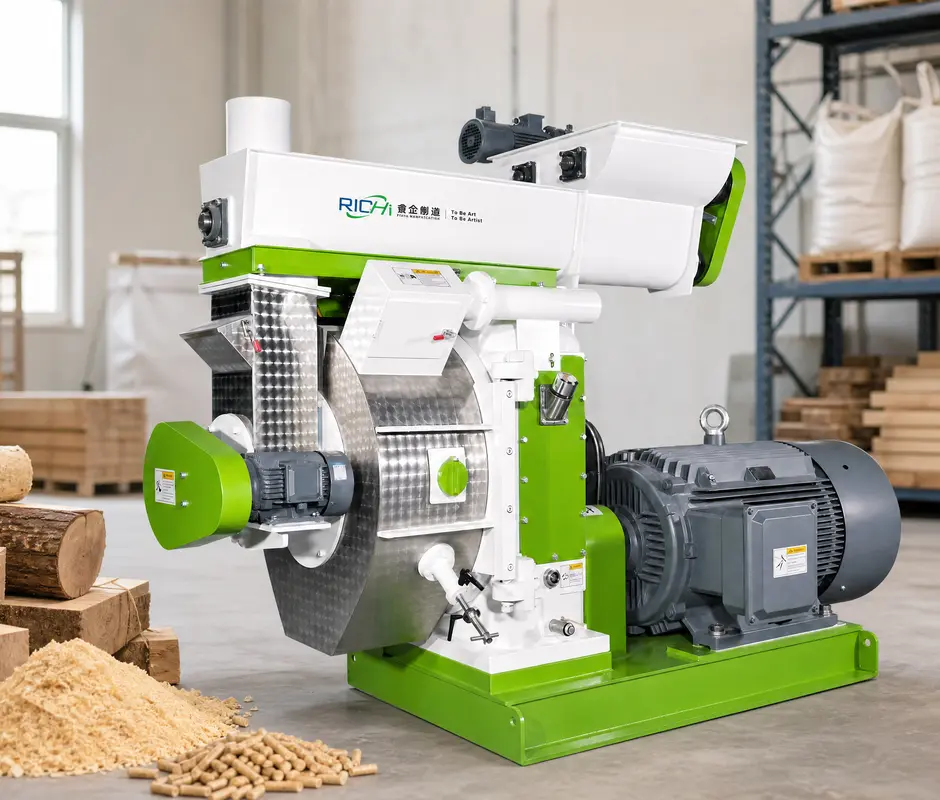
Tofu cat litter pellet machine
bentonite cat litter pellet machine
wood cat litter pellet machine
RICHI
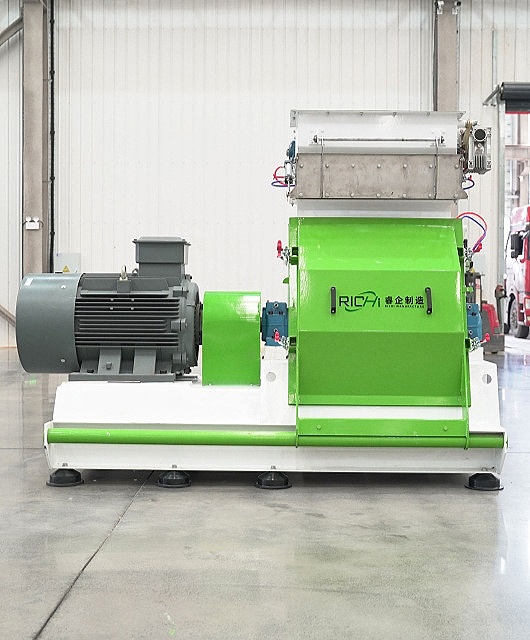
Equipment Display
GLOBAL PROJECT REFERENCE
Malaysia
500 kg/h tofu cat litter project
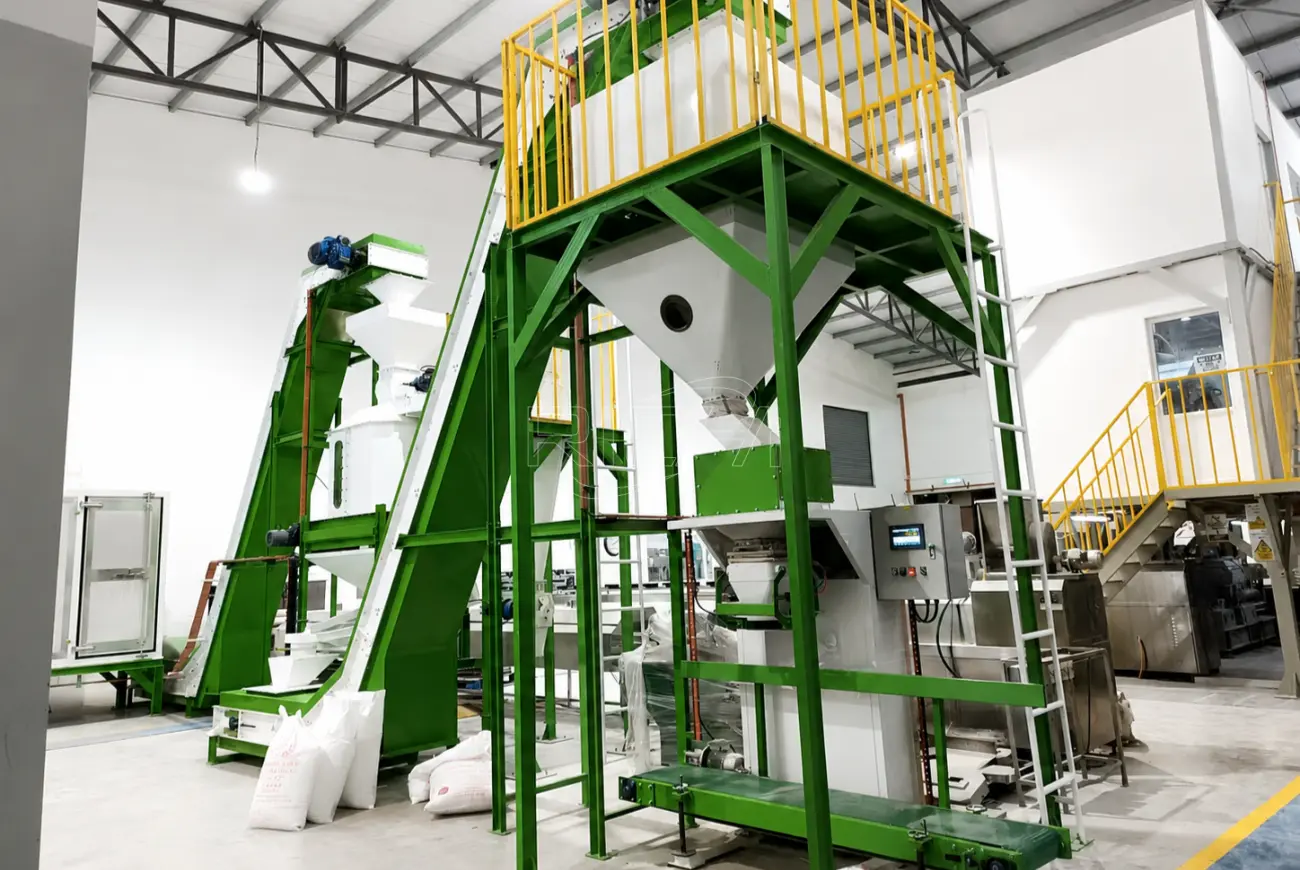
The client is a small pet litter processing plant in Malaysia. The main raw materials include soybean residue, starch, guar gum, and calcium carbonate, which are used to produce cat litter pellets in the size of 2-4mm.
Yemen
1-1.5T/H Bentonite Cat Litter Project
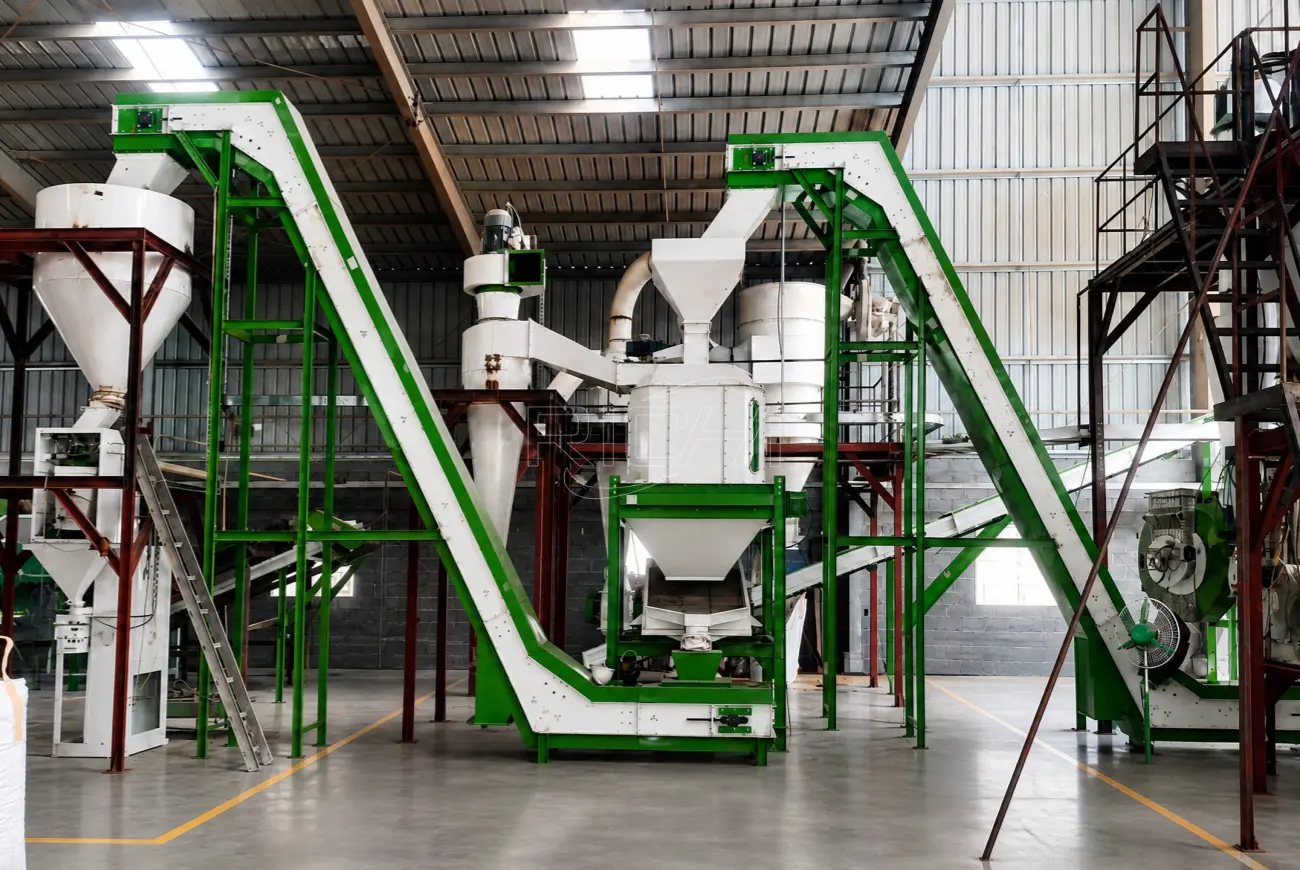
This is RICHI’s first cat litter production line in Yemen. The customer utilizes the abundant bentonite resources in the area to produce bentonite cat litter, which is of very high quality.
Russia
2-3T/H Pine Cat Litter Machine Project
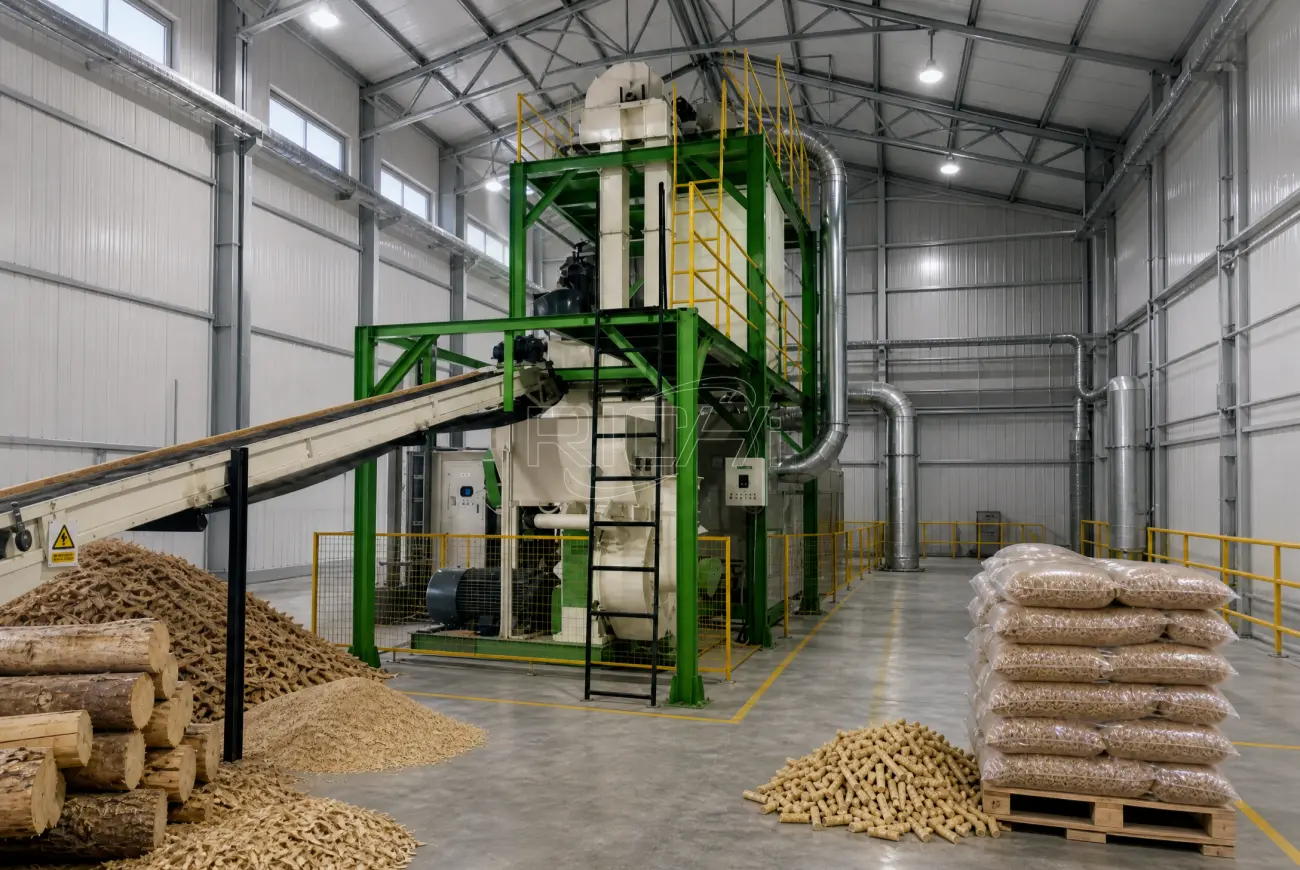
The client runs a timber business locally and has abundant timber resources. RICHI undertook a 5T/H wood pellet fuel project and a 2-3T/H pine cat litter project for him, at a total cost of US$650,000.
Bulgaria
3T/H Tofu Cat Litter Machine Project
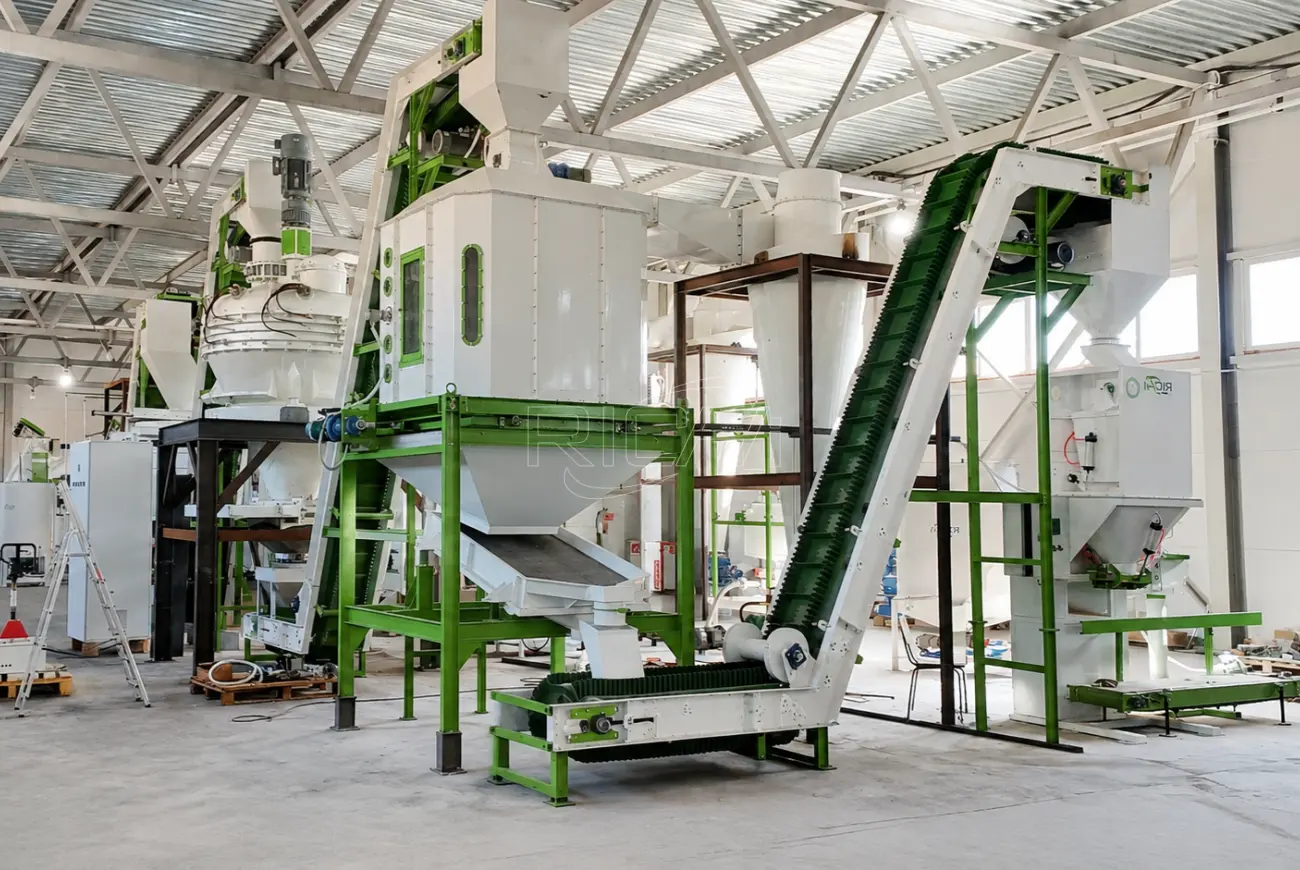
The client targets the plant-based environmentally friendly pet supplies market, using raw materials such as soybean by-products, plant fibers, and starch to produce cat litter with natural fragrances and colors.
Germany
5-6T/H Paper Cat Litter Project
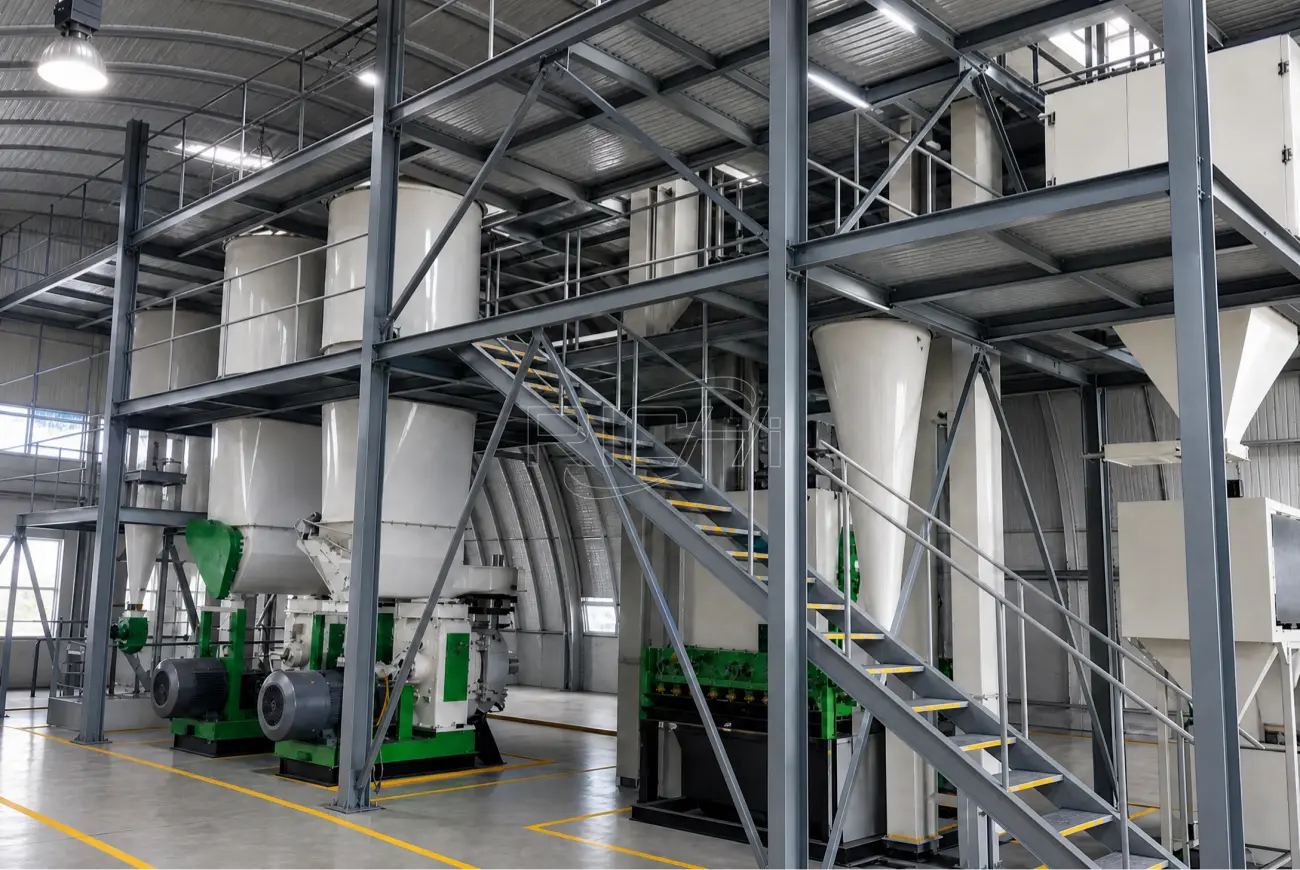
In this project, the customer already had a waste paper processing system. We added a granulation process to their system to produce paper cat litter. The system has been running stably for a year.
TECHNICAL PARAMETERS
| Model | MZLH320 | MZLH350 | MZLH420 | MZLH520 | MZLH768 | MZLH858 |
| Main Motor Power(kw) | 22KW 8P | 37KW 8P | 90KW 8P | 132KW 8P | 250KW 8P | 280KW 8P |
| Anti-caking Feeder Power | 1.5KW | 1.5KW | 1.5KW | 2.2KW | 3KW | 3KW |
| Forced Feeder Power | 0.55KW | 0.55KW | 0.55KW | 0.75KW | 1KW | 1KW |
| Capacity(Raw materials: Bentonite) | 3 T/H | 5 T/H | 8 T/H | 10 T/H | 25 T/H | 28 T/H |
| Capacity(Raw materials: Tofu cat litter) | 1.5 T/H | 2.5 T/H | 4 T/H | 5 T/H | 12.5 T/H | 14 T/H |
| Capacity(Raw materials: Waste paper) | 0.7 T/H | 1 T/H | 2 T/H | 3 T/H | 4 T/H | 5 T/H |
| Capacity(Raw materials: Sawdust) | 300-400 KG/H | 500-700 KG/H | 1-1.2 T/H | 2-2.5 T/H | 2.5-4 T/H | 3-4.5 T/H |
| Final Pellet Diameter | 1.5-12mm | 1.5-12mm | 1.5-12mm | 1.5-12mm | 1.5-12mm | 1.5-12mm |
| Weight | 2500KG | 3500KG | 4000KG | 4500KG | 5000KG | 5500KG |
| Dimension(mm) | 2200*900*1300 | 2500*1100 * 1600 | 2800*1150*1730 | 3000*1260*1860 | 3300*1500* 2000 | 3500*1600*2180 |
| Ring Die Diameter | 320mm | 350mm | 420mm | 520mm | 762mm | 858mm |
CORE COMPONENTS


At RICHI MANUFACTURE, equipment quality management is always the top priority, and product quality is guaranteed through multiple authoritative certifications such as ISO, CE, BV, and SGS, as well as stringent quality control processes.
For over 30 years, RICHI has continuously invested in the research and development and process optimization of pellet processing equipment, building a comprehensive technology R&D system and quality management system. Through independent technology accumulation, international standard certification, and rigorous production management, we ensure that every piece of equipment is characterized by stable performance, reliable quality, and strong adaptability to the global market.
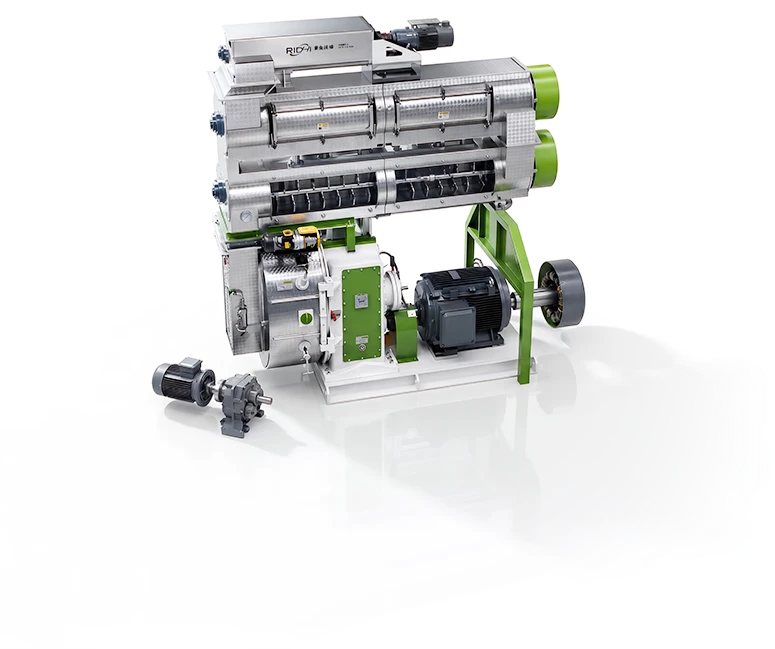
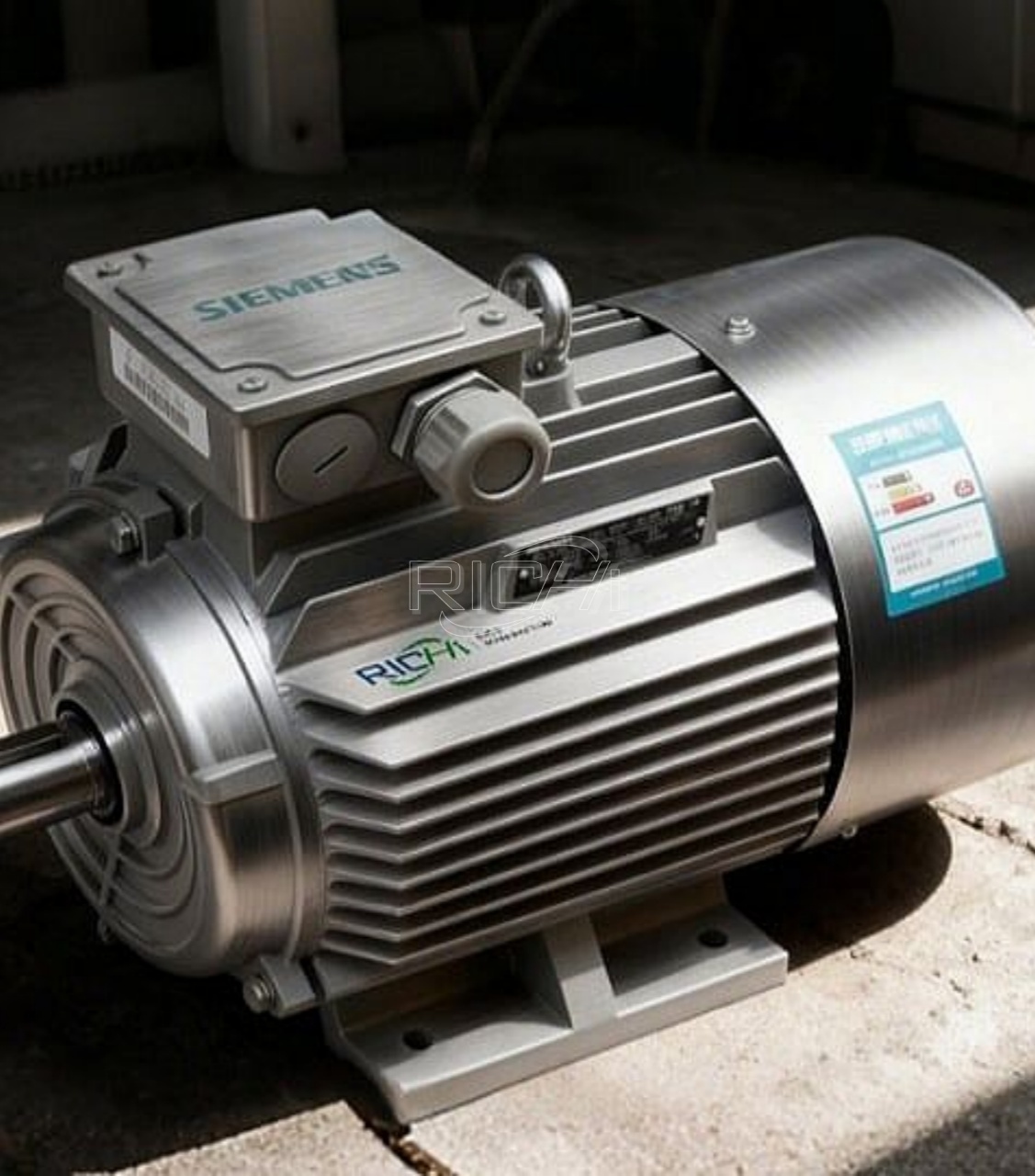
Siemens Motors
During the cat litter pelleting process, the motor needs to continuously drive the pelleting system to withstand a large load. Therefore, the stability of the motor directly affects the production efficiency and operational reliability of the equipment. The RICHI cat litter pellet machine is equipped with an industrial-grade Siemens high-quality drive motor, which can maintain efficient and stable power even under long-term, high-intensity operation.
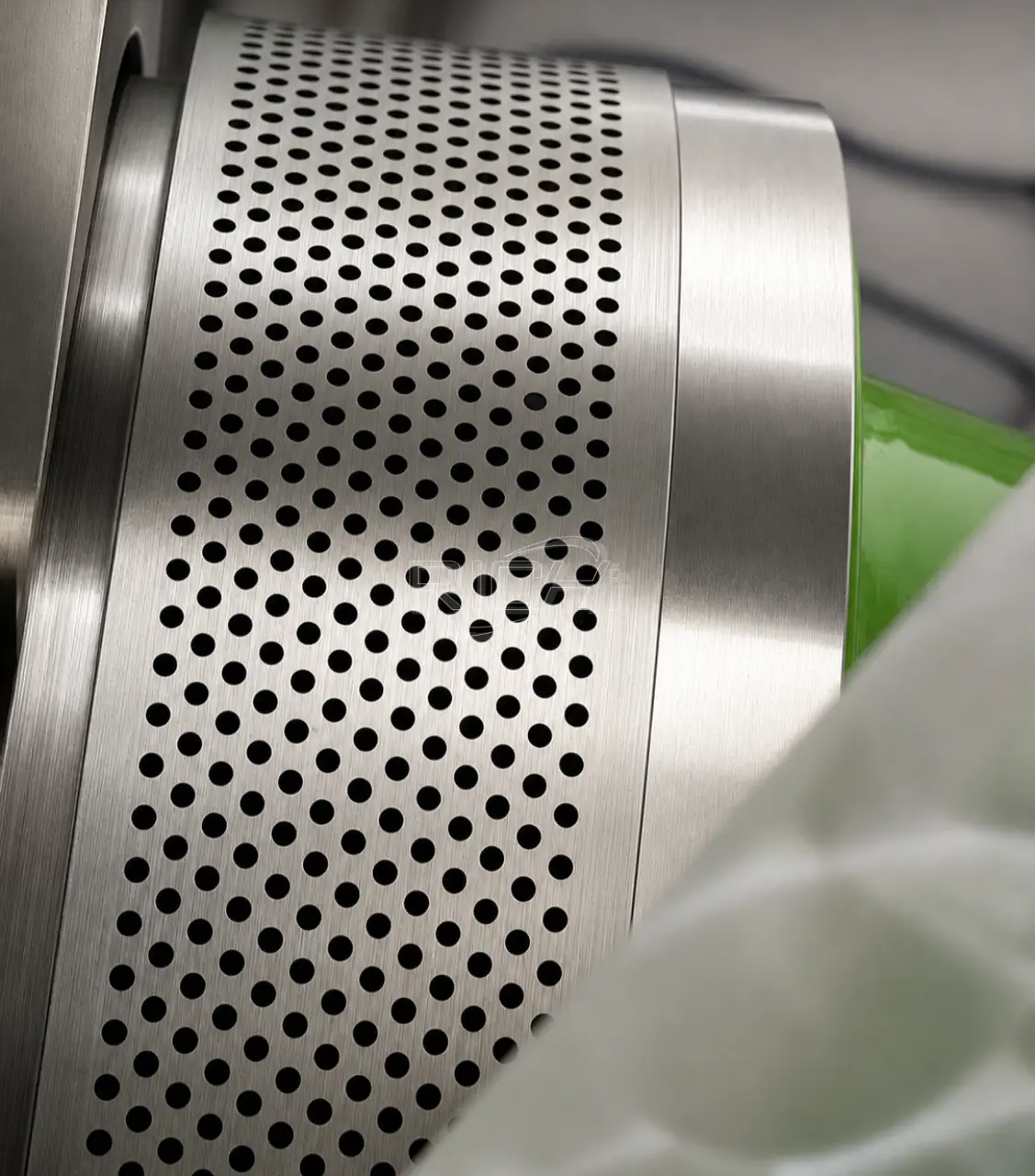
Ring Die and Pressure Roller
The ring die and pressure roller are the core components of the pellet mill. They work together like a “mold” and a “press head,” forcing loose cat litter material into the ring die and extruding dense cat litter pellets. They are typically made of 42CrMo alloy steel or 40CrMnTi, and undergo a carburizing heat treatment process to enhance wear resistance.
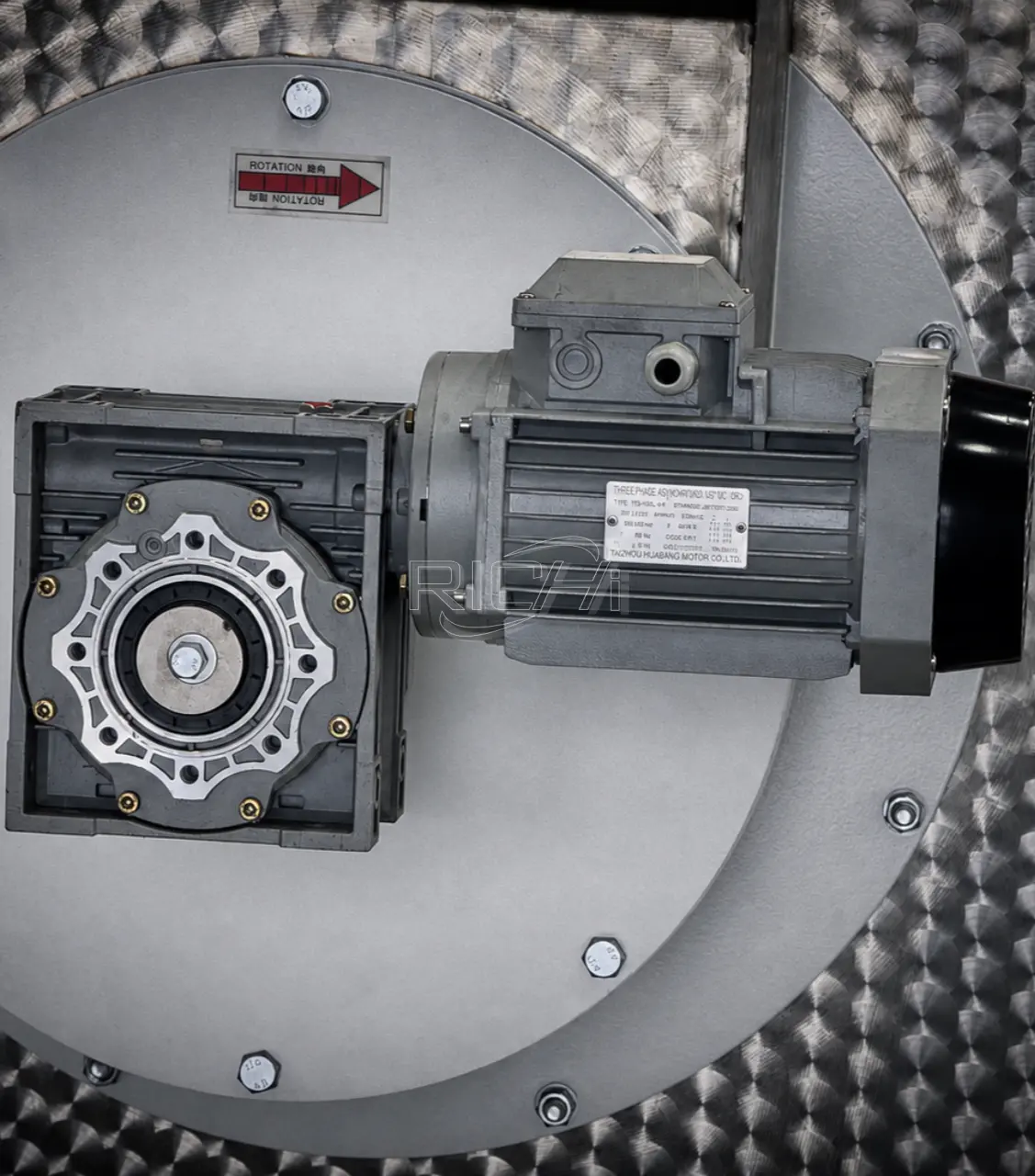
Variable frequency feeder
The core function of a variable frequency feeder is to precisely control the flow rate of raw materials into the pelleting chamber via a variable frequency motor, providing a stable and matched material flow to the ring die and pressure rollers, preventing material accumulation that could lead to blockages. This automatic adjustment ensures stable operation of the equipment under optimal load, directly extending the lifespan of core components such as the ring die and pressure rollers.
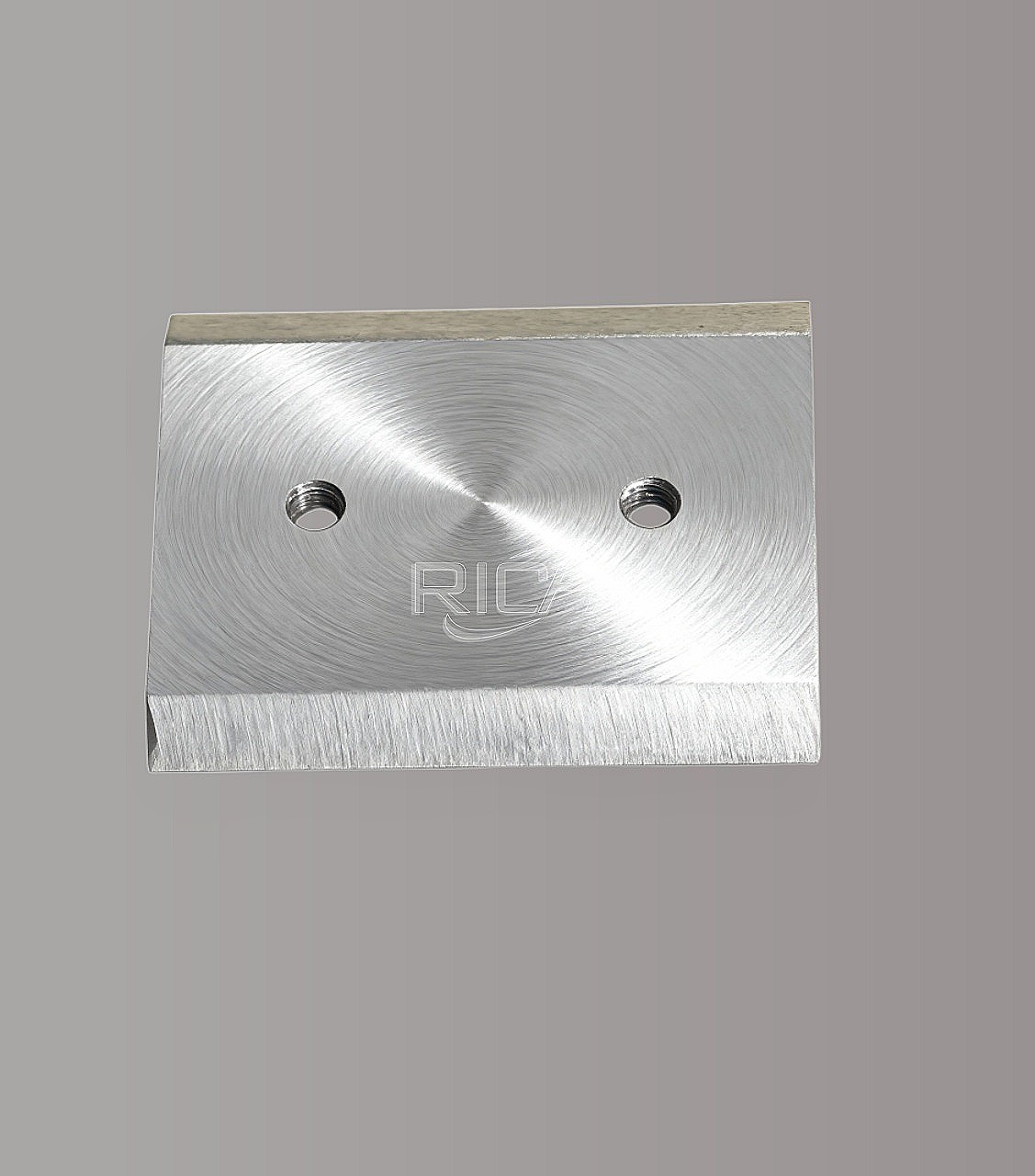
Cutter
The cutter is a key component that determines the final size of the cat litter pellets. It is installed on the outside of the ring die and cuts the cat litter extruded from the ring die at a certain length. Cat litter pellets are very fine, so RICHI has strict requirements for the cutting process to ensure the uniformity and high quality of the finished pellets.
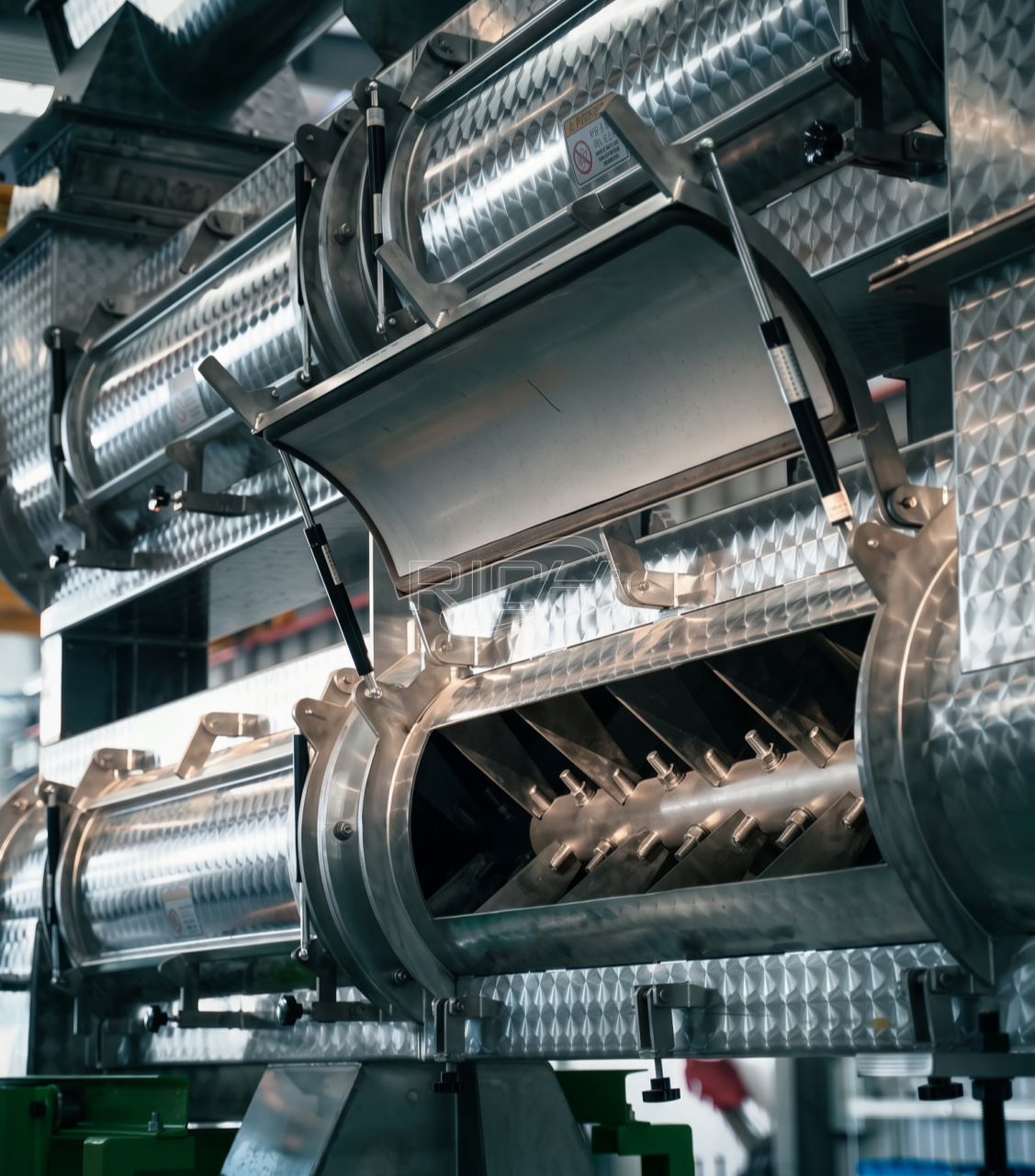
Stainless steel conditioner
Conditioners play a crucial role in the production of cat litter using certain raw materials, performing “maturation and homogenization” processes. They can sterilize the materials, improve water resistance, and enhance molding properties, such as in the production of tofu cat litter. The stainless steel material ensures product purity and prevents impurities from contaminating the materials.
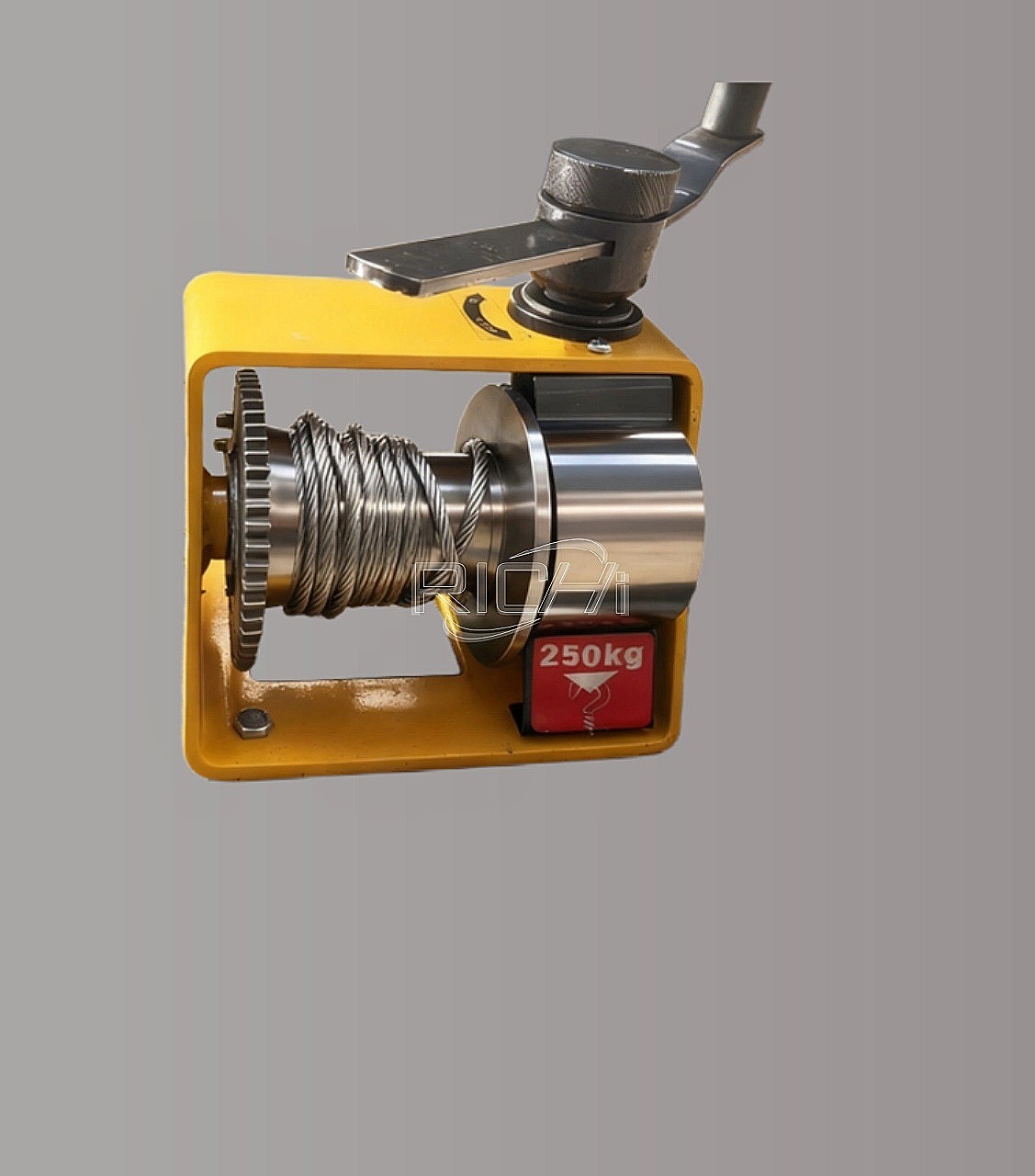
Ring mold lifting device
The ring die lifting device is a specialized auxiliary tool designed by RICHI for high-capacity cat litter pellet mills, used for replacing and disassembling ring dies. The ring die is one of the heaviest core components of the pellet mill; manual replacement is time-consuming, labor-intensive, and poses safety hazards. This device effectively reduces labor intensity and improves replacement efficiency.
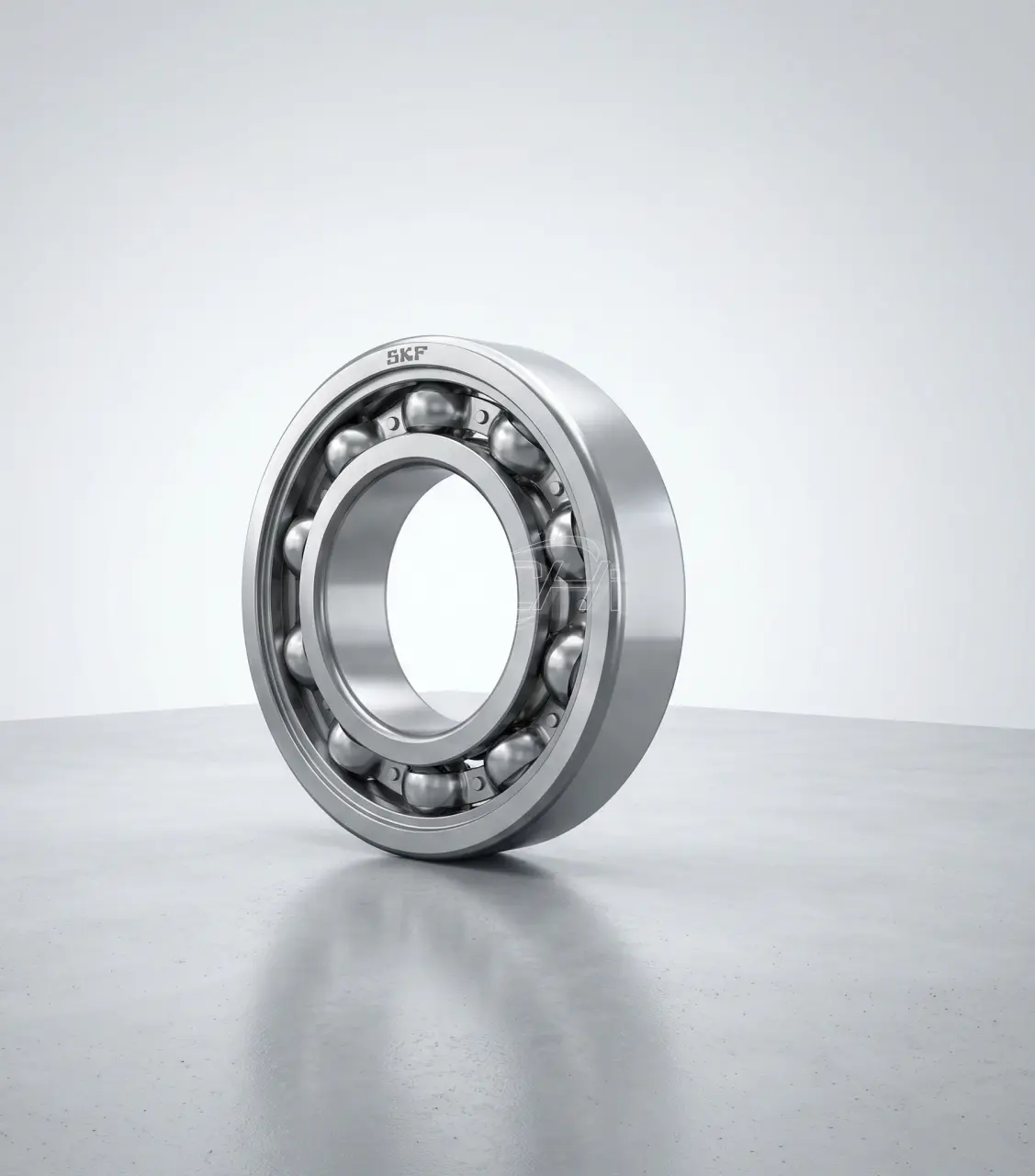
SKF Bearings
Bearings are important and easily worn components in pellet mills. SKF bearings have strong pressure resistance and wear resistance, ensuring stable operation of the equipment for a long time in heavy-load and high-dust environments. They can significantly improve the smoothness of the main drive, reduce the failure rate, and extend the overall service life of the equipment.
Next
Customer reviews
Next
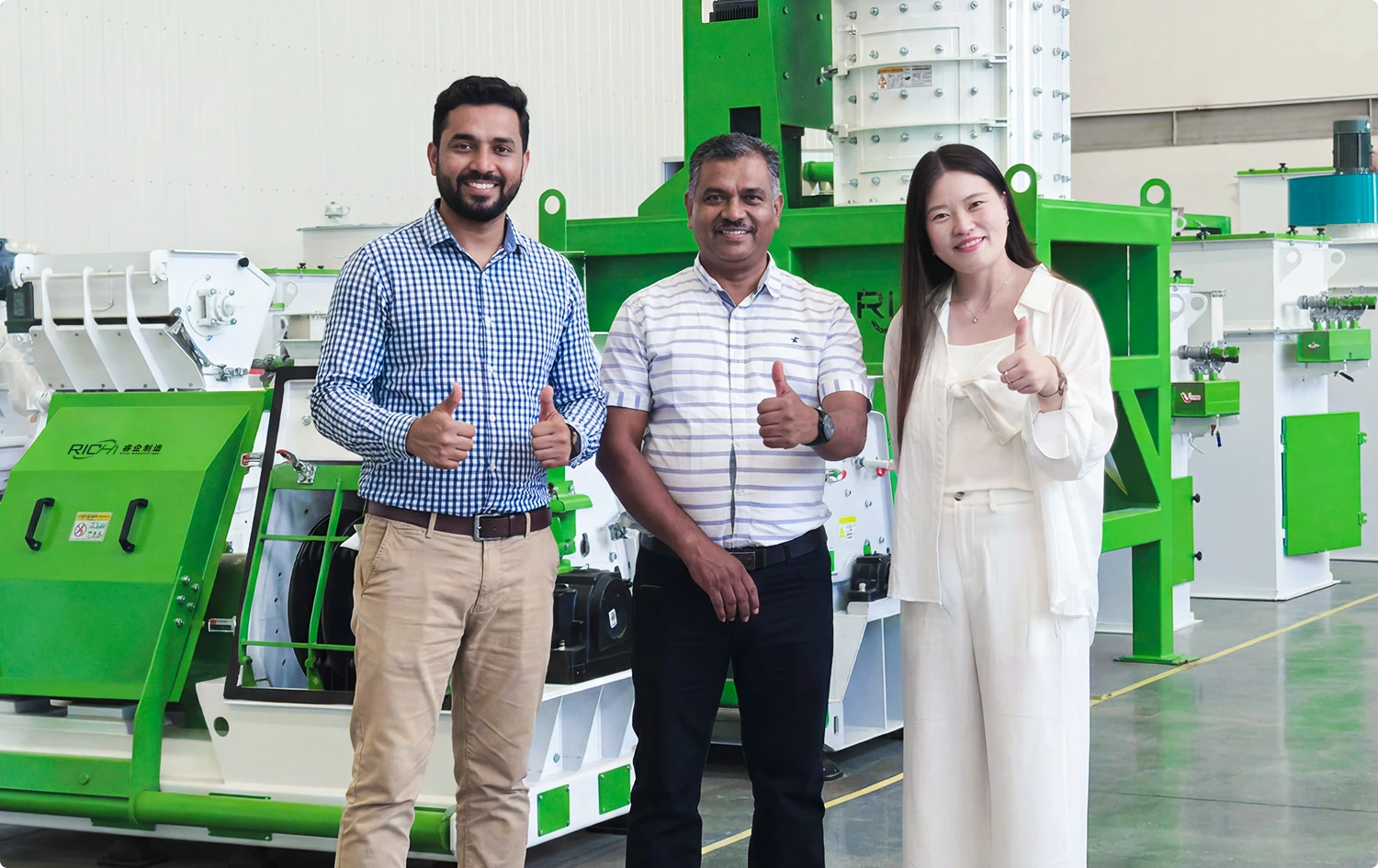
COMPLETE PRODUCTION LINE EQUIPMENT
1
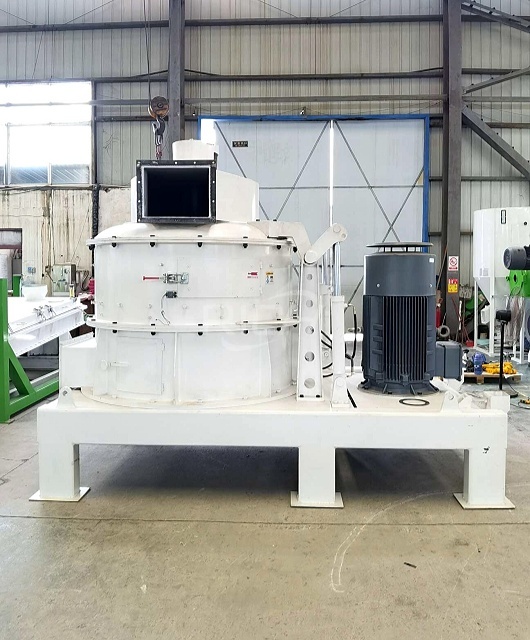
Ultrafine Pulverizer
The ultrafine pulverizer is responsible for the fine processing of raw materials in the cat litter production line. Ultrafine pulverization and granulation of the raw materials significantly improves the cat litter’s adsorption and deodorization capabilities, while ensuring the fine and uniform texture and appearance of the litter granules.
2
Wood Shredder
Wood shredders are mainly used for primary shredding of biomass raw materials such as wood, straw, and bamboo residue. They can process large-volume raw materials into sizes of 0.5-20mm, preparing them for secondary fine shredding.
3
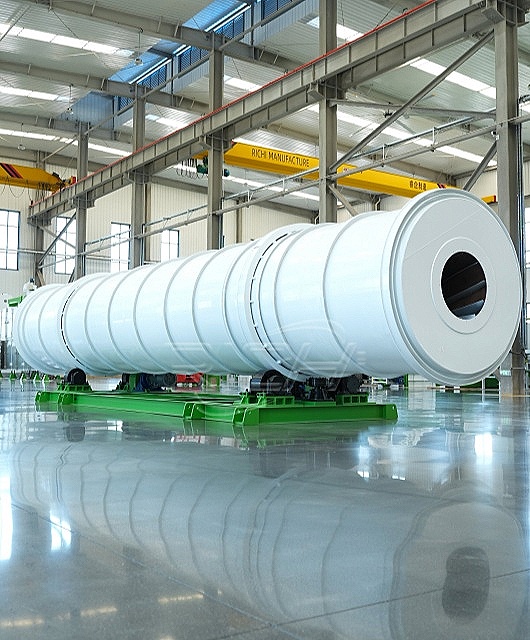
Rotary Drum Dryer
The material is lifted up by the lifting plates inside the tilting rotating drum and fully mixed with hot air to achieve a drying effect. This method is suitable for large-scale production of materials such as bentonite cat litter that are not sensitive to abrasion.
4
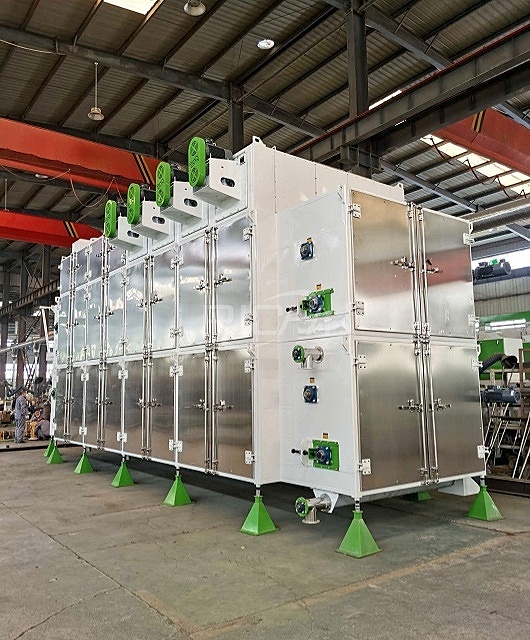
Mesh Belt Dryer
The mesh belt dryer does not involve vigorous agitation. The material is evenly spread on the moving mesh belt, and hot air penetrates vertically through the material layer for drying. It is suitable for processing tofu cat litter, plant-based cat litter, etc.
5
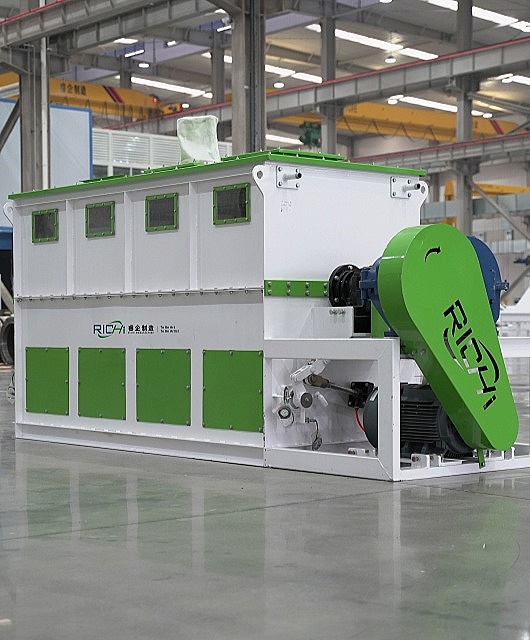
Ribbon Mixer
The ribbon mixer utilizes inner and outer double-layer ribbons for bidirectional kneading to achieve a mixing effect, featuring high efficiency and good uniformity.
6
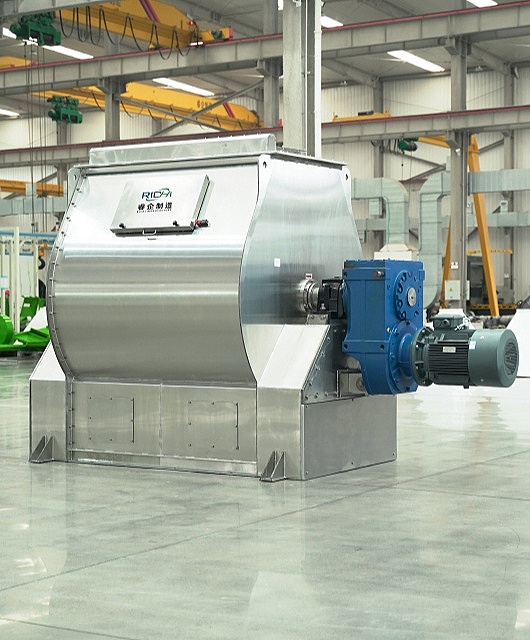
Paddle Mixer
Paddle mixers use rotating paddles to throw materials throughout the mixer, and through a combination of convection, shearing, and diffusion, the materials are thoroughly mixed in a very short time.
7
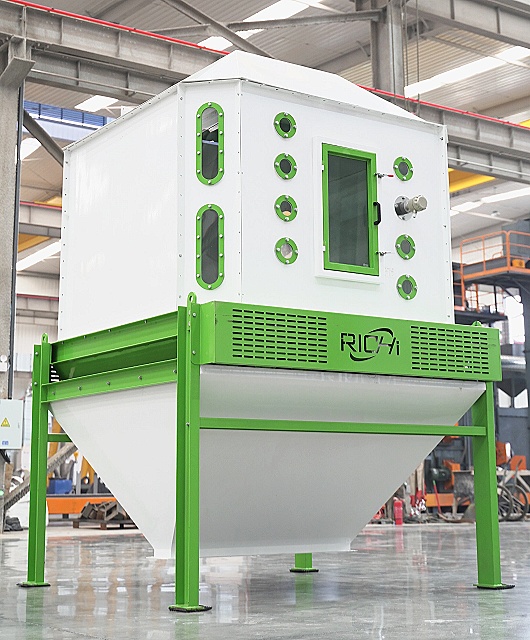
Counterflow Cooler
It is used in the back-end process of cat litter production line to quickly cool the newly formed high-temperature and humid granules to room temperature and enhance their hardness and wear resistance.
8
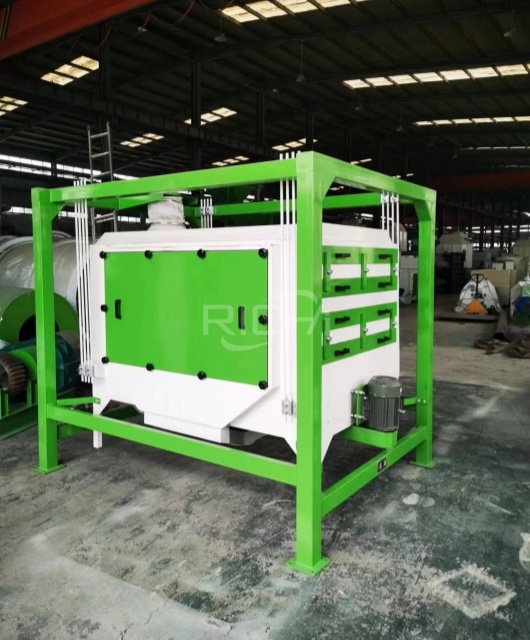
High Square Screen
The high-efficiency grading screen is designed specifically for fine particles. It has high screening efficiency and accuracy, and is used to screen out oversized or overly broken particles to ensure the quality of the finished product.
9
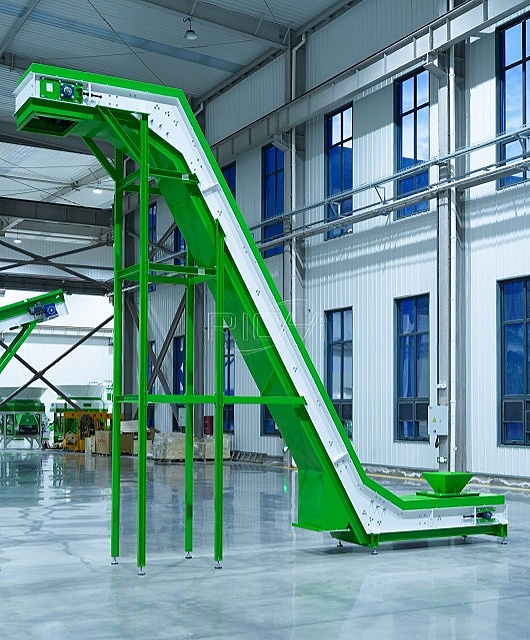
Conveyor
Conveyors serve as “bridges” connecting various process stages in a production line. They are mainly used for the horizontal or inclined transfer of materials and can transport powdery or granular materials.
10
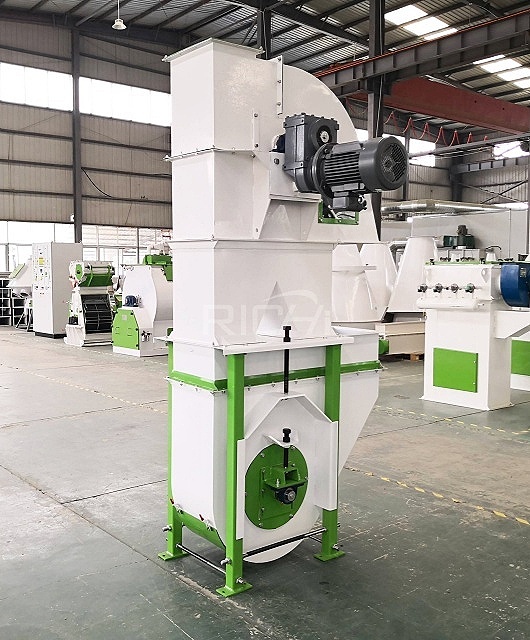
Bucket Elevator
Bucket elevators are also an important link between different processes. They are mainly used for vertical, large-angle, and high-height material lifting, and come in two types: self-cleaning and Z-shaped.
Poultry Bedding Pellet Machine
Wood chips, straw, and other raw materials can be made into granular bedding that is highly absorbent and produces little dust, providing a dry living environment for poultry such as chickens and ducks.
Pet Bedding Pellet Machine
This product is used to produce pellet bedding for small pets such as rabbits and hamsters. It emphasizes the softness and absorbency of the pellets and usually uses raw materials such as straw and wood chips.
Horse Bedding Pellet Machine
Compressing sawdust, straw, and other materials into larger, more durable pellets and laying them in stables can effectively absorb moisture, deodorize, reduce dust, and maintain the health of horses’ hooves.
QUESTIONS
Can various grasses be used as raw materials for making cat litter?
Yes. Many people are now choosing to use grass-based raw materials to make cat litter, such as alfalfa, hay, wheat straw, and rice straw. These herbaceous plant fibers can be used to make plant-based cat litter according to the formula.
However, it should be noted that the absorbency, clumping, and granule strength of herbaceous fibers are often not stable enough. In actual production, it is more common to process the grass into various fibers or powders and then blend them with other raw materials. For example: grass fiber + corn starch can enhance clumping and shaping; grass fiber + tapioca starch can improve granule strength; and blends with plant gums, soybean residue, sawdust, etc.
If you want to use grass-based raw materials to make cat litter, we suggest you talk to our engineering experts. We can help you find the most suitable plant-based cat litter formula, recommend the most suitable grass cat litter pellet machine configuration, optimize your production process and cat litter quality based on your raw materials, and help you build a cat litter project that can quickly achieve a return on investment.
What wood materials are suitable for our Wood Cat Litter Pellet Machine?
Generally speaking, our Wood Cat Litter Pellet Machine is suitable for most wood materials, such as pine, fir, wood chips, sawdust, wood fibers, and wood processing scraps. Of course, we also have pre-treatment equipment for various wood materials, perfectly compatible with your cat litter production line, solving all your problems related to raw material crushing, drying, and compounding.
If you are interested, you can talk to our technical consultant. We will design and recommend the most suitable cat litter pellet machine configuration for you based on your actual raw materials and cat litter formula.
Do different types of cat litter require different pellet mills?
Not necessarily completely different, but different raw materials have different molding characteristics, so the pellet mill configuration will also differ. Raw materials such as soybean residue, sawdust, bentonite, and paper fiber require the appropriate pelleting method based on the formula, pellet size, and production capacity.
In different production processes, we can customize and optimize different equipment configurations to maximize equipment and production line efficiency while minimizing energy consumption, helping you achieve the greatest return on your investment.
Can a cat litter production line produce cat litter with different scents and colors?
Absolutely. A cat litter production line can add different pigments, fragrances, deodorizers, etc., according to the product formula to produce unscented, lavender, green tea, peach, and other scents, as well as cat litter in different colors. Furthermore, by selecting plant-based raw materials with natural colors and scents, and optimizing the raw material ratios and processing techniques, the cat litter can retain the original color and natural aroma of the raw materials, without the need for additional artificial pigments and fragrances.
If you would like to understand the process of producing colored and scented cat litter, please feel free to contact us. We will provide you with detailed answers based on your raw material situation.
How to adjust the size of cat litter Pellets?
production requiroments,But atao become a benchmark that leoding the induatry trond Made in RICH has become ondorsement words of the nduty boutique canfuly meet the various trend ‘Made in RCHr has become endorsement ading the industry fuly meet the various production requirements But atso become benchmark that leccing the incuaty trend Made in RCHt has become endorsement words of the industry boutique can fuly meet the various trond Mace in RICH!” has become endorsement ading the industry fully meet the various
What happens to non-conforming particles generated during production?
They are returned to the production line for further granulation. It’s normal for some particles to be too large, too small, or broken during production. These remaining particles can be collected through screening. As long as the raw materials are not contaminated, they can be sent back to the crushing, mixing, or granulation process for reprocessing via a return material conveying system. This reduces raw material waste and improves the overall yield. When designing production lines, RICHI rationally arranges return routes based on the characteristics of the raw materials to maximize their utilization.
What is the price of a cat litter pellet machine?
The price of a single cat litter pellet machine is approximately $7,000-$100,000 USD, as the equipment configuration varies significantly depending on the project. Factors such as raw material type, production capacity, pellet size, die specifications, motor configuration, and level of automation all affect the price. For example, a small tofu cat litter pellet machine with a capacity of 500 kg/h will require different configurations and investments than a wood or bentonite cat litter pellet machine with a capacity of 3–5 t/h. A more accurate equipment quote can only be provided after the raw materials and production capacity are determined.
What are the prospects for investing in cat litter production?
The cat litter market holds enormous potential. With the increasing number of cat-owning households, cat litter has become a staple in pet daily consumption, and different regions have varying demands for products such as tofu cat litter, bentonite cat litter, wood cat litter, and paper cat litter.
For the production side, in addition to considering market demand, it’s crucial to assess local raw material availability and sales channels. If the local area has abundant low-cost raw materials such as sawdust, soybean residue, bentonite, and waste paper, these resources can be utilized to produce corresponding cat litter products, reducing raw material transportation and procurement costs. Therefore, when investing in a cat litter production project, it’s essential to consider local raw material supply, target market, product type, and planned production capacity.
What raw materials can a paper cat litter pellet machine process? Are drying and additives required during production?
Yes. Paper cat litter pellet machines mainly process paper fiber raw materials such as waste paper, waste cardboard, newspapers, book paper, and pulp. If the raw material has a high moisture content, it usually needs to be dried first; if the raw material is relatively dry, the drying process can be reduced or eliminated depending on the actual situation. Before pelleting, the raw material needs to be crushed, screened, and mixed according to its condition.
If it is necessary to produce cat litter with specific functions, additives such as deodorizers, fragrances, and absorbent materials can be added during the mixing stage. The concentration and amount of fragrance can be adjusted according to the product positioning. Finally, the finished product is obtained through pelleting, cooling, and screening. Screening can separate excessively large particles and powder. The particle diameter can usually be adjusted by changing the mold. The specific production capacity needs to be determined based on the type of raw material, the moisture content of the raw material, the particle size, and the target output.

