
1 TON FEED MIXER FOR SALE
1 Ton Feed Mixer for Sale – We offer a wide range of feed mixers specifically designed for livestock farms and feed processing plants. These machines feature high mixing efficiency, excellent uniformity, and easy operation, helping customers significantly improve productivity while reducing labor costs.
RICHI Machinery supplies feed mixing equipment directly from the factory, ensuring reliable quality, outstanding mixing performance, and competitive pricing. Feel free to contact us — we are committed to providing customized solutions tailored to your requirements.If you are struggling to find a high-quality feed pellet machine,

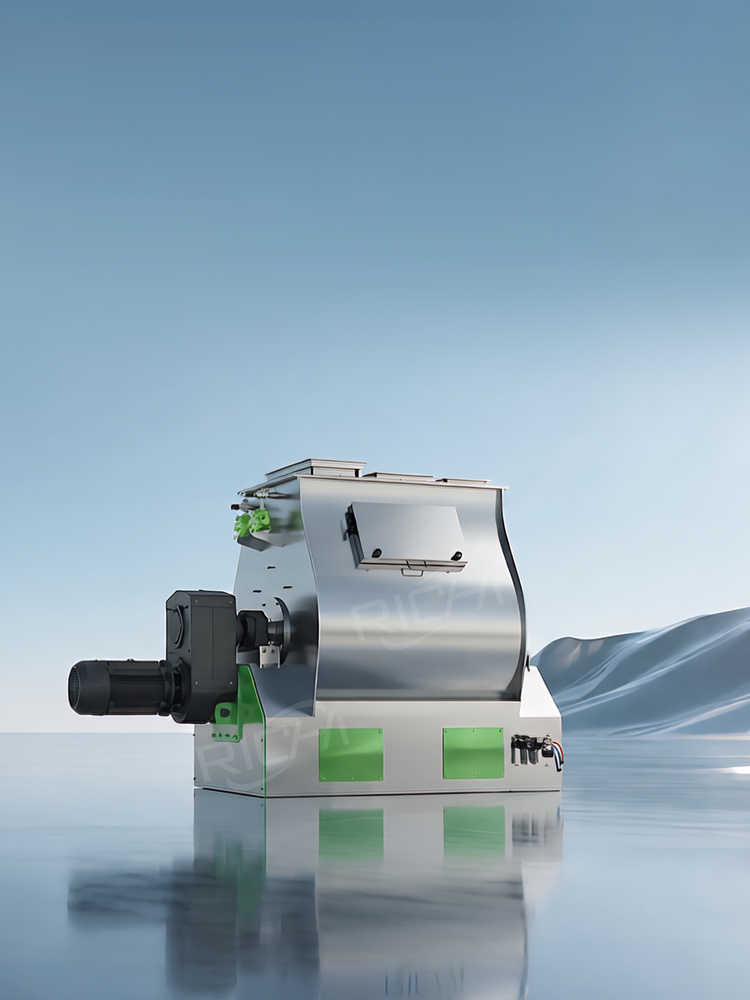
MULTIPLE TYPES OF HIGH-EFFICIENCY FEED MIXERS
To meet different production requirements, we provide various types of high-efficiency feed mixers. Below is a detailed introduction to our main models.
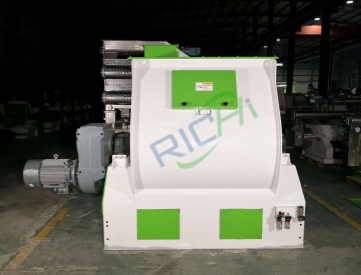
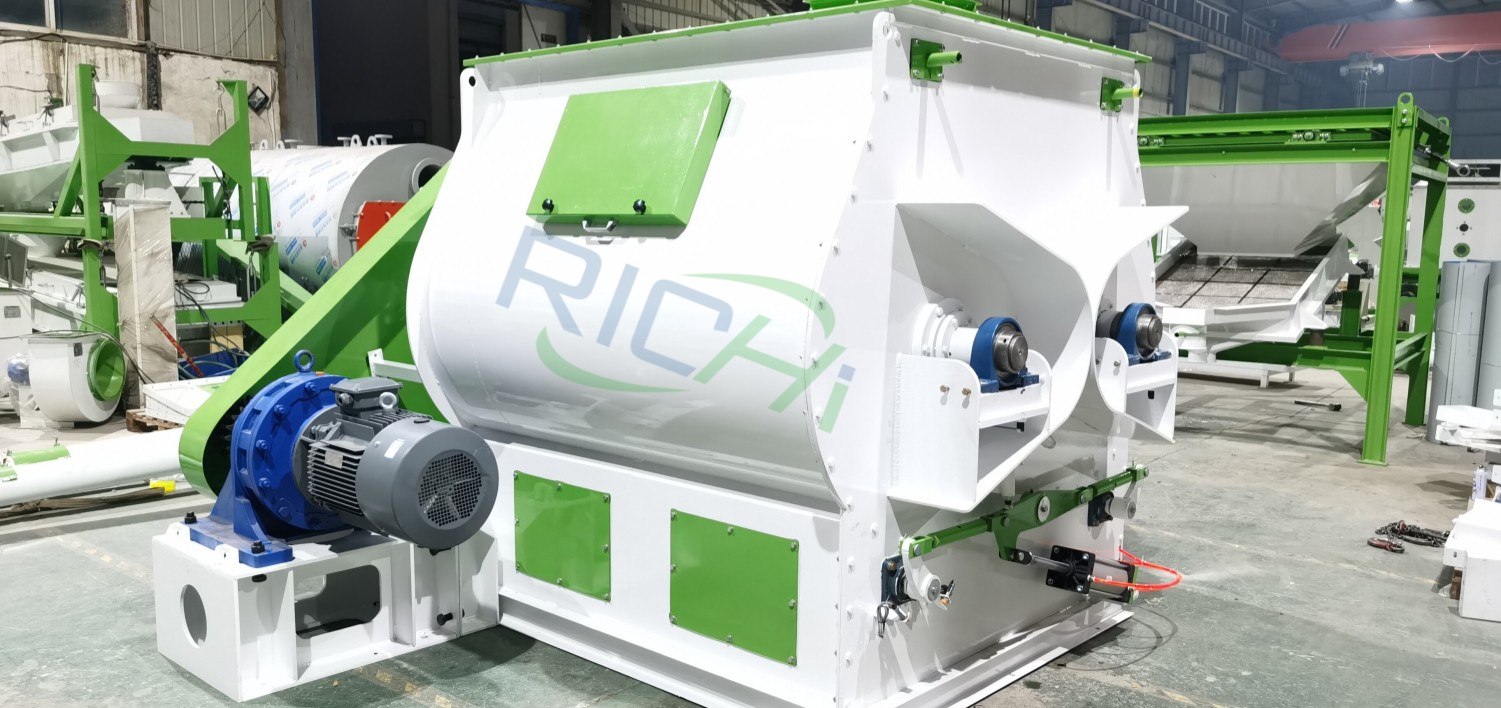
SLHJ Series Single Shaft Double Paddle Mixer
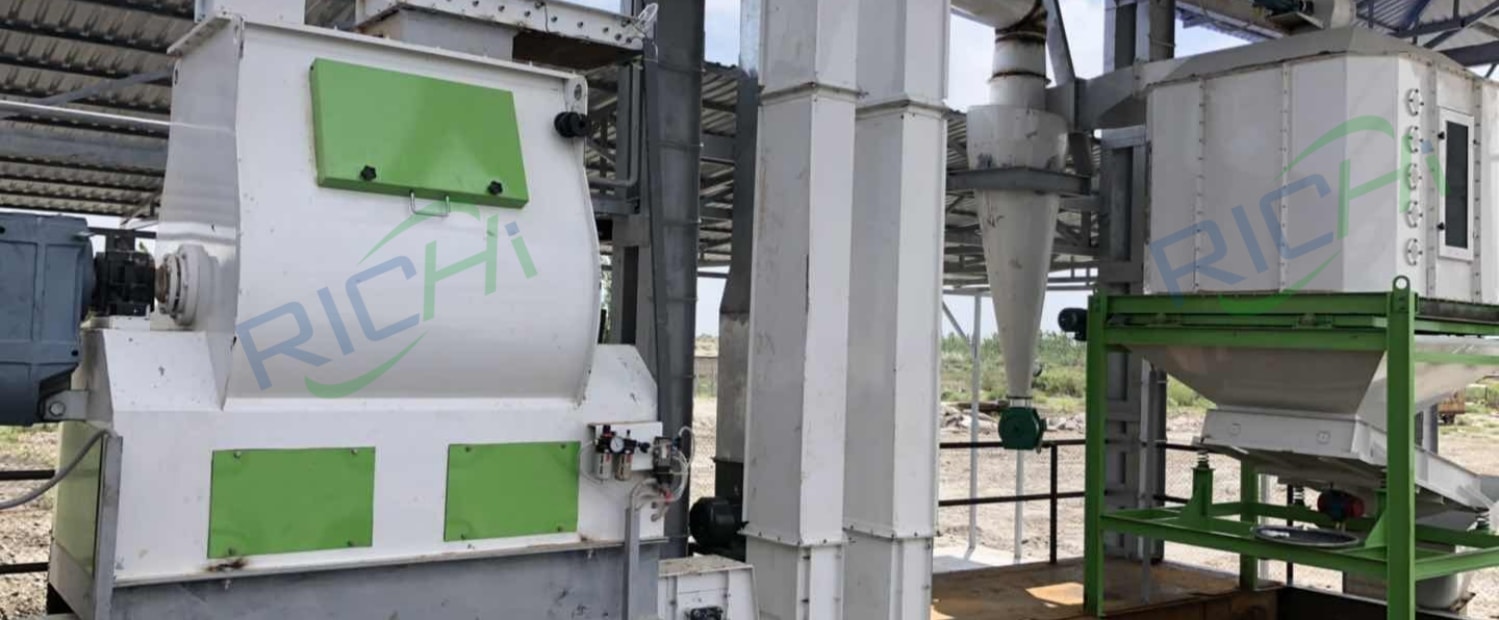
The SLHJ series is suitable for mixing materials in industries such as feed, chemicals, organic fertilizers, and viscous materials.It is composed of a machine body, cover, paddle shaft, discharge system, motor reducer, transmission system, and air outlet.
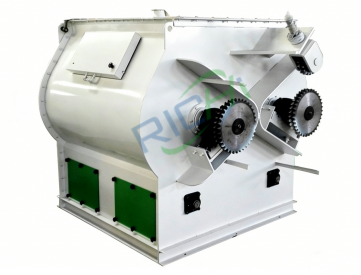
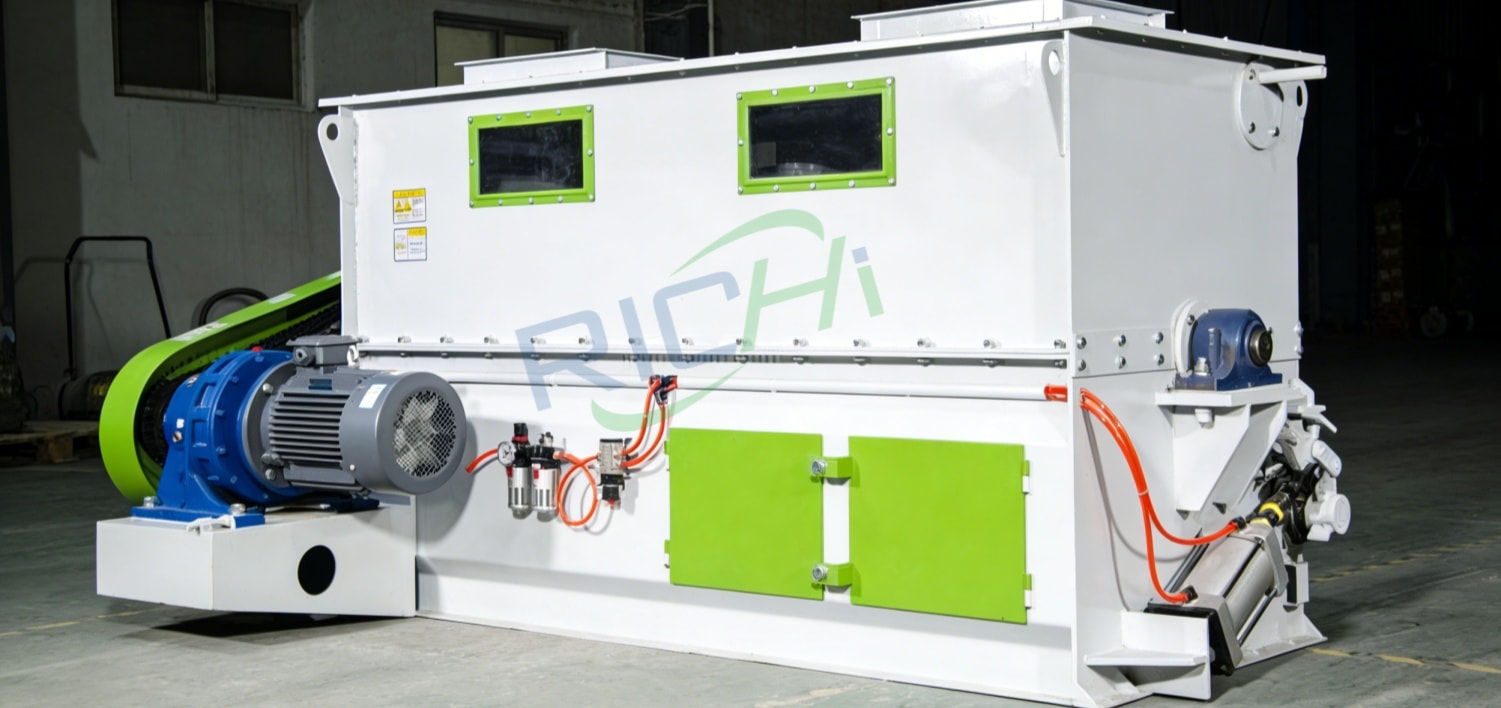
SLHSJ Series Twin Shaft Paddle Mixer
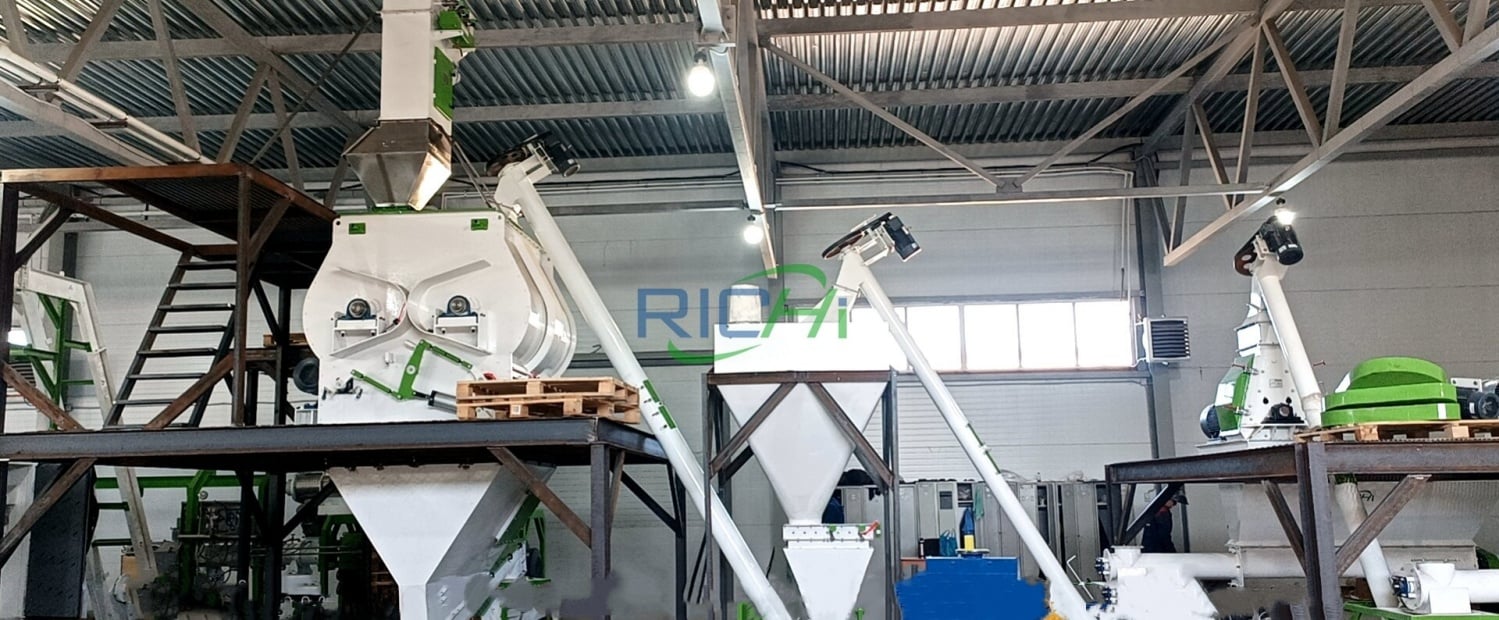
The SLHSJ series twin shaft paddle mixer is widely used in feed, grain, food, chemical, pharmaceutical, and pesticide industries.It is suitable for mixing powder, granules, flakes, blocks, irregular materials, and viscous substances.
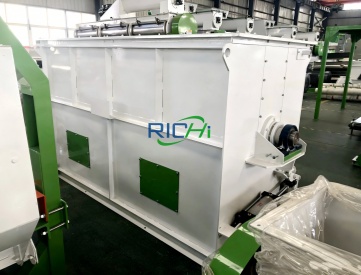
SLHY Series Single Shaft Double Ribbon Mixer
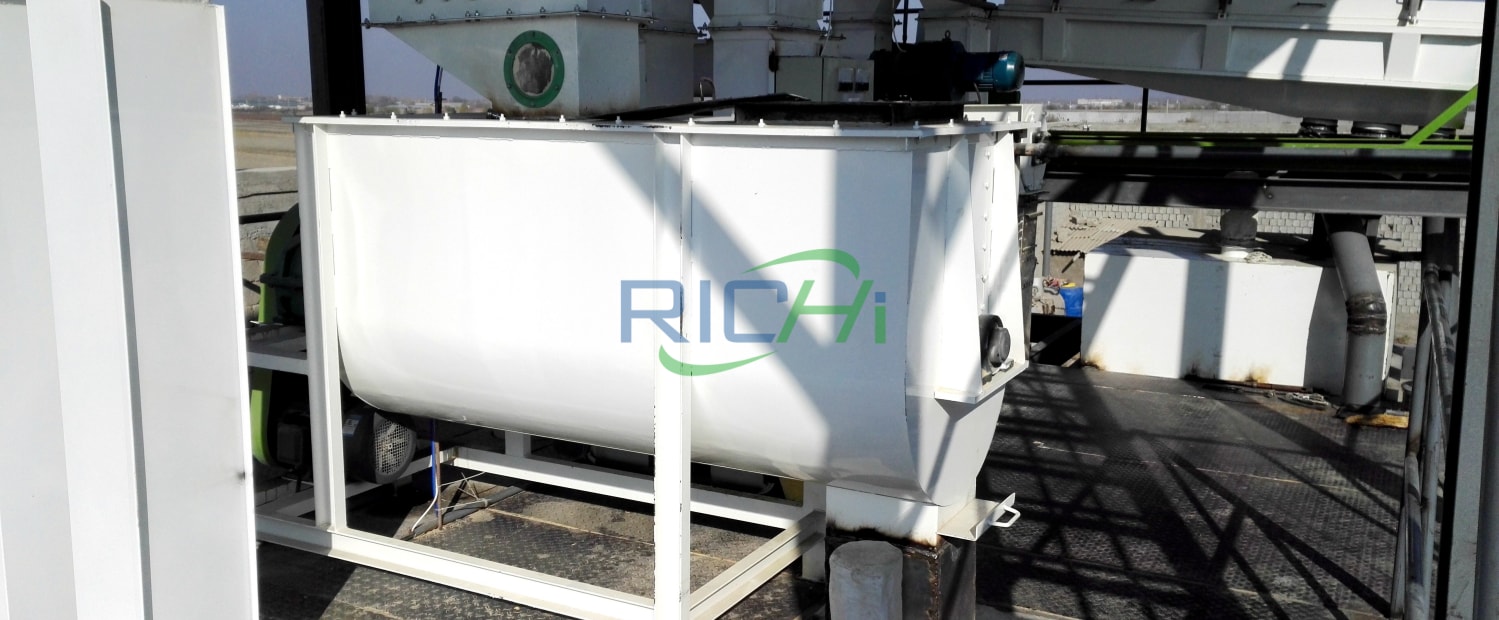
The SLHY series is widely used in small and medium-sized feed mills for mixing powdered materials. It ensures uniform distribution of ingredients, thereby improving the quality of compound feed.
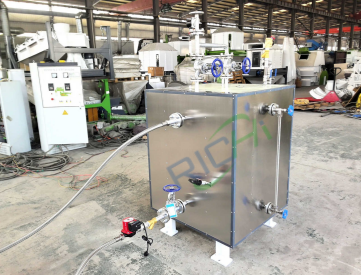
molasses addition system
The molasses addition system is specifically designed for adding molasses to ruminant feed. It is a high-speed continuous mixer, typically installed above the pellet mill, effectively solving issues related to high viscosity and difficult mixing.
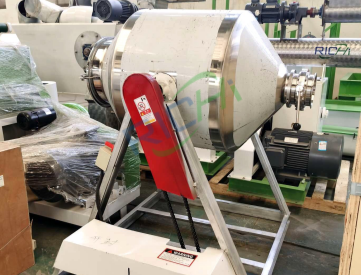
ZGH Series Drum Mixer
The ZGH series drum mixer is mainly suitable for the manual batching of small-dose additive premixes and premix production in feed mills. It is made of stainless steel, offering durability, low investment cost, and ease of operation.
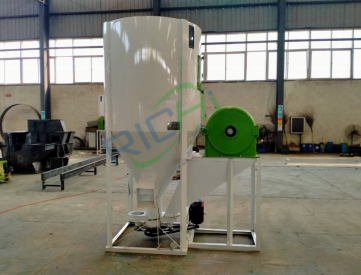
Vertical Mixing Tank
The vertical mixing tank is suitable for feed mills and small-scale production scenarios, especially for manual batching and medium to small batch production. It offers simple structure, compact footprint, low investment cost, and ease of use.
TECHNICAL SPECIFICATIONS
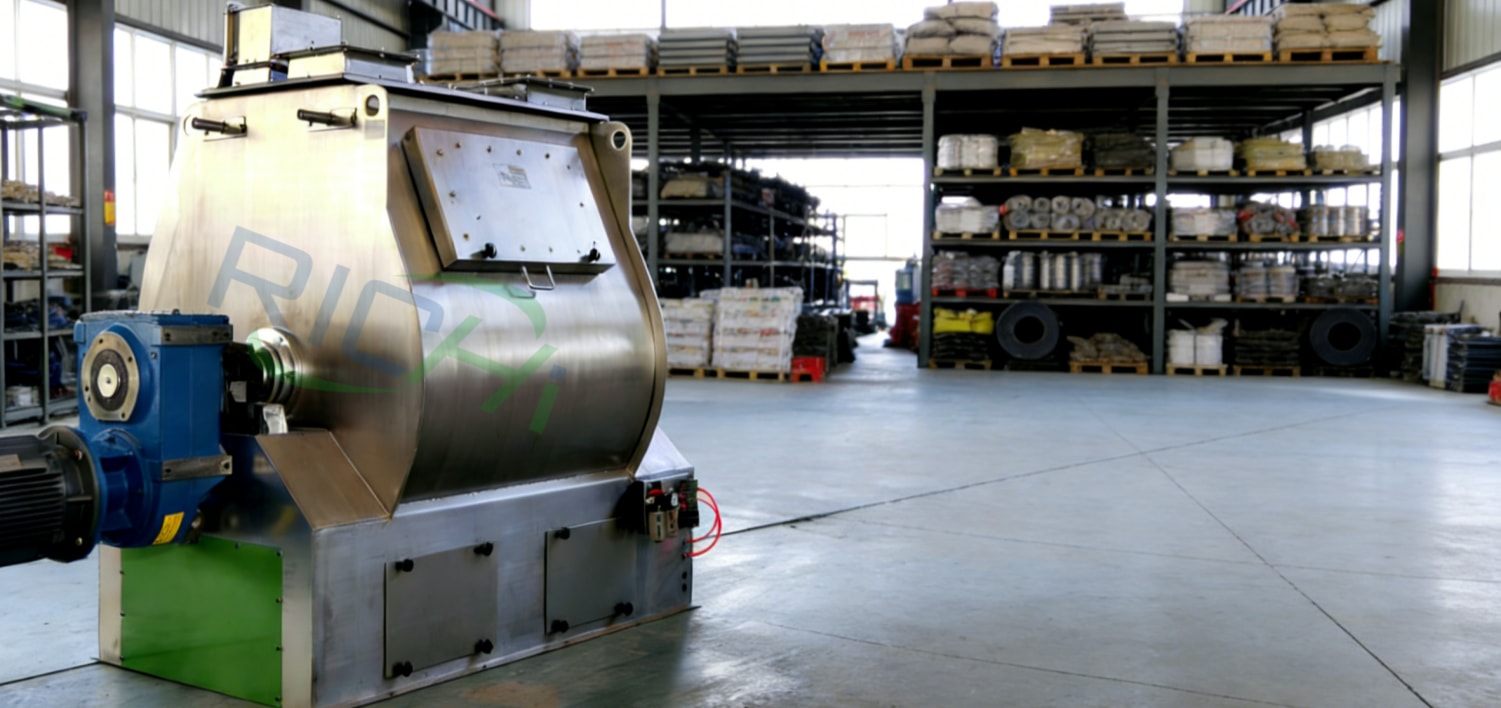
SLHJ Series Single Shaft Double Paddle Mixer
Motor Connection: Direct Connection
Materials: Carbon steel / Stainless steel
Power: 11–55 KW
Mixing Amount Per Batch: 500–3000 KG/P
Effective Volume: 1–6 m³
SLHSJ Series Twin Shaft Paddle Mixer
Motor Connection: Chain drive
Materials: Carbon steel / Stainless steel
Power: 5.5–30 KW
Mixing Amount Per Batch: 250–2000 KG/P
Effective Volume: 0.5-4 m³
SLHY Series Single Shaft Double Ribbon Mixer
Power: 4-45KW
Mixing Amount Per Batch: 250-3000 KG/P
Effective Volume: 0.5-7.5 m³
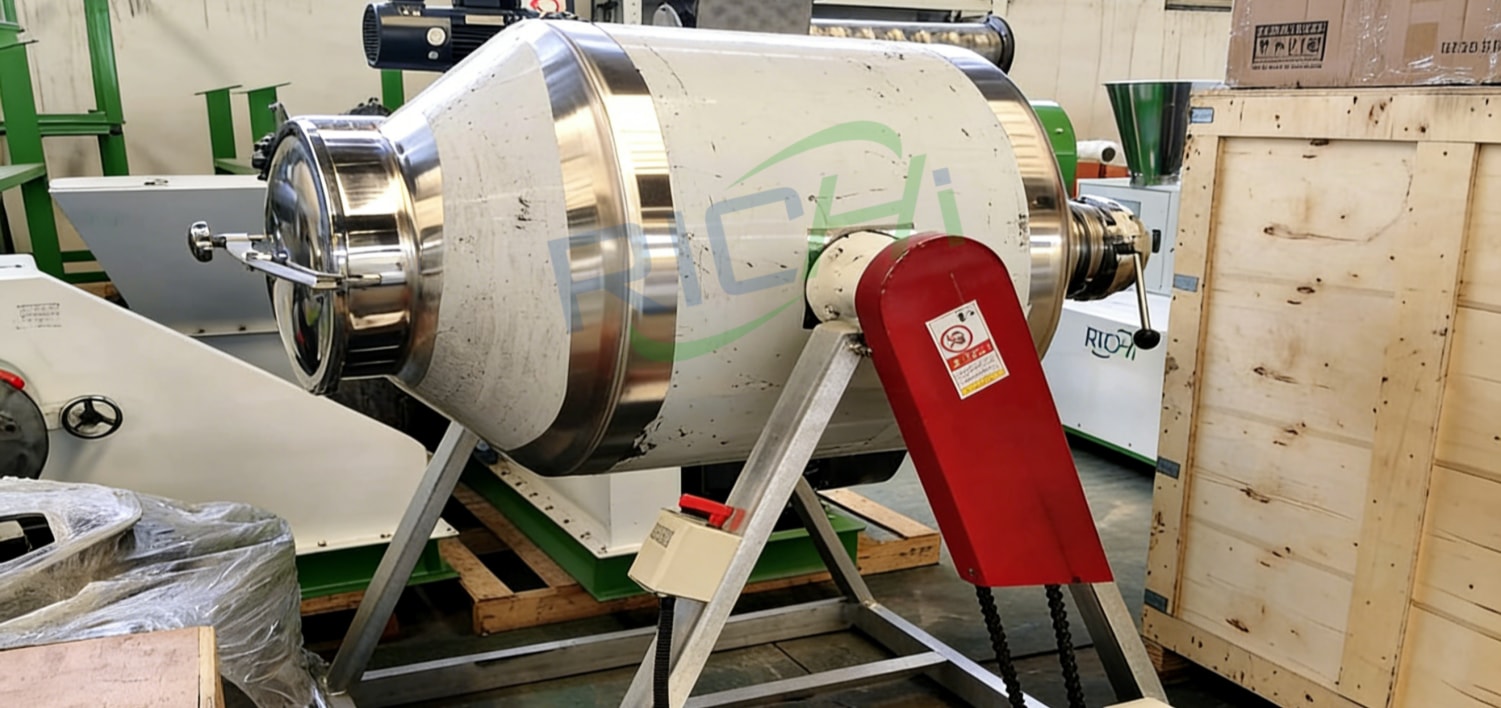
ZGH Series Drum Mixer
Power: 2.2 KW – (3+4) KW
Batch Capacity: 100-500 KG/BATCH
GLOBAL FEED MIXER PROJECTS
Since its establishment in 1995, RICHI Machinery has accumulated over 30 years of industry experience. Our equipment is used in more than 140 countries and regions, serving over 2,000 customers worldwide. Below are some representative projects.
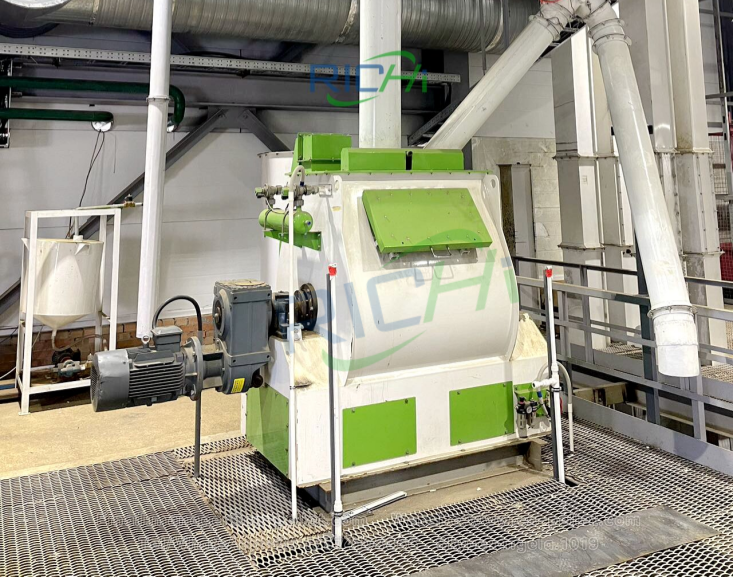
Brazil 1 Ton Feed Mixer Project
This project was implemented for a large broiler feed plant in southern Brazil. The customer’s previous equipment had issues with low efficiency and uneven mixing, leading to the need for an upgrade.
After evaluating multiple suppliers, the customer selected RICHI. The new mixer significantly improved mixing uniformity, ensuring consistent distribution of vitamins and trace elements.
The main raw materials included corn meal, soybean meal, bran, fish meal, premix, and oils. The customer reported an approximate 15% increase in production efficiency and expressed high satisfaction.
USA 1 Ton Feed Mixer Project
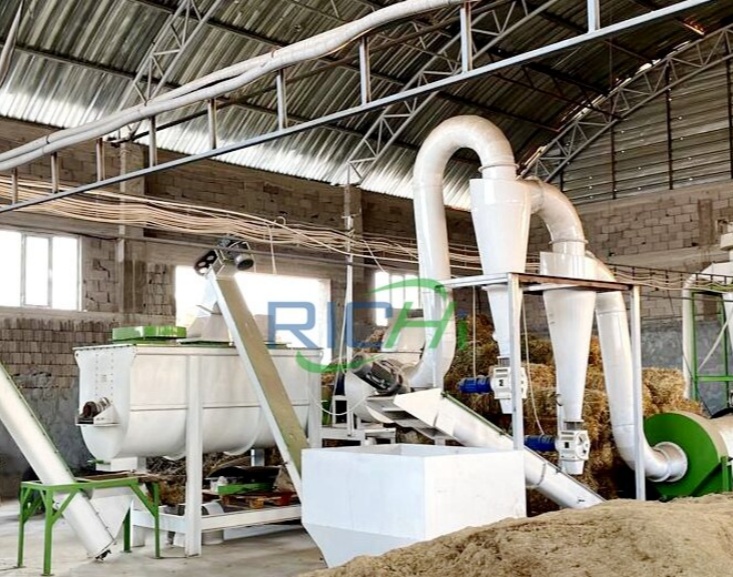
This project involved a pet food manufacturer in the United States expanding its dog food production line. The process required handling functional additives such as probiotics and fat powder, with strict requirements for mixing accuracy and batch consistency.
The main materials included corn gluten meal, chicken meal, animal fat, vitamin complexes, and functional additives.After testing, the customer was very satisfied with the mixing performance, and the project was successfully completed.
Later, the customer ordered a complete pellet production line, including our single shaft paddle mixer. Both the standalone equipment and the full production line received excellent feedback.
Norway 1 Ton Feed Mixer Project
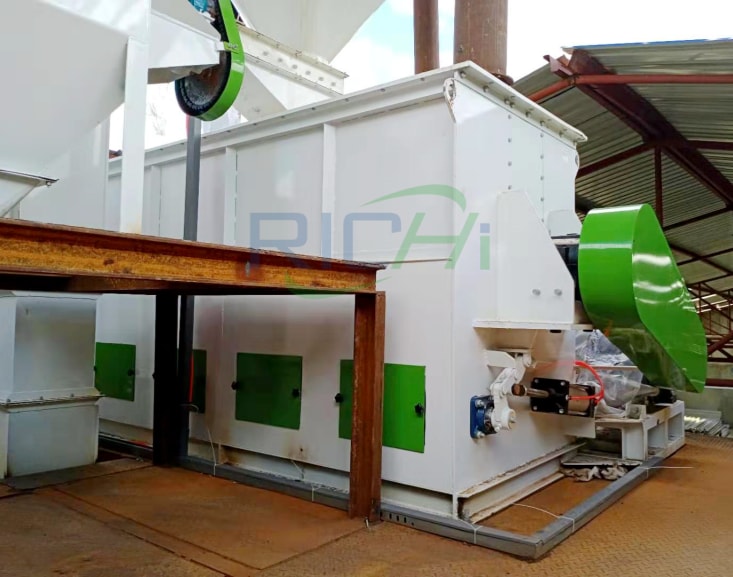
This project was carried out for an aquafeed plant in Norway, focused on high-end aquafeed production with high-viscosity raw materials.
The main materials included fish meal, wheat flour, fish oil, fish solubles, phospholipids, and vitamins.
Our double ribbon mixer improved feed stability and mixing performance. The customer also purchased our fish feed pellet machine, further enhancing pellet quality. Overall feedback was highly positive.
India 1 Ton Feed Mixer Project
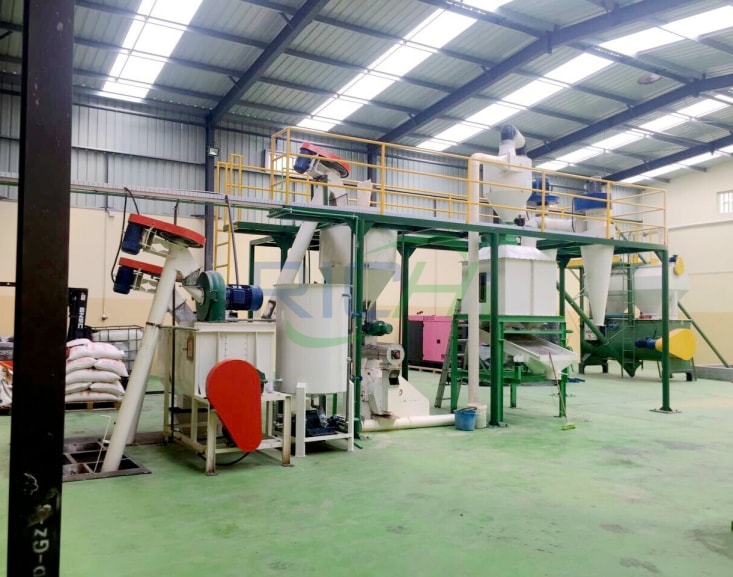
This project was for a ruminant feed plant in India producing feed for cattle and sheep. With a limited budget and a need for simple and durable equipment, we recommended the vertical mixing tank.
The main raw materials included crushed corn, rice husk, bagasse, soybean meal, forage, and additives.
The solution fully met the customer’s needs, and the customer expressed great satisfaction with the performance.
VIDEOS OF OUR 1 TON FEED MIXERS FOR SALE
To help you better understand our equipment, we have prepared several videos to provide a clear and intuitive demonstration of our feed mixers.

FAQ
FREQUENTLY ASKED QUESTIONS
If you want to maximize your investment return with our equipment, please feel free to contact us anytime. We will provide the most suitable solution for your needs.
+
What role does a feed mixer play in a production line?
A feed mixer is one of the core pieces of equipment in a feed production line. It is used to uniformly mix raw materials such as corn, soybean meal, bran, as well as vitamins and minerals, ensuring consistent distribution of nutrients. This directly affects whether the feed has balanced nutrition and whether animals can achieve good growth performance after consumption.
+
How long does it take to mix one batch?
A single shaft double paddle mixer and a twin shaft paddle mixer generally require 1–3 minutes to mix one batch of material; a single shaft double ribbon mixer generally requires 3–5 minutes per batch. The higher the filling level, the longer the time required. In addition, the mixing time is also affected by material density and differences in particle size.
+
Can liquid be added?
Yes, liquid can be added. It supports adding oil, water, molasses, etc.
+
How to choose a suitable mixer?
When selecting a suitable mixer, four key factors need to be considered: production capacity, raw material characteristics, mixing accuracy, and maintenance cost. You can provide us with your detailed requirements and actual conditions, and we will recommend suitable mixing equipment for you.
+
Which is better, manual discharge or pneumatic discharge?
In terms of discharge methods, both manual and pneumatic have their advantages. Manual discharge has a simple structure, low cost, and is easy to maintain, making it suitable for situations with small production capacity or low automation requirements. Pneumatic discharge is more labor-saving and efficient, and has advantages especially in cases where frequent discharge is required or the production scale is large. Overall, if you pursue stability and low cost, manual discharge is more suitable; if efficiency and automation are emphasized, pneumatic discharge is better.
+
Is equipment maintenance complicated?
The maintenance of our mixers is not complicated. Our design focuses on durability and ease of operation. Daily maintenance mainly includes regular cleaning of the mixing chamber, checking seals, and lubricating transmission components. The replacement of wearing parts is also relatively simple. Operators only need to carry out routine maintenance as required, and generally no complex professional skills are needed. This not only ensures long-term stable operation of the equipment, but also reduces maintenance costs.