

Corn Stalk Pellet Machine
The corn stalk pellet mill converts crop straw into clean, efficient fuel. The equipment ensures high efficiency, stable output, and a long lifespan. It reduces waste and lowers energy costs, making it an ideal choice for sustainable development.
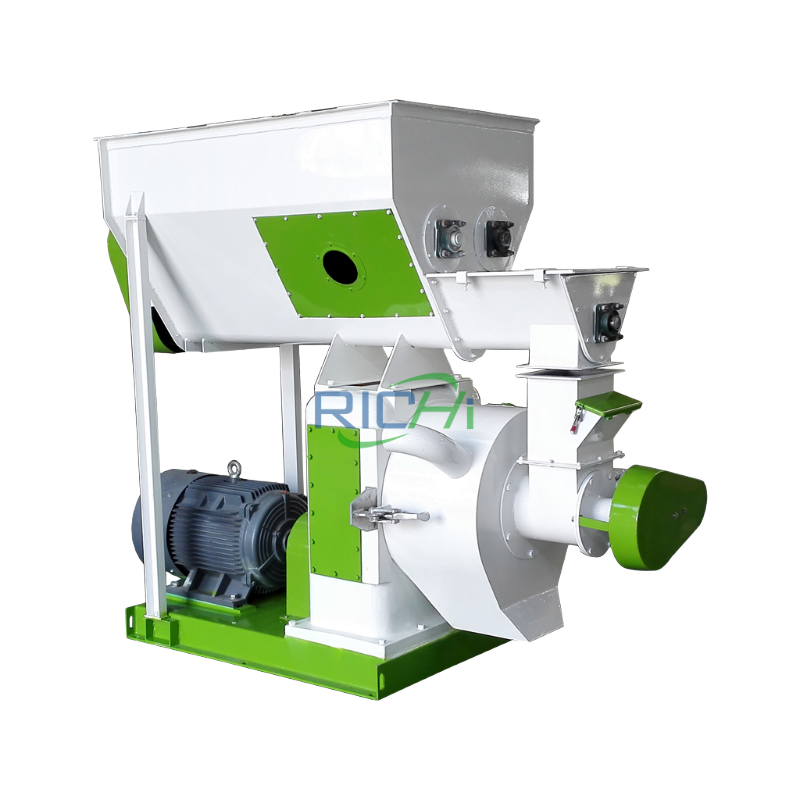
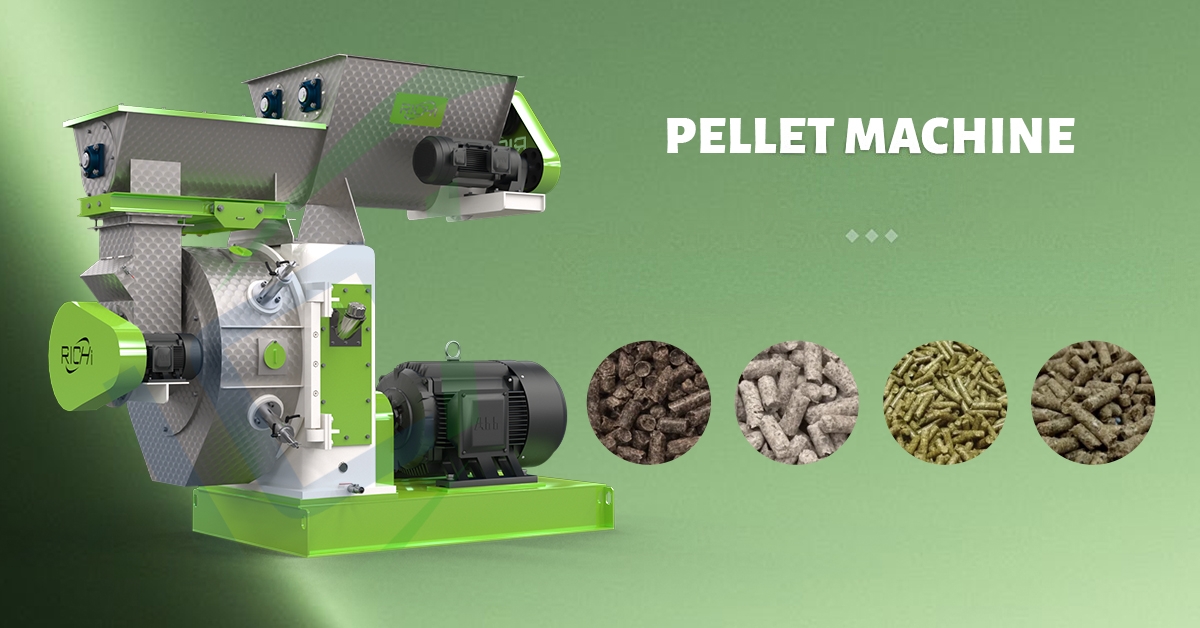
What is Corn Stalk Pellet Machine?
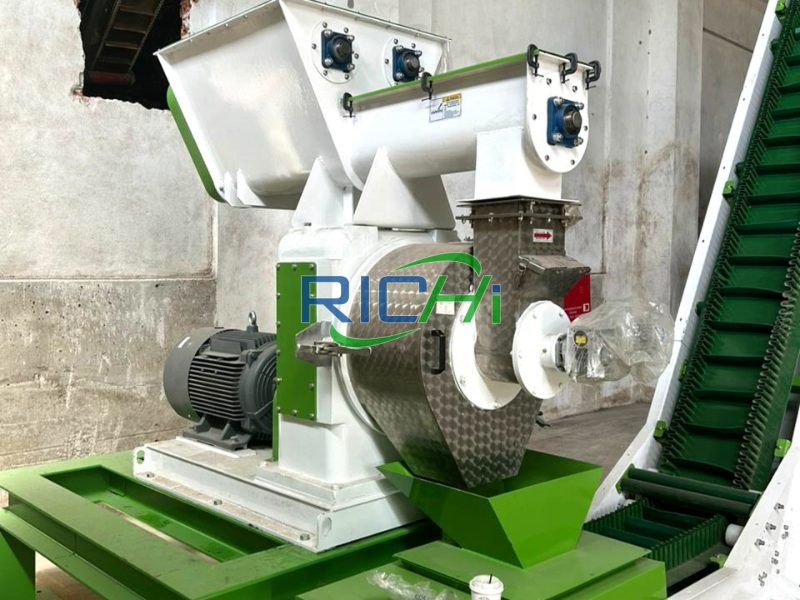
A corn stalk pellet machine is a biomass pelletizing machine specifically designed to process agricultural waste. It primarily compresses corn straw into small, dense pellets. The process typically includes crushing, drying, and pelleting. The resulting pellets can be used as a renewable fuel for heating and power generation, as well as animal bedding.
Compared to directly burning straw, pellets offer advantages such as higher density, more stable combustion, and easier storage and transportation. This not only improves energy efficiency but also saves users long-term operating costs. More importantly, as a renewable, clean energy source, these pellets help reduce carbon emissions and promote the resource utilization of agricultural waste, achieving a win-win situation for both environmental protection and economic benefits.
The corn stalk pelleting machine can also play a role in agricultural breeding and planting. As animal feed, they provide essential crude fiber, improving digestibility and absorption for cattle, sheep, goats, and poultry, while reducing feeding costs. As organic fertilizer pellets, they replenish organic matter in the soil, improving soil structure and promoting the sustainable development of green agriculture.
production capacity
0.2-40T/H
Raw materials
Corn straw and other agricultural and forestry waste and crude fiber raw materials
RICHI MACHINERY
Working Principle of the Corn Stalk Pellet Machine
Check more information on our Youtube channel.
The corn stalk pellet machine is designed to compress loose, high-fiber agricultural waste into compact, high-density pellets. It operates by combining mechanical pressure, friction, and heat to transform raw corn stalk into uniform pellets that are easy to transport, store, and use. Understanding how the machine works can help operators improve efficiency, pellet quality, and extend equipment life.
- Feeding
Crushed and pre-treated corn straw is evenly fed into the machine’s feed port. Our forced feeding system ensures continuous, smooth operation and prevents blockage. - Pressing and Pelletizing
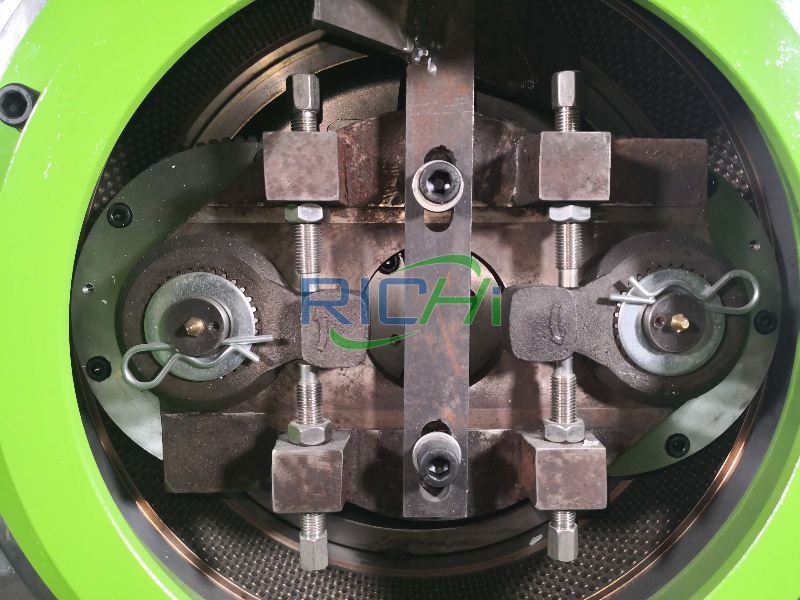
In the pelletizing chamber, rollers forcefully press the straw powder into the holes of a ring or flat die. The high pressure and friction compress the material into high-density pellets, while also removing excess moisture and improving pellet durability. - Forming
The pressed pellets are cut into uniform sizes by a cutter and discharged from the discharge port. The resulting pellets have a smooth surface and high density, making them easy to transport and store. They can be widely used as biomass fuel, animal feed, or organic fertilizer.
RICHI MACHINERY
Technical features of our Corn Stalk Pellet Machine
RICHI’s corn straw pellet machine is designed to convert crop waste into high-value fuel, animal feed pellets, and organic fertilizer pellets. Its robust structure and advanced technology ensure stable operation, high output, and long service life. It provides efficient and cost-effective solutions for diverse customer needs, achieving value-added utilization of waste.
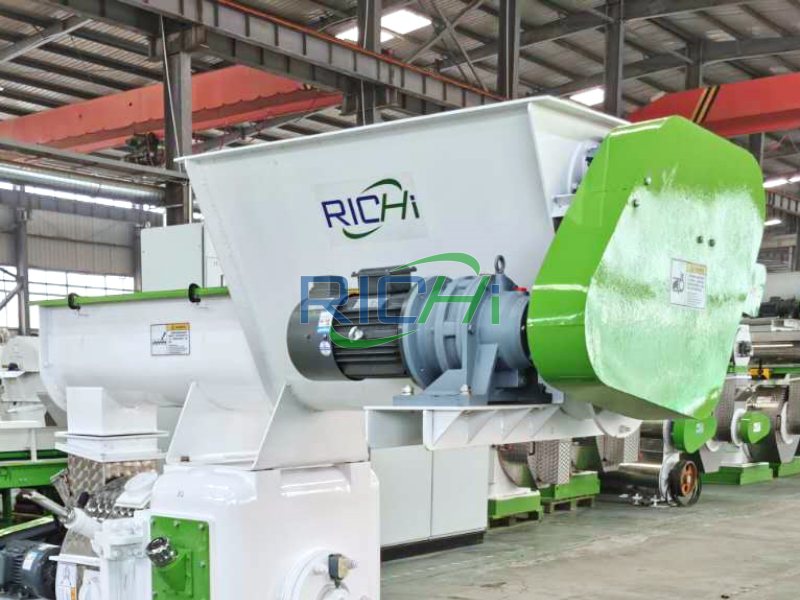
Versatile Applications
It can not only be applied to corn straw, but can also be mixed with wheat straw, rice husks, sawdust and other raw materials to be processed into biomass fuel, animal feed or organic fertilizer pellets.
Easy Operation & Maintenance
The equipment is equipped with an intelligent control system and a simplified structure, which makes operation simple and maintenance convenient, reducing downtime and maintenance costs.
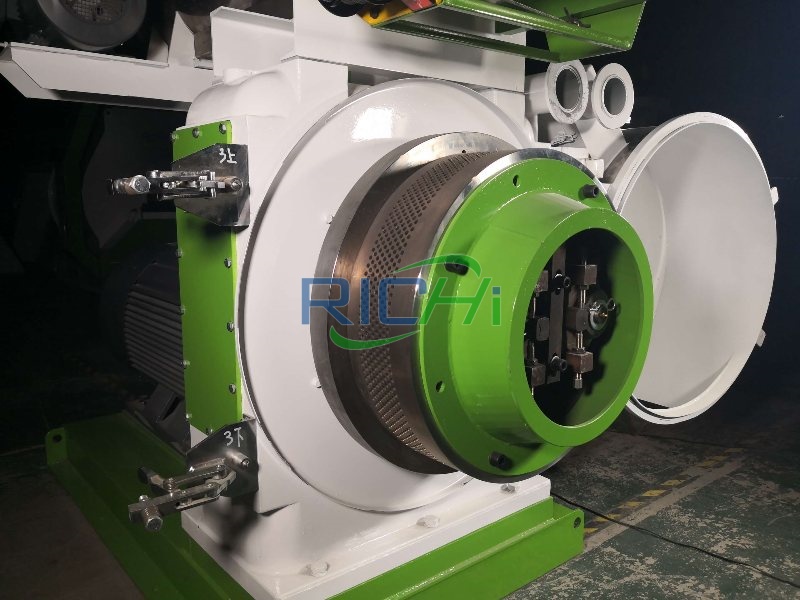
High Efficiency & Output
The equipment is equipped with a high-power motor and a precision gearbox to ensure stable operation and high production efficiency. It is suitable for both small-scale applications and large-scale production needs.
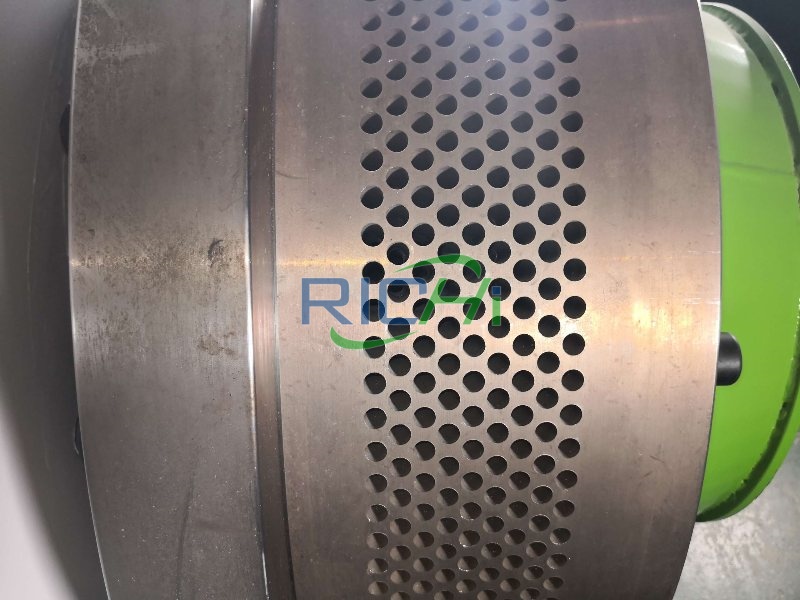
Advanced Pelletizing System
The optimized ring die and pressure roller design effectively improves the pelletizing rate, which not only makes the density of the finished pellets uniform but also reduces energy consumption.
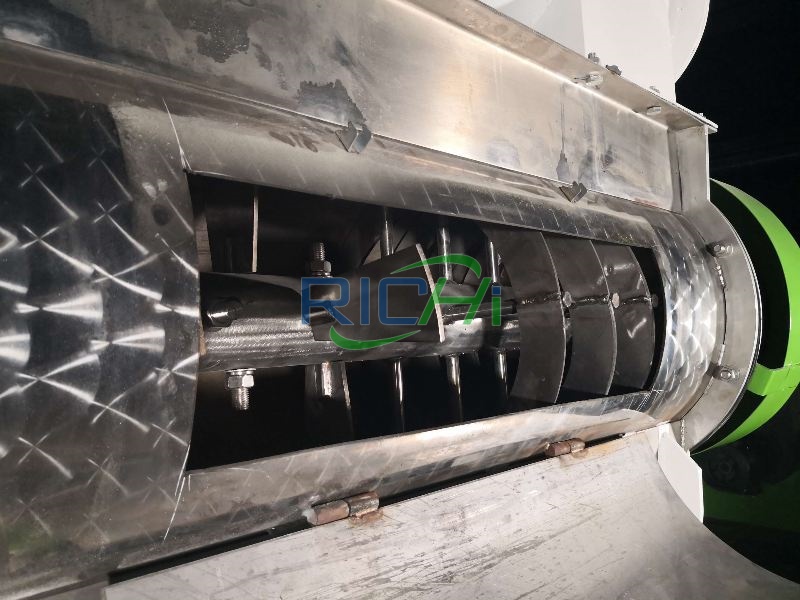
Durable Structure
The machine body and key parts are made of wear-resistant stainless steel and reinforced transmission system to ensure that the equipment can operate stably even under continuous high load.
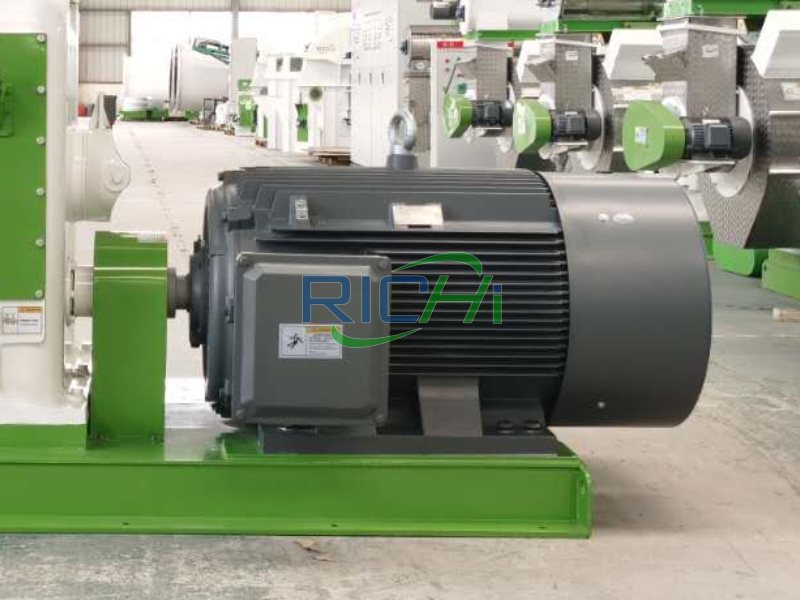
Energy-Saving & Eco-Friendly
The granulation process increases material density, reduces storage and transportation costs, and at the same time supports the use of clean energy and effectively reduces carbon emissions.
Our corn stalk pellet machine delivers a perfect balance of efficiency, durability, and versatility. By converting low-value agricultural residues into high-density pellets, it helps reduce costs, create business opportunities, and promote sustainable development.
RICHI MACHINERY
Specifications & Parameters of Corn Stalk Pellet Machine
When choosing a corn stalk pelleting machine, parameter configuration is one of the most important factors for users. Different models have different characteristics in terms of output, power, die diameter, pellet size, and other aspects. To help users quickly find the right machine, we provide a detailed technical parameter table for easy comparison and reference. Whether you are a biomass pellet processing plant of any size, you can find a model that meets your needs in the table below.
| Model | MZLH320 | MZLH350 | MZLH420 | MZLH520 | MZLH678 | MZLH768 |
| Output (t/h) | 0.2-0.3 | 0.3-0.5 | 1.0-1.2 | 1.5-2.0 | 2.5-3.0 | 3.0-4.0 |
| Main motor power (kw) | 22 | 37 | 90 | 132 | 185 | 250 |
| Forced feeder power (kw) | 0.75 | 0.75 | 1.5 | 1.5 | 1.5 | 1.5 |
| Arch-breaking feeder power (kw) | 2.2 | 2.2 | 3 | 3 | 3 | 4 |
| Ring die diameter (mm) | 320 | 350 | 420 | 520 | 673 | 762 |
| Finished pellet diameter (mm) | 4-12 | |||||
Choosing the right machine with the right parameters not only improves production efficiency but also maximizes the value of raw materials, resulting in higher economic returns. If you have any questions, including questions about choosing the right equipment, please feel free to contact us. We can also provide customized solutions based on your raw material characteristics and production targets.







How to Choose the Right Corn Stalk Pellet Machine
Choosing the right corn straw pellet machine is an important step for investors to achieve success. There are many models and production capacities on the market. When choosing a pellet machine, you should not only consider the price, but also consider the production requirements, raw material characteristics, energy conditions and long-term operating costs.
Consider Your Raw Materials and Moisture Content
When choosing raw materials, you can process corn straw alone or mix it with other agricultural byproducts such as wheat straw, rice husks, and forage grasses for pelleting. Some pellet machines are better suited to processing high-fiber raw materials, while others are less so.
Also, pay attention to the moisture content of the corn straw. If the moisture content is too high, consider using drying equipment. A good pellet machine should be able to maintain stable pellet quality even with slight fluctuations in the raw material ratio and moisture content.
Choose the Right Capacity According to Your Needs
Not everyone needs a large industrial pellet machine. Buying an oversized machine not only wastes investment but also increases power consumption and maintenance costs.
Some customers simply feed their livestock on a small animal feed pellet plant, and a small pellet machine can meet their production needs. Feed mills or biomass energy plants, on the other hand, often require a larger machine for commercial production.
Pay Attention to the Pellet Die and Spare Parts
Because corn stalk fibers are coarse and abrasive, poorly made parts can easily malfunction. When choosing a corn stalk pelleting machine, prioritize models with high-strength alloy steel or stainless steel die and rollers.
Also, ensure these parts are easily replaceable and reasonably priced. A seemingly inexpensive machine that frequently requires replacement parts will often cost more in the long run than a durable machine that initially costs slightly more.
Consider the Manufacturer’s Reputation and After-Sales Service
Even the best equipment will inevitably require technical support, parts replacement, or troubleshooting. This requires the manufacturer to provide comprehensive after-sales service capabilities. A reliable supplier should not only sell you the equipment but also provide installation guidance, operating training, and maintenance support.
Also, check whether they have export experience and established customer relationships in your country. A company with extensive experience and a strong reputation is often more trustworthy than a startup offering a rock-bottom price.
How Corn Stalk Pellet Machine Ensures Efficiency and Quality in Pellet Production Line?
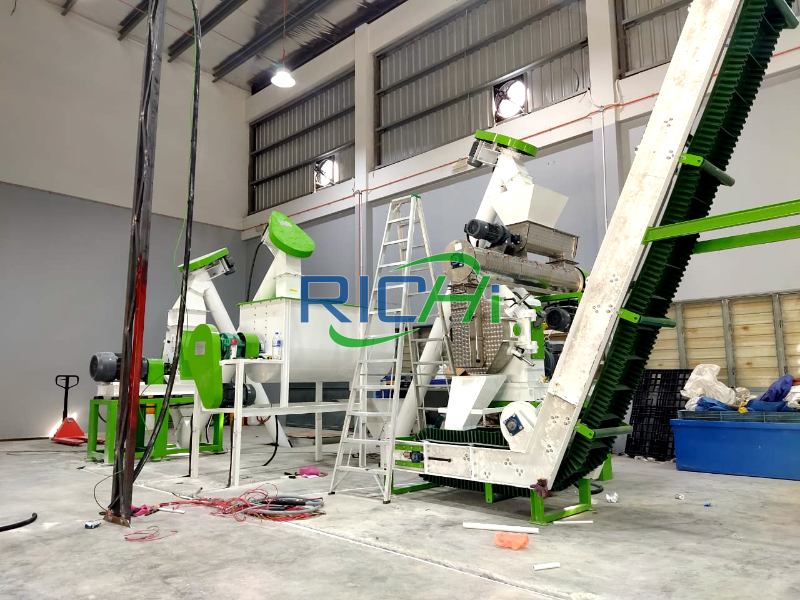
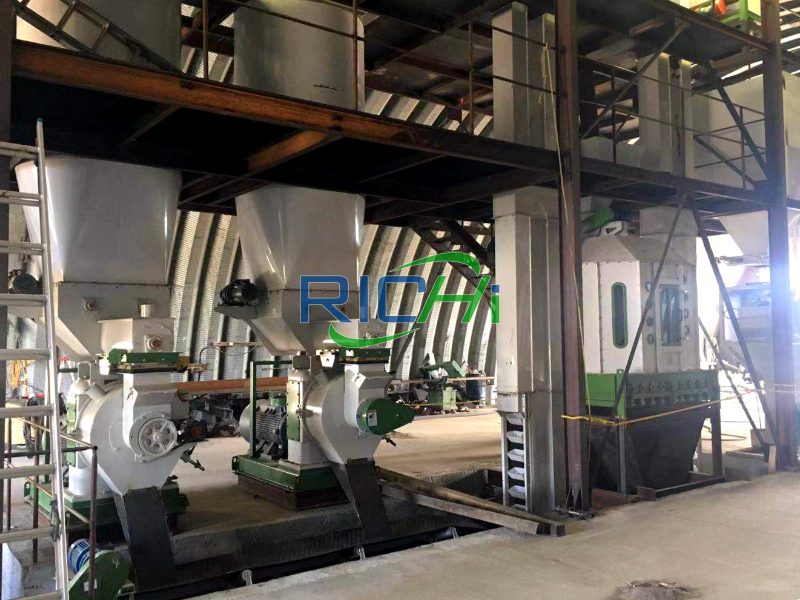
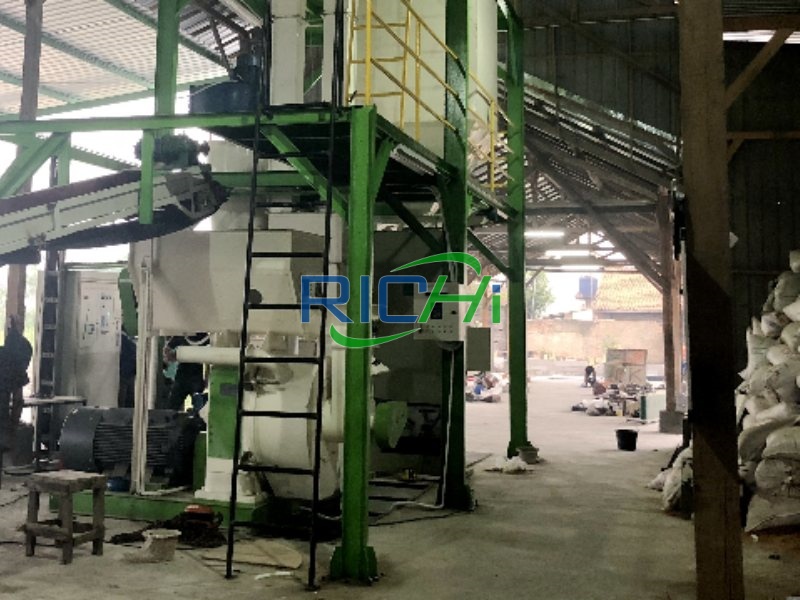
Corn straw pellet production is more than just a simple recycling method; it’s a complete industrial process that transforms agricultural waste into a valuable resource. From raw material collection to feeding, pressing, cooling, and final packaging, every step plays a crucial role in ensuring pellet quality. At the core of this1-1.2tph biomass pellet production line, the corn straw pellet machine directly impacts the efficiency and quality of the final product. Without a reliable pellet machine, the entire production line will be unable to achieve stable output and ensure pellet quality.
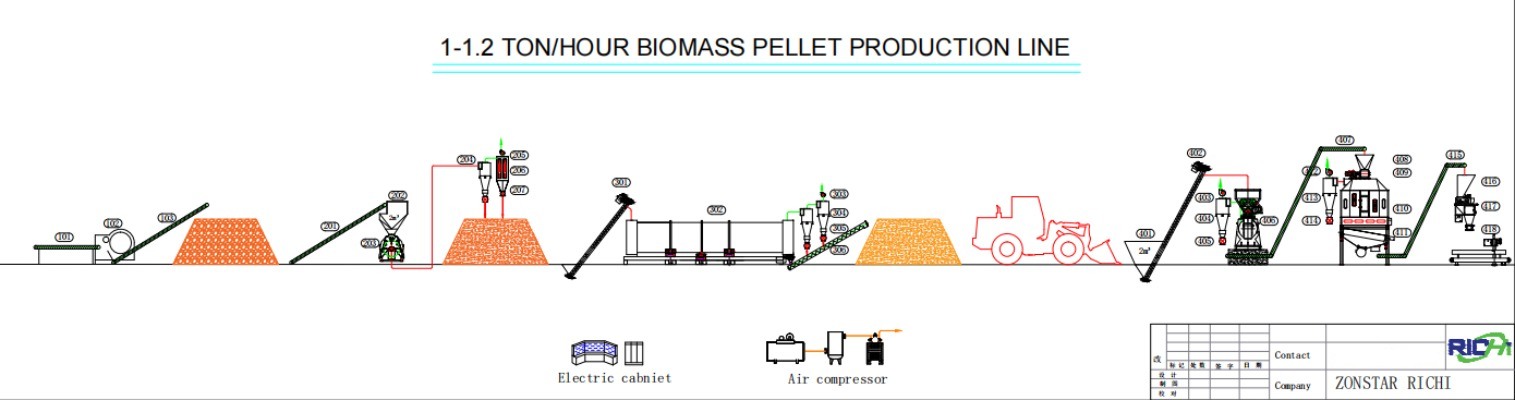
- Raw Material Collection and Preparation: The production process starts with the pretreatment of the raw materials. To facilitate pelleting, the straw must first be crushed or chopped into smaller particles using a crusher and hammer mill to ensure uniform size for subsequent processing.
- Drying: Crushed corn stalk often contains high moisture content, making it unsuitable for direct pelleting. A corn stalk pellet dryer reduces its moisture content to an appropriate range (typically 12–18%) to ensure pellet formability, density, and storage stability.
- Pelletizing: The processed corn stalks are fed into the pellet machine’s feed system, which delivers the material evenly and stably into the pressing chamber. Inside the pressing chamber, the material is squeezed by rollers and forced through the ring die. Under the influence of pressure and frictional heat, the fibers naturally combine to form dense pellets, without the need for chemical additives.
- Cooling and Drying: Freshly pressed pellets are hot and soft and need to be cooled and hardened by a pellet cooler machine for storage and transportation. At the same time, the moisture content of the pellets may be relatively high and they need to be dried in a belt dryer machine.
- Packaging and Storage: The finished granules are packaged using a packaging system to facilitate subsequent transportation and storage.
The entire pellet production line is highly dependent on the corn straw pellet machine. While pretreatment, cooling, and packaging are equally important, the efficiency, quality, and versatility of the final product are determined by the pellet machine. Without a high-performance pellet machine, the production line cannot achieve high output, stable quality, and economic sustainability.

Frequently Asked Questions
When customers consider investing in a corn straw pellet machine, they often have many questions about raw materials, production capacity, operation, maintenance, and long-term benefits. To help you make a better decision, we have compiled some of the most common questions and provided detailed answers based on our technical knowledge and practical experience.
What is a Corn Stalk Pellet Machine?
A corn stalk pellet machine is a biomass pellet making machine specifically designed to process agricultural waste. It primarily compresses corn straw into small, dense pellets. The process typically involves crushing, drying, and pelletizing. The resulting pellets can be used as a renewable fuel for heating and power generation, as well as animal bedding. Compared to directly burning corn straw, pellets offer advantages such as higher density, more stable combustion, and easier storage and transportation.
What raw materials can be used in a corn stalk pellet machine?
Corn stalk pelleting machines are primarily used to process crop straw materials, such as corn stalks, wheat straw, rice husks, and other crop straw. For fuel, as long as the moisture content is appropriate, nearly any dry crop waste and sawdust can be blended and pressed into biomass fuel pellets. For feed, they can also be used in combination with grass, alfalfa, peanut shells, and other feed ingredients to produce high-fiber pellets. Some users also crush the raw materials into smaller particles beforehand to achieve better pelleting results.
Can I use the same machine to produce both feed and fuel pellets?
Generally speaking, this is not recommended. The main reason is that feed pellets and fuel pellets have different equipment requirements. When producing feed, equipment typically requires a conditioner to steam-condition the raw materials, improving the pellets’ maturity and palatability while maintaining nutritional value. Fuel pellets, on the other hand, typically do not require a conditioning step, prioritizing high-density compression and combustion performance.
Therefore, if a single machine is used for both feed and fuel production, it often fails to achieve the desired pellet quality and stability. To ensure optimal performance, we recommend selecting the appropriate model based on your specific application. If you have both feed and fuel needs, you may consider purchasing specialized models for each.
Can I use the Corn Stalk Pellet Machine to make organic fertilizer?
Yes, absolutely. Besides producing feed and fuel pellets, corn stalk pellet machines can also be used to produce organic fertilizer. Corn straw and other crop straw are rich in fiber and organic matter, making them excellent raw materials for composting and soil improvement. Compared to bulk compost, organic fertilizer pellets are easier to store, transport, and apply in the field. They also offer more stable nutrient release, lower odor, and higher market value. If you have organic fertilizer production needs, we can also provide targeted technical guidance and equipment configuration.
| Model | FZLH250 | FZLH320 | FZLH350 | FZLH420 | FZLH520 | FZLH678 | FZLH768 |
| Main Motor Power (kW) | 22 | 22 | 37 | 90 | 132 | 185 | 250 |
| Broken Arch Feeder Power (kW) | 2.2 | 2.2 | 2.2 | 3 | 3 | 3 | 4 |
| Forced Feeder Power (kW) | 0.75 | 0.75 | 0.75 | 1.5 | 1.5 | 1.5 | 1.5 |
| Ring Die Inner Diameter (mm) | 250 | 320 | 350 | 420 | 520 | 673 | 762 |
| Finished Pellet Diameter (mm) | 4~12 | ||||||
| Output (T/H) | 1-1.5 | 2-3 | 3-5 | 6-8 | 9-12 | 18-22 | 22-26 |