
CATTLE FEED FACTORY
Cattle feed factory can produce pellet feed, premixes, and other types of feed suitable for calves, breeding cattle, steers, beef cattle, dairy cows, and other animals. With over 30 years of experience, RICHI Machinery offers customized feed plant solutions tailored to clients’specific raw materials, production requirements, and scale of operations.
Experienced Design Team
World-Leading Technology
50+International Certifications & Patents
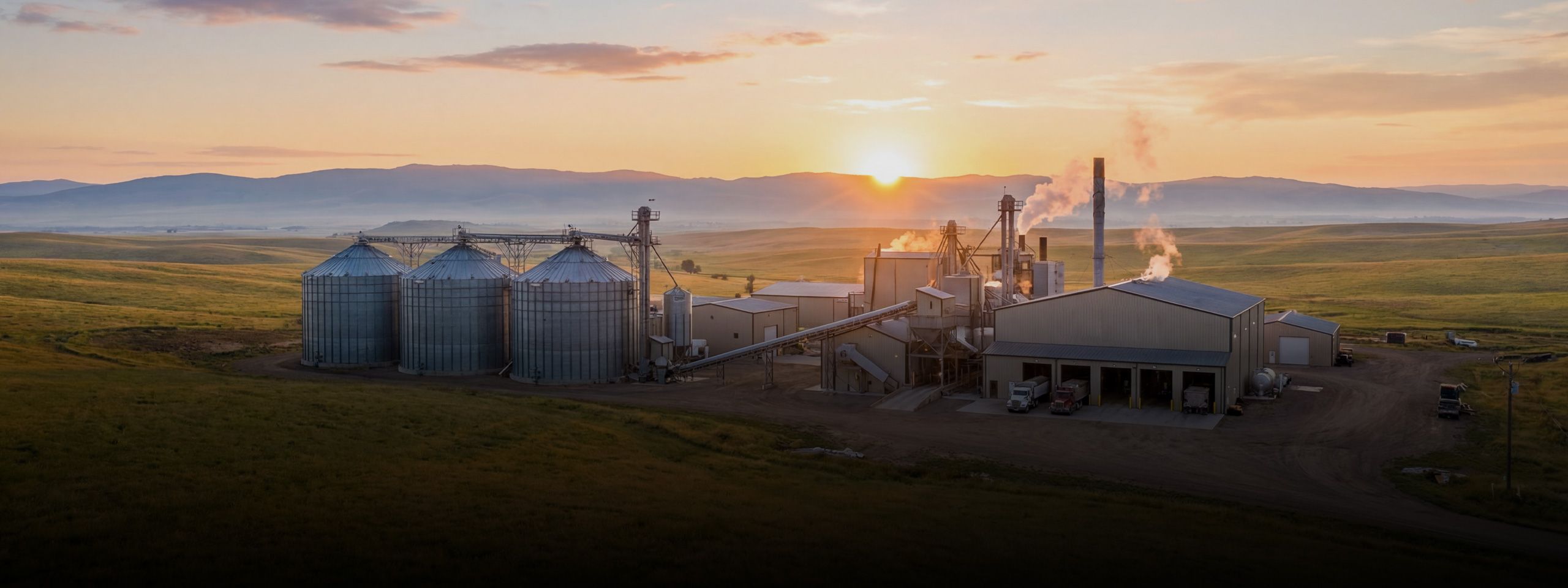
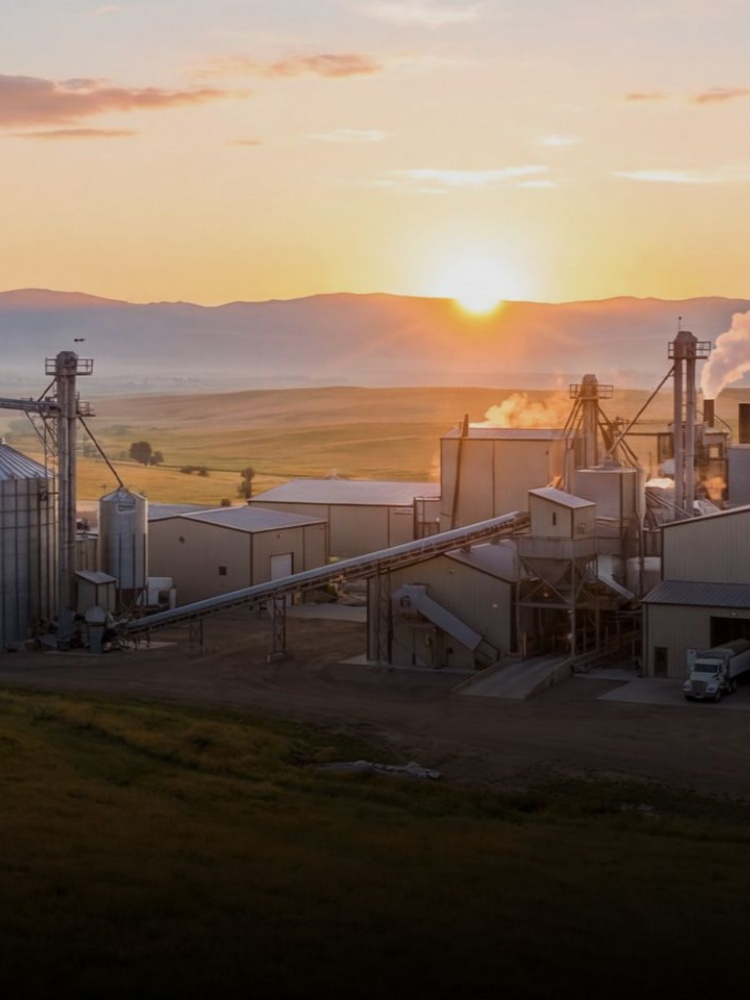
PROSPECTS FOR CATTLE FEED FACTORY
With the rapid development of the livestock industry, the cattle feed processing sector is entering a period of opportunity. The demand for pelleted feed continues to rise, and the advantages of processed feed are significant. Investment in this sector offers attractive returns and considerable market potential.
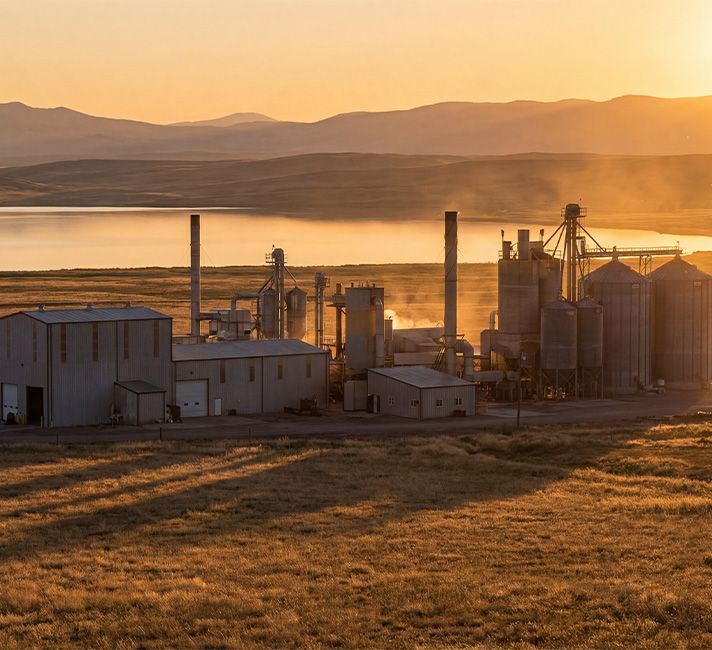
Growing Market Demand
Rising consumption of beef and dairy products drives the demand for high-quality cattle feed.
Advantages of Pelleted Feed
Pelleted feed offers excellent palatability, balanced nutrition, reduced waste, and easier storage and transportation.
Efficient Resource Utilization
Agricultural residues, forage, and grain by-products can be converted into high-value feed, helping to lower production costs.
Attractive Return On Investment
Automated production enhances efficiency, the market potential is substantial, and profits are stable.
LIVE FOOTAGE OF CATTLE FEED FACTORY
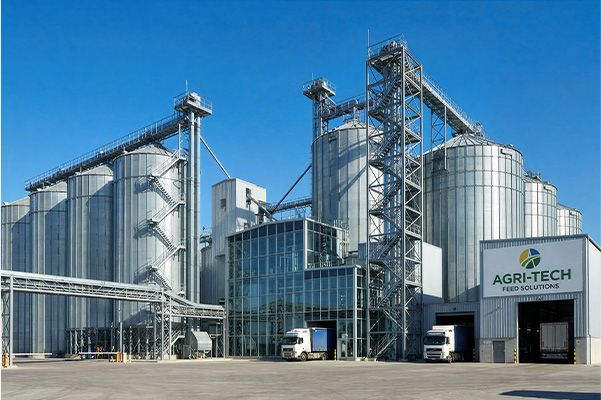

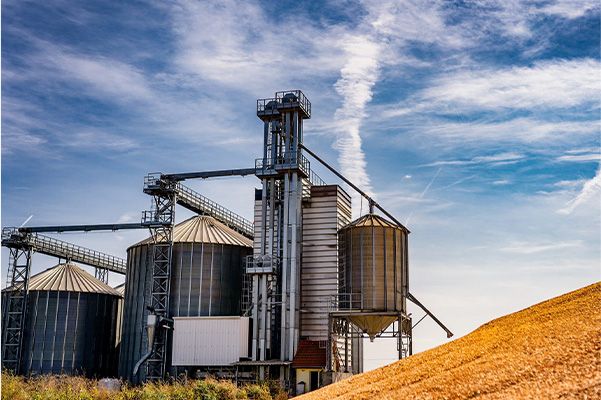
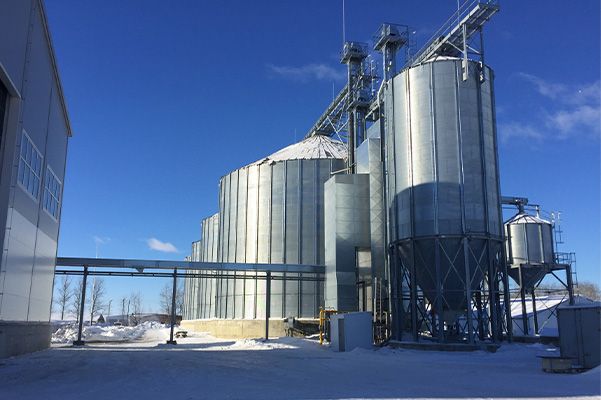
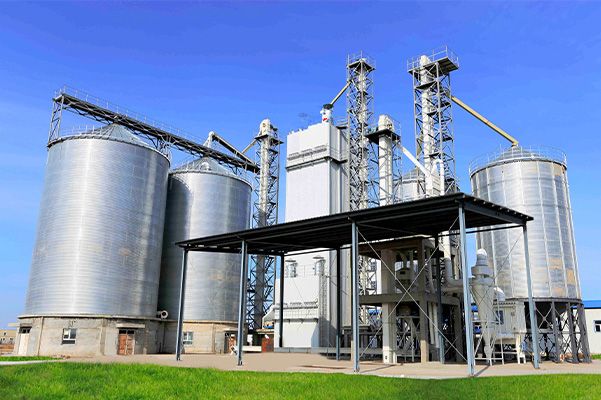
RICHI Machinery is a professional manufacturer of complete feed pellet production equipment, with over 30 years of technical expertise. We have established nearly 2,000 pellet production lines, earning the trust and praise of customers worldwide.Here, we have prepared some videos to give you an inside look at the feed factories we have designed and built for your reference.
HOW TO ESTABLISH A CATTLE FEED FACTORY
Setting up an efficient cattle feed factory is not as complicated as it may seem. By understanding four key steps and choosing the right partner, you can achieve more with less effort. Our company has extensive experience in building cattle feed plants from the ground up, dedicated to helping clients turn reasonable investments into substantial returns.
Market Research And Planning
Analyze the local livestock scale, feed demand, raw material availability, and competitive landscape. Determine the product types, production capacity, and investment budget to lay a solid foundation for your plant.
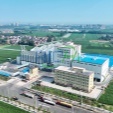
Site Selection and Plant Design
Choose a location with convenient transportation, abundant raw materials, and reliable utilities. Plan warehouses for raw materials, production workshops, finished products, and environmental facilities to ensure smooth operations.
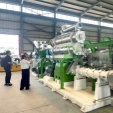
Equipment Procurement And Production Line Construction
Select key and auxiliary equipment—such as pellet mills, grinders, mixers, and conditioners—based on production capacity and raw material types. Design an automated production workflow to achieve high-efficiency operations.
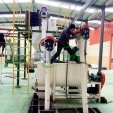
Installation, Commissioning, And Operational Management
After equipment installation and commissioning, conduct trial production and train operators. Establish systems for raw material management, quality control, and sales to ensure stable production and attractive returns.
RAW MATERIALS FOR CATTLE FEED FACTORY
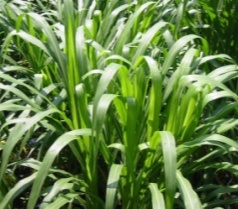
fresh forage
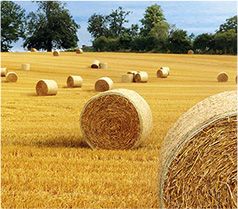
Hay

Cannabis
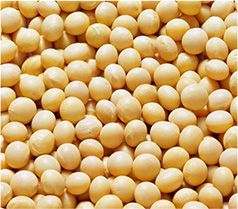
Grains
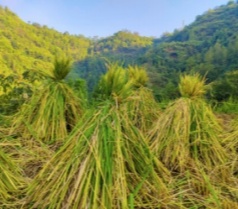
Straw
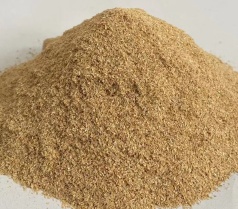
Powdered Materials
Cattle feed processing factories can handle a wide variety of raw materials, including grains, fresh forage, hay, straw, powdered ingredients, and various nutritional additives. Nutritional formulations tailored to cattle at different growth stages can all be processed into pellets. In addition, feed for other types of livestock can also be produced, making the plant highly versatile.
CATTLE FEED FACTORY PRODUCTION LINE PROCESS
A complete pellet production line for a cattle feed factory typically includes the following steps.
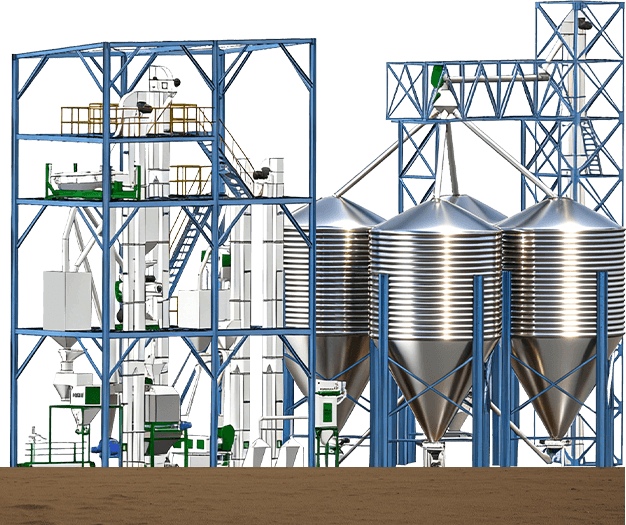
OVERVIEW OF CATTLE FEED FACTORY EQUIPMENT
High efficiency starts with high-quality equipment. We offer a complete range of feed processing machinery and provide tailored solutions for different raw materials and feed plant requirements. Below is an introduction to some of our core equipment.
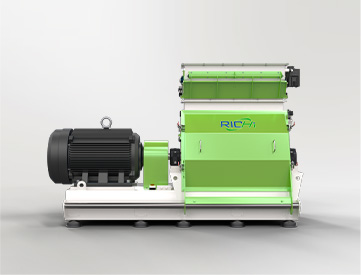
Crusher
Crushers are used to crush raw materials. We offer forage grinders for grasses, straw, and hay, as well as grain grinders for various types of grains.
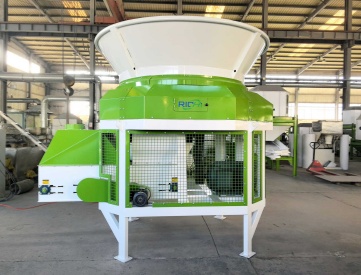
Bale Breaker
Bale breakers are designed to loosen and break compressed raw materials such as straw or hay bales, making them easier to transport, crush, and process.
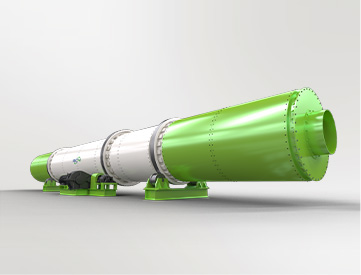
Rotary Drum Dryer
Rotary drum dryers reduce the moisture content of high-moisture materials like forage. Hot air passes through the drum to dry the material efficiently.
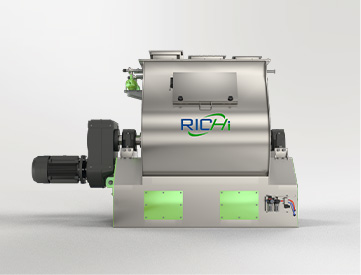
Feed Mixer
Feed mixers blend ingredients evenly according to formulas. We offer high-efficiency mixers for various plant capacities and feed types.
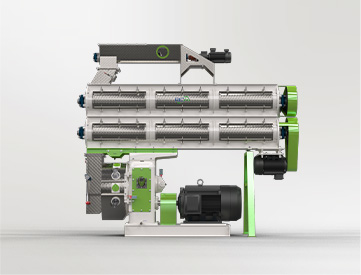
Feed Pellet Mill
The pellet mill is the core equipment of a cattle feed factory. Raw materials are fed into the pellet mill, where rollers and a die compress them into high-quality pellets.
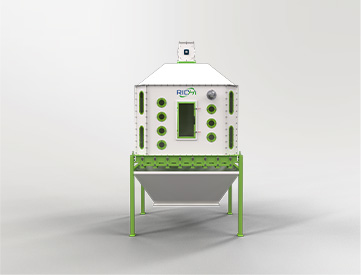
Pellet Cooler
Freshly pressed pellets are typically around 80°C and need cooling to harden, improving durability and preventing breakage during handling and storage.
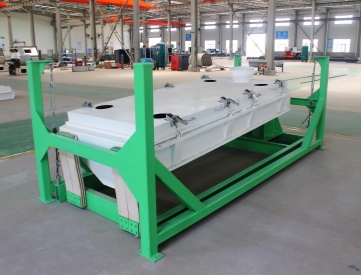
Rotary Grading Sieve
Rotary grading sieves separate finished pellets from broken or undersized material, improving consistency and letting off-spec material return to production.
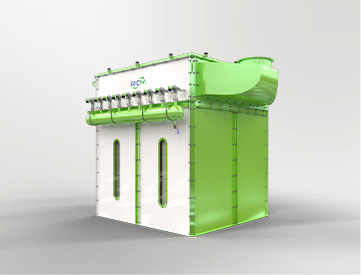
Dust Collection System
Dust collection systems, made of fans, ducts, and bag filters, collect dust from feed processing, improving the working environment and cleanliness.
CATTLE FEED FACTORY CAPACITY
Our cattle feed factories can be built with production capacities ranging from 1 to 60 tons per hour, with the potential to reach up to 120 T/H. These plants are capable of producing cattle feed as well as processing various types of animal feed. We offer the flexibility to build a comprehensive feed processing plant tailored to your specific needs, with scalable production capacities.
1-2 T/H Cattle Feed Factory
3-4 T/H Cattle Feed Factory
5-6 T/H Cattle Feed Factory
10-15 T/H Cattle Feed Plant
20-30 T/H Comprehensive Feed Plant
40 T/H Comprehensive Feed Plant
60 T/H Comprehensive Feed Plant
120 T/H Comprehensive Feed Factory
RICHI CATTLE FEED FACTORY GLOBAL PROJECT CASES
The feed processing factories and pellet production lines we have established are spread across over 140 countries and regions worldwide. Nearly 2,000 production lines serve as a testament to the quality of our technology. The sincere feedback from our clients is the greatest encouragement for us. Below are some of our key projects, which we hope will provide valuable references to help you make informed investment decisions.
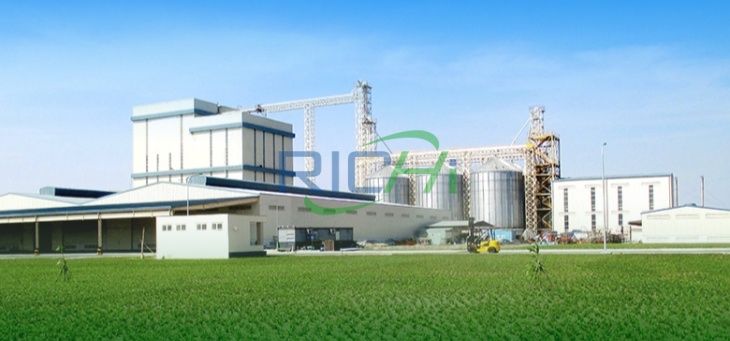
USA 10-12T/H Cattle and Sheep Feed Plant Project
The client is a large-scale local farm and feed supplier, primarily serving ruminant livestock such as cattle and sheep. They sought to expand their feeding methods and explore new sales markets, showing strong interest in our pelletizing solution. During discussions, we learned that the client had a significant demand for high-fiber forage pellets. However, the moisture content of the forage was too high, and direct pelleting posed challenges. To address this, we incorporated a drying section in the design, which successfully enabled the continuous industrial production of high-moisture forage.
- Capacity:10-12Ton/Hour
- Main Raw Materials:Alfalfa, cannabis, other forage grasses, corn, wheat bran, etc.
- Customer Feedback: “The equipment is easy to operate, and the pelleting results for the forage are excellent. Our pellet products are very popular in the market.”
Find Your Solution
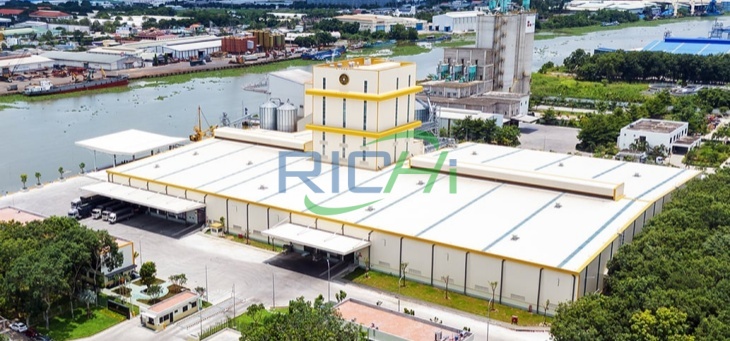
Kazakhatan 120000 Tons/Year Cattle Feed Factory
This project involves a regional feed production enterprise primarily serving large-scale dairy farms. The purpose of the project is to enhance the regional feed supply capability by achieving stable and continuous large-scale production. The client had high demands for the precision of feed formulations and product quality. Based on their requirements, we established multiple pellet production lines with a total capacity of 20-25 T/H. We also provided a solution for large-scale raw material storage and logistics, which was highly appreciated by the client.
- Capacity:20-25Ton/Hour
- Main Raw Materials:Corn, barley, soybean meal, grass hay, alfalfa, etc.
- Customer Feedback: “The feed formulas are precise, product quality stable, and storage and logistics efficient. The solution perfectly meets our needs.”
Find Your Solution
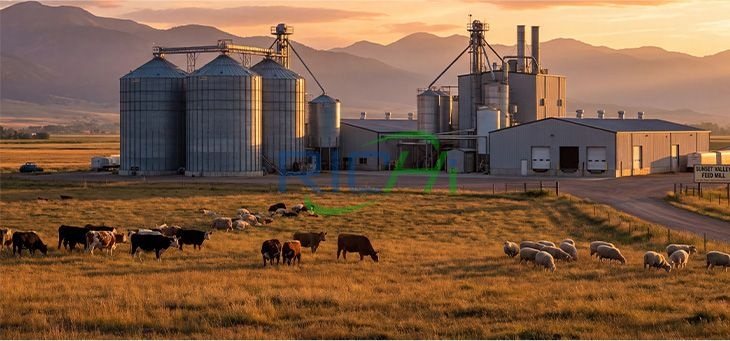
South Africa 5-6T/H Feed Processing Enterprise
This project is with a medium-sized feed processing enterprise in South Africa. The client’s original production model relied heavily on manual operations, which resulted in large discrepancies in ingredient mixing, unstable product quality, and low production efficiency. Moreover, the reliance on manual labor for packaging and handling led to high labor costs and limited capacity, making it difficult to sustain the company’s growth. At the early stages of business expansion, the client wanted to invest in moderate automation to achieve steady upgrades. After multiple planning discussions, we finalized a 5-6 T/H production line solution with a modular design, allowing for future expansion.
- Capacity:5-6Ton/Hour
- Customer Feedback:“We are very satisfied with the current production line. With a reasonable investment, we have significantly increased efficiency and profitability. We have successfully transitioned from a ‘workshop’ to an ‘automated production facility.’ We look forward to working together again when expanding the production line in the future.”
Find Your Solution
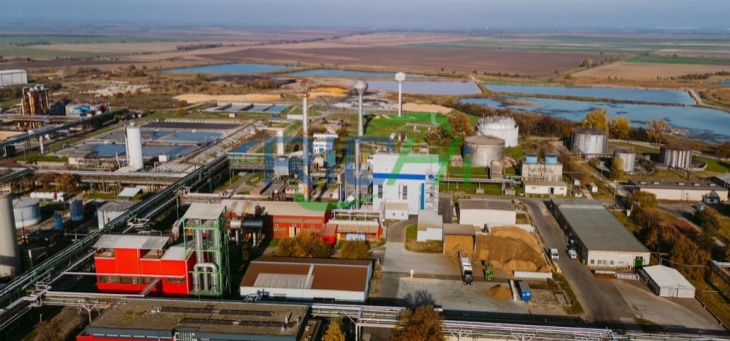
Saudi Arabia 15-16T/H Comprehensive Cattle Feed Factory Project
This client is a new investor in the feed industry. There has been rapid growth in the demand for nutritionally balanced, convenient-to-feed, store, and transport pellet feed in the local market. The client sought to establish a commercial feed processing plant to serve both the cattle and poultry markets. As they lacked experience in building feed plants, after comparing several equipment suppliers, they chose RICHI for a turnkey solution. After several rounds of discussions, we provided a comprehensive plan to build the feed processing plant from the ground up. The client was extremely satisfied, and the subsequent plant construction and production line installation went smoothly.
- Capacity:15-16Ton/Hour
- Main Raw Materials:Corn, soybean meal, bran, premix, etc.
- Customer Feedback:“From the design phase to equipment installation and commissioning, the process was very smooth. We are extremely satisfied with the final results.”
Find Your Solution
CORE ADVANTAGES OF RICHI MACHINERY IN BUILDING CATTLE FEED FACTORY
Technological Advantage
Our technical team is highly experienced and capable, constantly optimizing equipment performance to develop pelletizing technologies with lower energy consumption, higher efficiency, and reduced costs. We design more rational and efficient factory solutions tailored to our clients’ needs.
Quality Advantage
We maintain strict control over the quality of our equipment. All our machines are built using cutting-edge technology and high-wear-resistant materials. The equipment is not only durable but also features additional safety settings and protective devices to ensure reliable performance.
Price Advantage
With over 6,000 square meters of manufacturing space, we have a strong grasp on factory construction costs due to years of technological innovation and large-scale production. This allows us to offer our clients the best return on investment with reasonable pricing.
Service Advantage
We offer comprehensive pre-sales and after-sales services, covering everything from initial technical discussions and factory design to equipment transportation, installation, and commissioning. This ensures a one-stop, hassle-free, and reassuring experience for our clients.
Customization Advantage
We can design and build factories based on specific client requirements, including raw material characteristics, market positioning, production capacity needs, environmental layout, and local working conditions.
Energy-Saving and Environmental Advantage
Our cattle feed plants are optimized for energy efficiency, using high-performance, low-energy-consuming equipment. Additionally, we can incorporate dust removal systems and other eco-friendly features as per client requirements, ensuring compliance with environmental regulations and reducing dust emissions.
RICHI MACHINERY
Since its establishment in 1995, RICHI Machinery has continuously set new heights in the feed processing equipment industry. We remain committed to technology-driven development, constantly breaking new ground. We continue to invest in product research and development as well as factory design, always focusing on customer needs and providing precise and reliable solutions.
OTHER CUSTOMIZABLE FEED PROCESSING FACTORY PROJECTS
In addition to the cattle feed factory, we also offer customized design solutions for various types of feed processing plants.
Livestock and Poultry Feed Factory
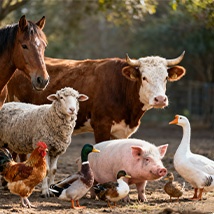
We specialize in building feed processing plants for all livestock and poultry, offering multi-formula production to meet nutritional needs at different growth stages for large-scale, standardized feed supply.
Pet Food Factory
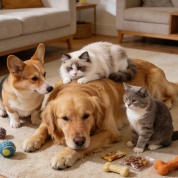
We offer tailored solutions for constructing processing plants aimed at the pet food market. These plants are designed to produce high-quality pet food that meets the nutritional and palatability demands of premium pets.
Poultry Feed Factory
We design feed processing plants specifically for broiler chickens, laying hens, and waterfowl. Our solutions are tailored to the unique needs of poultry farming, improving feed conversion rates and ensuring higher efficiency.
Pig Feed Factory
We provide customized feed processing solutions for piglets, growing pigs, and other stages of pig farming. Our systems ensure balanced nutrition in feed pellets, enhancing growth rates, overall health, and supporting efficient farming practices.
Sheep Feed Factory
We offer specialized production lines for processing feed pellets for ruminant animals, focusing on the balanced treatment of various nutrients. These plants are ideal for large-scale farms or feed processing companies, ensuring stable, high-quality production.
Aquatic Feed Processing Plant
Our feed processing lines are designed to meet the specific needs of both floating and sinking aquatic feeds. These plants are optimized to increase feed utilization, enhance farming efficiency, and improve profitability in fish and shrimp farming.
Cat Food Processing Plant
We provide customized processing lines for manufacturing high-quality cat food. The production lines ensure refined processing techniques to deliver nutritionally balanced, highly palatable food that meets the dietary needs of cats at all stages of life.
Dog Food Processing Plant
Our custom-designed dog food production lines support various production scales and formulas. These solutions cater to the health and nutrition needs of dogs, helping brands differentiate themselves in the market.
CUSTOMIZED SOLUTIONS
We offer a wide range of customizable feed factory types, with capacities ranging from 1 to 60 tons per hour or more. Depending on the specific feed requirements for different animals, we apply targeted optimization measures to each processing factory, ensuring highly adaptable and customizable production line designs.
FAQ
FREQUENTLY ASKED QUESTIONS
If you are looking to establish a cattle feed processing plant and want to maximize your investment returns, feel free to contact us anytime!
+
What types of cattle feed can the processing plant produce?
Our cattle feed processing lines are capable of producing pellet feed for various types of cattle, including calves, breeding cows, heifers, beef cattle, and dairy cows. We support multiple formulations, including pellet feed, concentrate feed, and functional feed, to meet the nutritional needs at different farming stages.
+
What raw materials can be used in the production line?
Our production lines are capable of processing a wide range of raw materials for cattle feed, including grains, forage, straw, and powdered materials. These can all be processed into feed pellets, ensuring balanced nutrition for animals and convenience in feeding.
+
How scalable is the production line?
Our production lines are designed with modularity in mind, allowing equipment to be added in various sections as needed. This makes it easy to upgrade production capacity and supports future expansion.
+
Can the line process wet or silage materials?
Yes, our production lines can be equipped with drying processes specifically designed for raw materials with high moisture content. Whether the material is too dry or too wet, our production lines are capable of handling it effectively.
+
Can multiple feed formulations be produced simultaneously?
Yes, the RICHI cattle feed production line is equipped with multiple silos and an automatic batching system. This allows for quick switching between different formulations, improving production flexibility and efficiency, while helping customers reduce inventory pressure and raw material waste.
+
What are the benefits of processing cattle feed into pellets?
There are many practical benefits to processing cattle feed into pellets, particularly in terms of nutritional efficiency, storage management, and economic benefits:
Improved Palatability
Pellet feed is uniform in shape and size, and its texture is optimized for better palatability. Cows are more likely to consume it, reducing selective eating behavior.
More Balanced Nutrition
During the pelleting process, various ingredients are thoroughly mixed, ensuring each pellet has a consistent nutritional value and preventing nutritional imbalances caused by selective feeding.
Reduced Waste and Pollution
Loose feed types are varied and can easily remain in the feeding environment, leading to raw material waste and environmental pollution.
Easier Storage and Transport
Pellet feed has a high density and small volume, making it less susceptible to moisture absorption and mold. It is easier to package, transport, and store for long periods.