
Hemp Pellet Machine
Hemp pellet machine is a professional solution for converting hemp biomass into high-density fuel or animal feed pellets. It combines advanced compression technology with a durable structure to ensure consistent performance and long service life. Ideal for commercial production, it helps you maximize resource utilization and reduce energy costs.
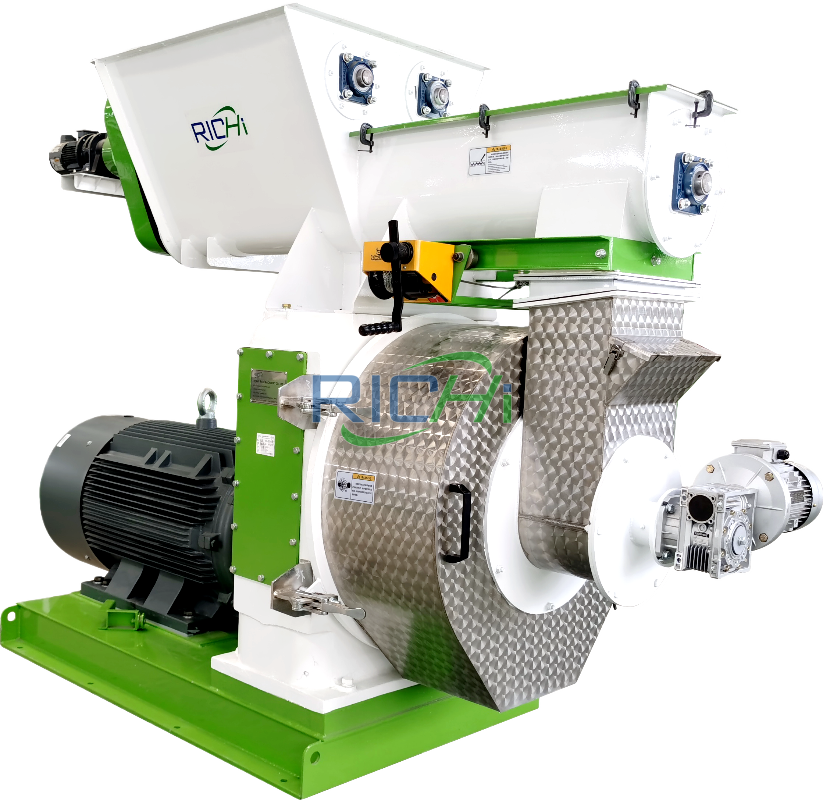
What is the hemp pellet machine?
A hemp pellet machine is a specialized biomass pellet making machine used to process hemp stalks, hemp cores, and agricultural residues into high-density biomass pellet fuel. The resulting hemp pellets can be used as clean fuel in heating systems, boilers, and power plants, as well as as animal bedding, organic fertilizer, and even animal feed, achieving efficient resource reuse.
The working principle of a hemp pellet mill is based on high-pressure mechanical extrusion and friction heating. The crushed and dried raw materials are fed into the ring die pelleting chamber, where rotating rollers expel the material from the die holes under high pressure, and then it is cut into shape. The entire process significantly improves the utilization rate of agricultural by-products and effectively reduces environmental pollution, making it an important piece of equipment for promoting sustainable energy and ecological agriculture.
Modern hemp pellet machines are available in a full range of models with flexible capacity, from small units with a capacity of 0.2-0.3 t/h suitable for small production lines to large units of 40 t/h for industrial production, all of which can be customized. The equipment utilizes wear-resistant materials, an energy-saving motor, and an intelligent control system, ensuring stable operation, low energy consumption, and a long service life. It is an ideal device for biomass energy and ecological aquaculture.
This equipment has a wide range of applications, covering multiple industries:
- Biomass pellet production line: It is used to produce high-calorific-value biomass fuel pellets, suitable for boilers, stoves, and biomass power plants. Investors can achieve green and sustainable benefits by building fuel pellet production projects.
- Animal feed processing: Mixing hemp stalk powder with other raw materials can produce nutrient-rich feed pellets, suitable for animal feed pellet plants, cattle feed production lines, poultry feed pellet plants, and fish feed mill plants.
- Livestock bedding applications: Hemp stalk pellets are soft, dust-free, and highly absorbent, making them ideal for use in horse farms, rabbit hutches, and poultry farming.
- Organic agriculture: The ash from burning hemp stalks or the crushed pellets can be returned to the fields as fertilizer rich in potassium and organic matter.
Working video of hemp pellet machine
We have prepared two videos for you to gain a more intuitive understanding of the RICHI hemp pellet machine and its pelleting process. The first video is an exterior demonstration, focusing on the overall structure and main components of the equipment. Through this video, you can clearly see the machine’s compact design, high-quality materials, and industrial-grade manufacturing standards, demonstrating its stable operation and long-term durability. The second video is a demonstration of the pelleting process, showcasing the entire pelleting process. The video also demonstrates the complete combustion and high calorific value of hemp stalk pellets, visually illustrating that hemp stalk pellets are a highly promising clean and renewable fuel suitable for boiler heating and biomass energy systems.
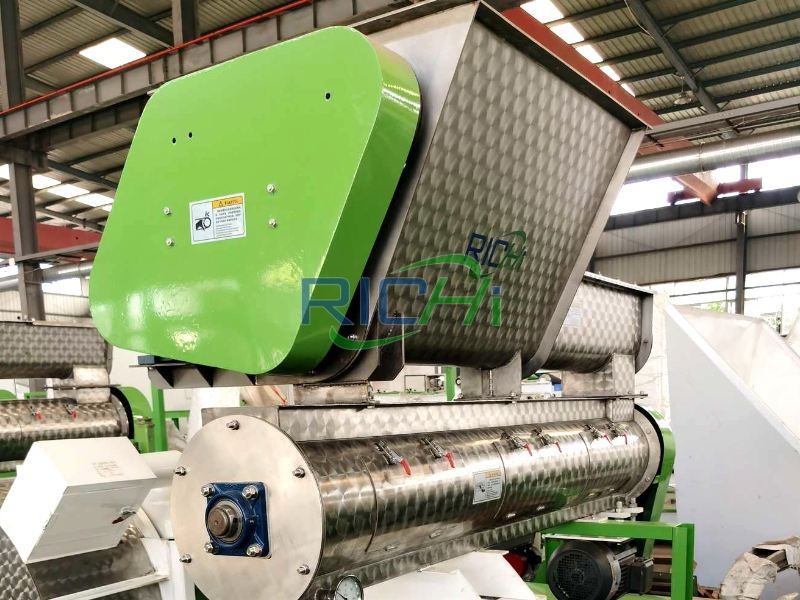
Core component of hemp pelletizer
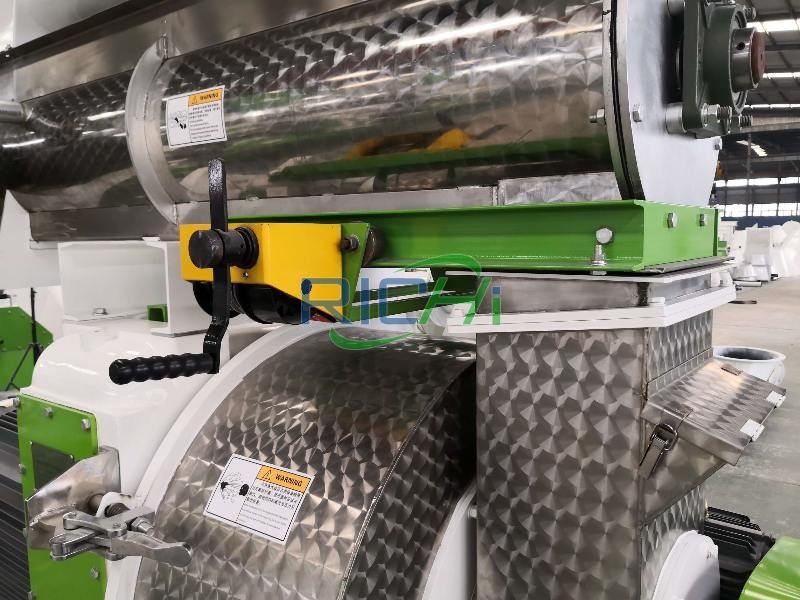
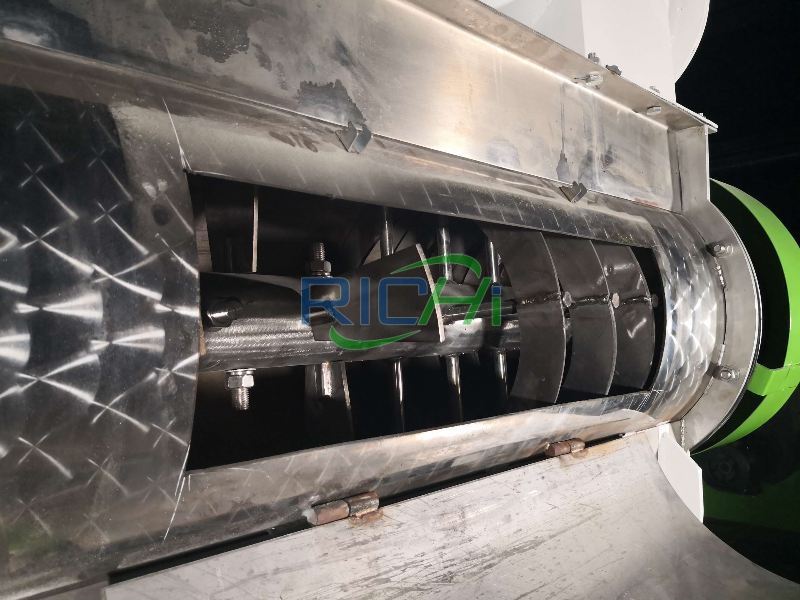
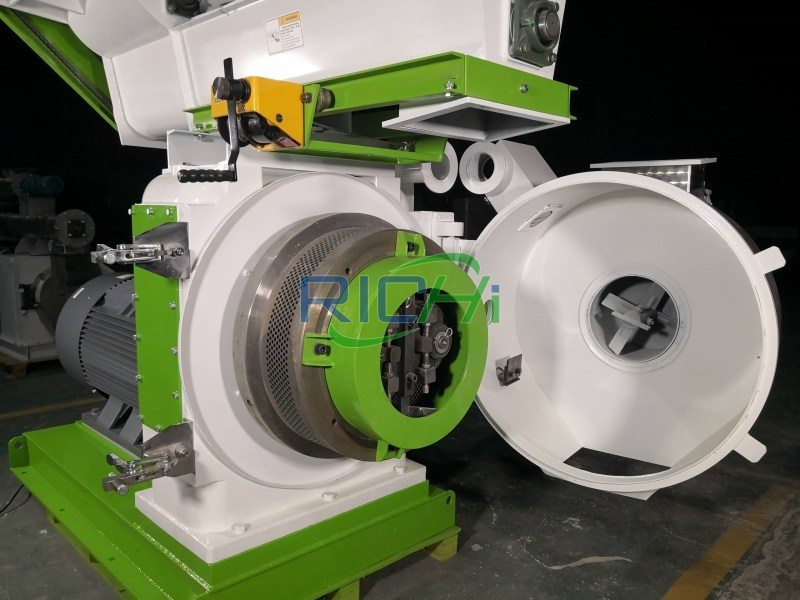
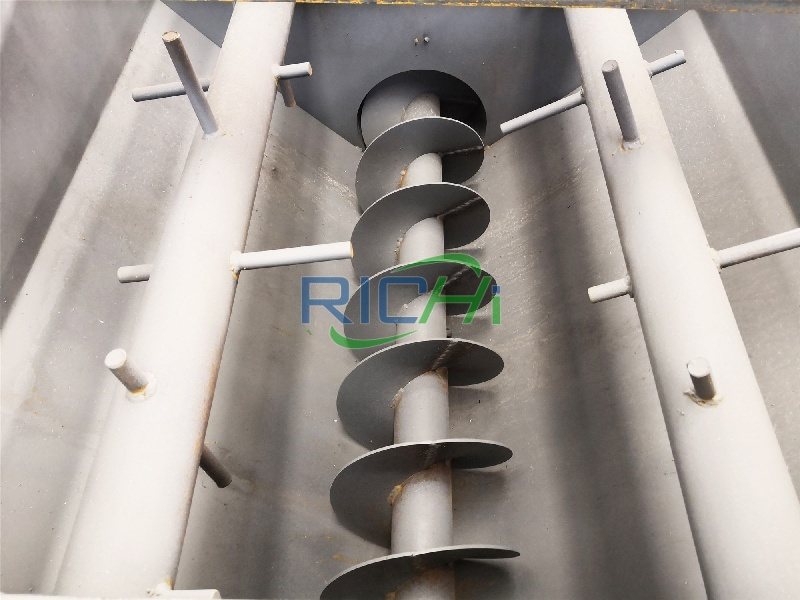
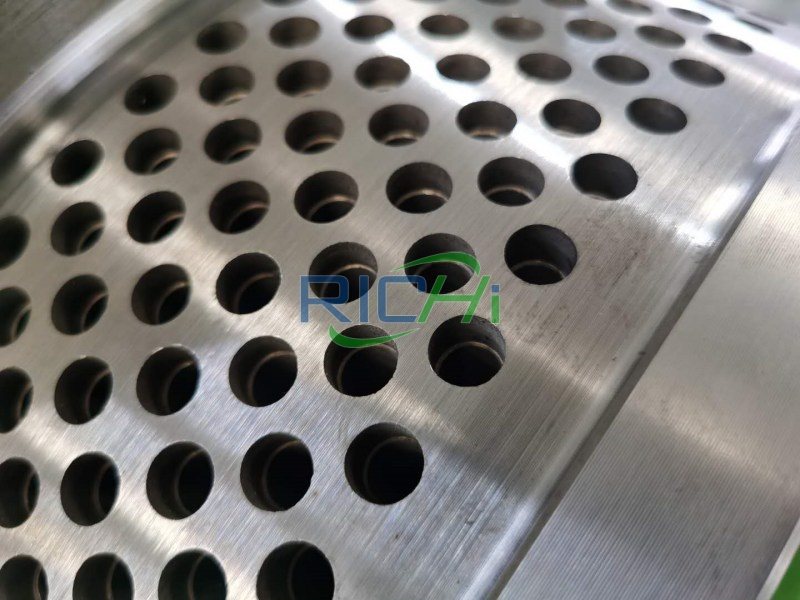
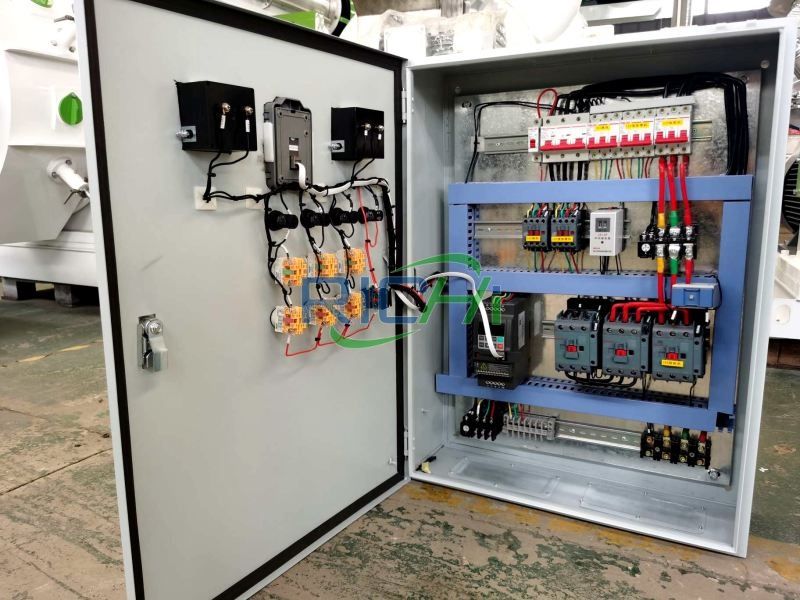
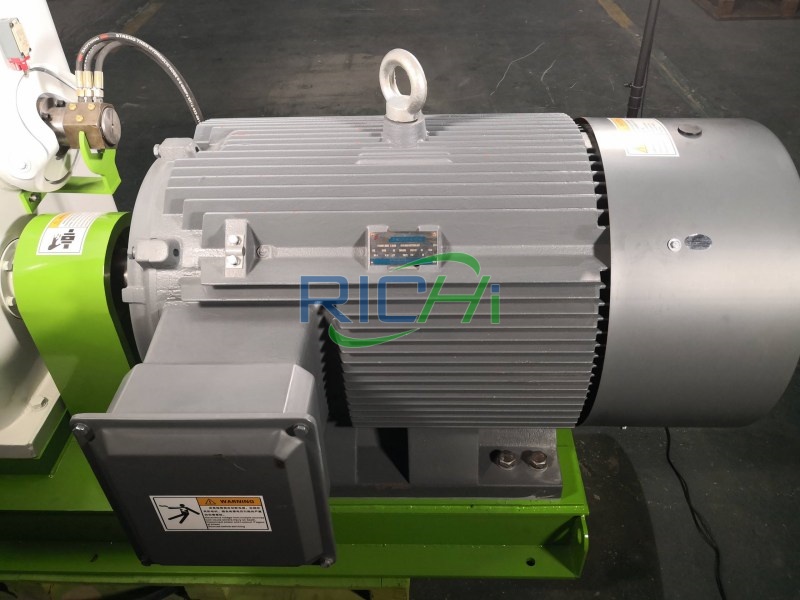
To ensure long-term stable operation and high output, every key component of the hemp pellet machine has been meticulously designed and manufactured. From the feeder and conditioner to the ring die and main motor, each part plays a vital role in the efficient pelleting process. The following showcases the main structural components of the equipment to help you gain a more intuitive understanding of its advanced design and superior manufacturing quality.

Key technical characteristics of hemp pellet machine
The key technical features of a hemp pellet machine determine its production efficiency, durability, and pellet quality. Understanding these features helps in selecting equipment that meets production needs and ensuring stable, high-quality pellet output.


Heavy-duty structure with high-strength steel frame
The main body of the hemp pellet machine is made of thickened carbon steel or stainless steel, providing excellent stability and durability during long-term operation. The rigid frame minimizes vibration and noise, ensuring continuous and safe pelletizing performance.
Precision-engineered ring die and rollers
The core pelletizing chamber uses a high-alloy steel ring die and double rollers, processed through CNC heat treatment for superior hardness and wear resistance. This structure ensures uniform pellet density and smooth surface finish.
Advanced gearbox transmission system
The equipment uses direct-drive gear transmission, which significantly improves mechanical efficiency compared to belt drive. The sealed gearbox features an automatic lubrication design, resulting in low maintenance, long service life, and stable transmission.
Intelligent control and automatic protection
Equipped with an intelligent PLC control system, the machine automatically monitors motor load, temperature, and lubrication conditions. Overload and overheating protection prevent damage and downtime.
Efficient feeding and conditioning unit
The conditioner allows steam or hot air injection to preheat and soften hemp fibers, improving pellet quality and reducing wear on mechanical parts. The variable-speed feeder ensures uniform feeding and prevents clogging.
Modular design for easy maintenance and customization
The modular structure makes it easy to disassemble, clean, and replace components. Customers can choose different die apertures, materials, and optional devices (such as dust collectors or cooling systems) according to their production needs.
Different Models & Specifications With hemp pellet machine
RICHI Machinery offers a full range of hemp pellet machines to meet the diverse needs of users of all sizes worldwide in terms of capacity and raw material processing. Each model is meticulously designed to ensure stable, efficient operation and consistent pellet quality. Different models vary in output, motor power, and ring die size, allowing users to freely choose the most suitable configuration based on their needs.
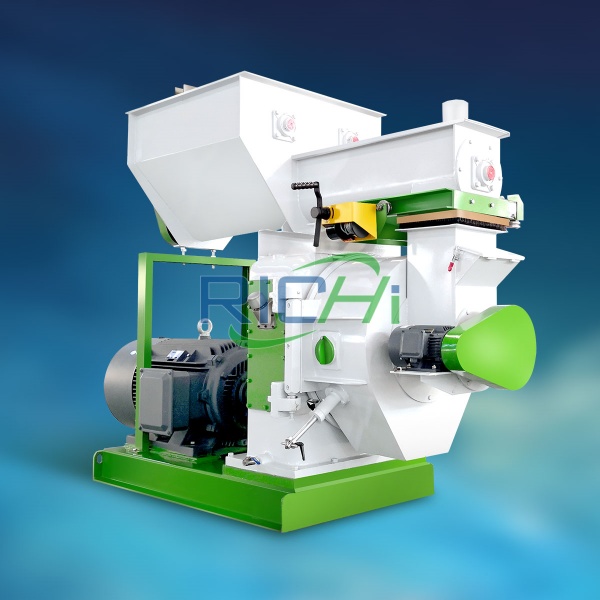
MZLH320 Small Hemp Pellet Machine
- Main motor power (kW): 22
- Arch-breaking feeder power (kW): 2.2
- Forced feeder power (kW): 0.75
- Ring die inner diameter (mm): 320
- Output (T/H): 0.2-0.3
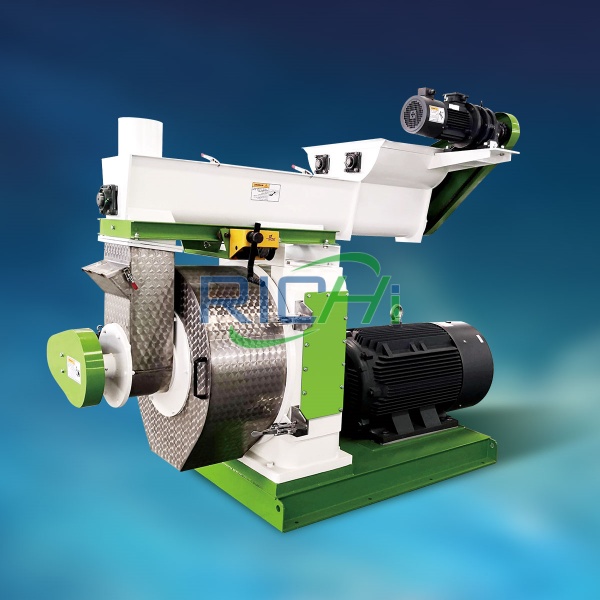
MZLH350 Hemp Pellet Mill
- Main motor power (kW): 37
- Arch-breaking feeder power (kW): 2.2
- Forced feeder power (kW): 0.75
- Ring die inner diameter (mm): 350
- Output (T/H): 0.3-0.5
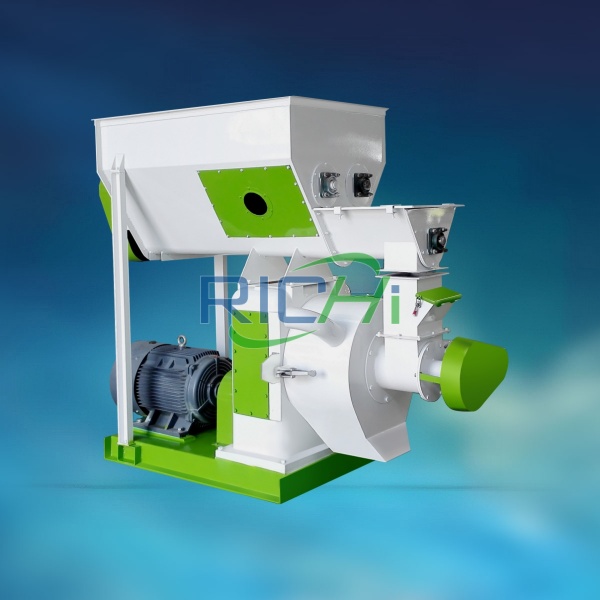
MZLH420 Pellet Machine For Hemp
- Main motor power (kW): 90
- Arch-breaking feeder power (kW): 3
- Forced feeder power (kW): 1.5
- Ring die inner diameter (mm): 420
- Output (T/H): 1-1.2
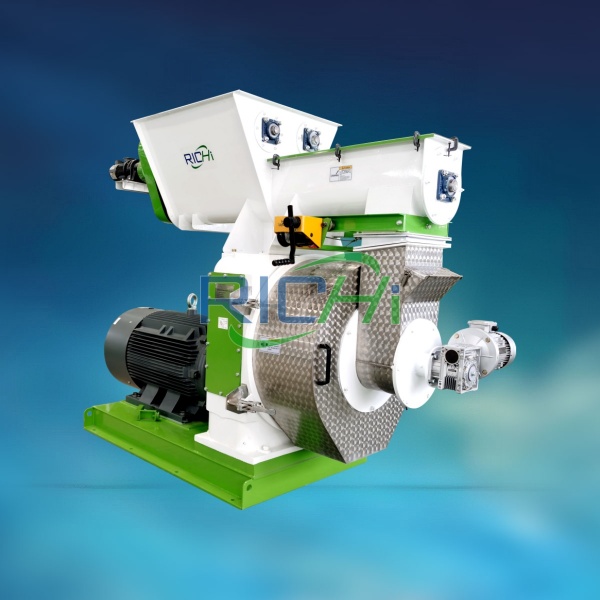
MZLH520 Hemp Biomass Pellet Machine
- Main motor power (kW): 132
- Arch-breaking feeder power (kW): 3
- Forced feeder power (kW): 1.5
- Ring die inner diameter (mm): 520
- Output (T/H): 1.5-2
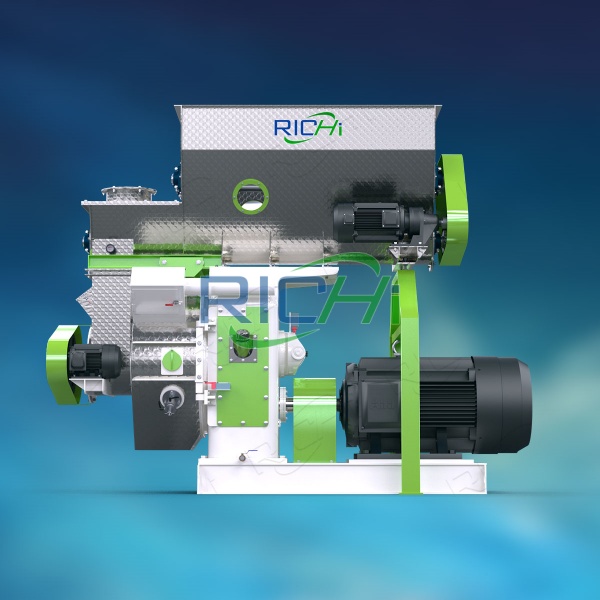
MZLH678 Hemp Pellet Machine
- Main motor power (kW): 185
- Arch-breaking feeder power (kW): 3
- Forced feeder power (kW): 1.5
- Ring die inner diameter (mm): 673
- Output (T/H): 2.5-3
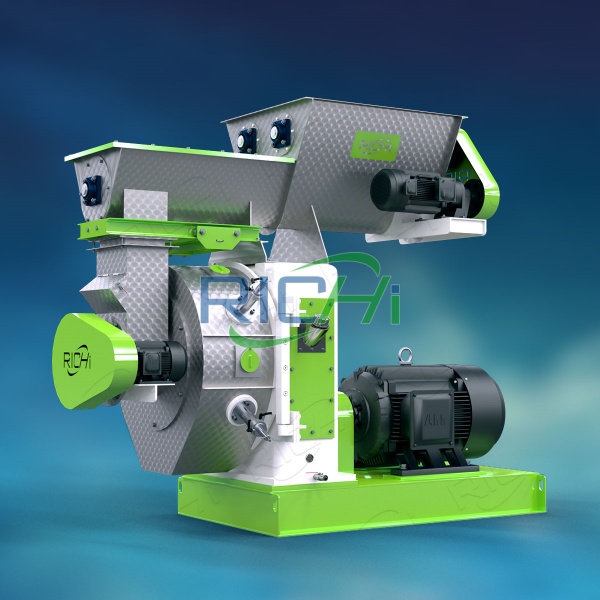
MZLH768 Industrial Hemp Pellet Machine
- Main motor power (kW): 250
- Arch-breaking feeder power (kW): 4
- Forced feeder power (kW): 1.5
- Ring die inner diameter (mm): 762
- Output (T/H): 3-4

How to Produce Hemp Pellets
Producing high-quality hemp pellets requires a standardized and precise process. RICHI’s advanced hemp pellet mills efficiently transform hemp stalks, leaves, and processing residues into dense, durable, and clean-burning biofuel or animal feed pellets. The following details the hemp pellet production process—from raw material collection to final packaging—to help you understand how to revitalize agricultural waste and create new sustainable value.
1
Raw Material Collection and Preparation:
The raw materials, such as hemp stalks, hemp leaves, and hemp chips, mainly come from farmland or processing plants. The raw materials need to be cleaned first to remove stones, soil, and metal impurities to ensure that the pelleting process is safe and efficient.
2
Crushing Section:
This step uses a hammer mill to pulverize the raw materials into small particles of 3-5mm, facilitating subsequent drying and pelleting.
3
Drying Section:
The pulverized hemp stalks typically have a high moisture content, which is reduced to 12-18% using a drum dryer. Uniform drying ensures consistent particle density and stable combustion performance.
4
Pelletizing Section:
The dried raw material enters a hemp pellet machine via a feeding system, where it is pressed into pellets under high temperature and pressure using a stainless steel ring die. The extruded pellets are dense, smooth, and uniform in shape.
5
Cooling and Screening:
Fresh pellets leave the press at around 70–90°C and must be cooled to room temperature using a pellet cooler machine. Then, a vibrating screener removes dust and fine powder, ensuring uniform pellet size and cleanliness.
6
Packing Section:
The finished hemp pellets are automatically weighed and packed by a pellet packing machine for transport and sale.
Global Cases of RICHI Hemp Pellet Mill
With over 30 years of industry experience, RICHI Machinery has successfully delivered hemp pellet machines and related biomass equipment to more than 140 countries and regions. These examples not only demonstrate the reliability of RICHI equipment but also showcase the global trust and proven performance of our solutions in biomass fuel production and feed pellet processing.

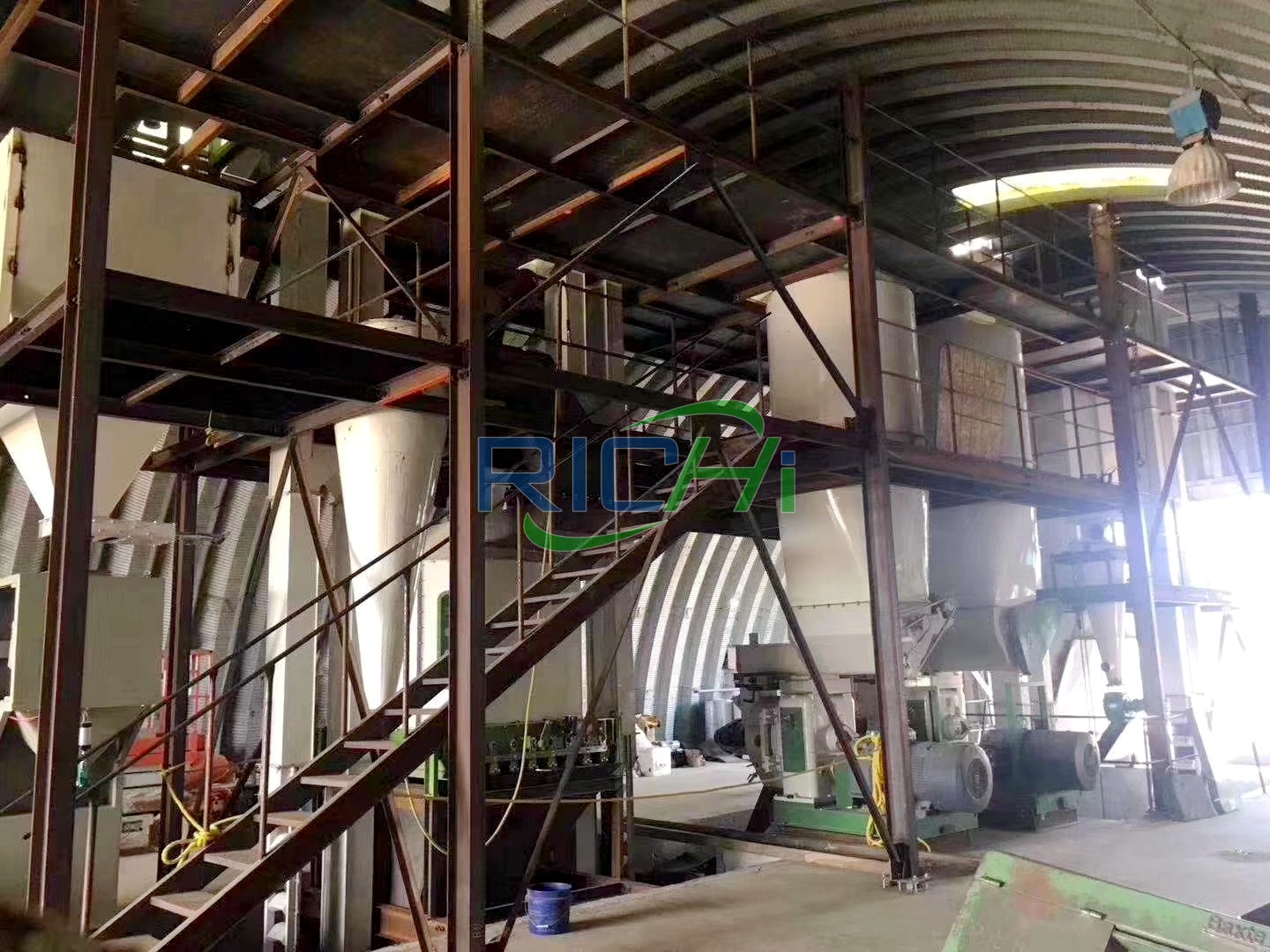
hemp pellet machine for sale poland
- Production Capacity: 1.2T/H
- Project Country: Poland
- Project Background: This 1.2T/H hemp pellet production line is located in central Poland, designed to convert hemp stalk residues into renewable biomass fuel. The project integrates crushing, drying, pelletizing, cooling, and packaging systems, providing a complete solution for small-scale industrial production. The line efficiently transforms agricultural hemp waste into high-quality fuel pellets suitable for local heating applications.
- Client Feedback: “We are very satisfied with the stable operation of the line and the consistent quality of the pellets. It is easy to operate and maintain, and the energy consumption is lower than we expected.”
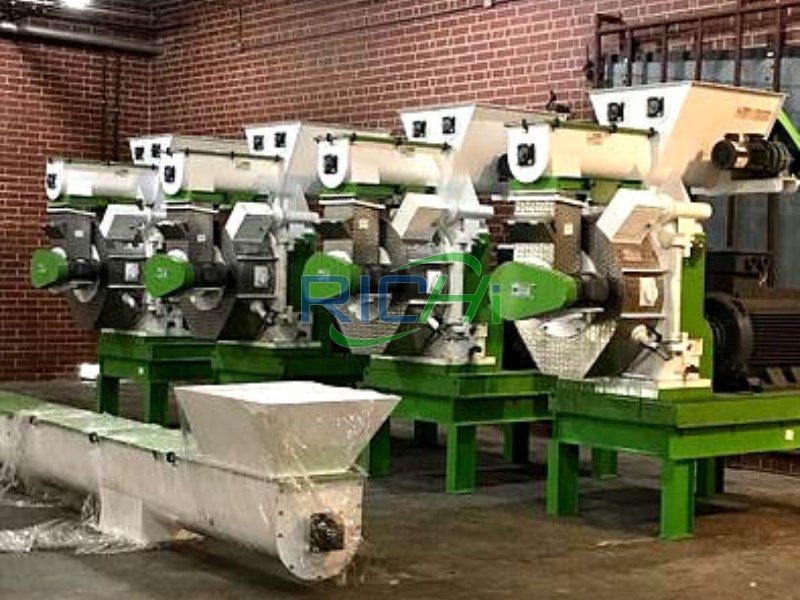
hemp pellet machine for sale canada
- Production Capacity: 1.5-2T/H
- Project Country: Canada
- Project Background: Located in Manitoba, Canada, this 1.5–2T/H hemp pellet line was built to process local hemp residues into eco-friendly fuel pellets. The production line includes a hammer mill, rotary dryer, pellet machine, cooling, and packaging systems. It is designed to meet medium-scale industrial production demands, converting hemp stalks efficiently into high-calorific pellets.
- Client Feedback: “We are impressed by the efficiency and stable output of the line. The pellets have uniform density and excellent combustion performance, fully meeting our production requirements.”
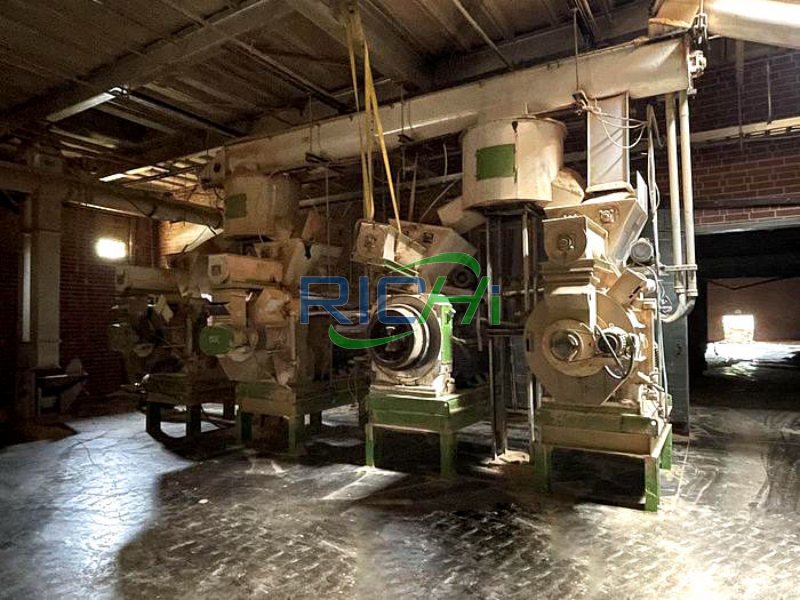
hemp pelletizer for sale america
- Production Capacity: 5-6T/H
- Project Country: America
- Project Background: This large-scale 5–6 ton/hour pellet production line, located in Colorado, USA, is used for the industrial processing of hemp stalks, leaves, and residues. The production line integrates crushing, drying, pelleting, cooling, and packaging, providing a continuous production solution for the efficient conversion of hemp stalk biomass into high-density fuel pellets, suitable for residential and commercial heating.
- Client Feedback: “We appreciate the high level of automation and the large production capacity. The turnkey solution allowed us to start production quickly, and the system has been operating reliably, fully supporting our industrial-scale needs.”
hemp pellet machine for sale Australia
- Production Capacity: 4T/H
- Project Country: Australia
- Project Background: This 4T/H biomass pellet making plant in Queensland, Australia, was designed to convert hemp stalk waste into high-quality fuel pellets. The production line includes crushing, drying, pelletizing, cooling, and packaging modules. This pellet mill for sale Australia provides an efficient solution for farm-level industrial production, producing uniform pellets suitable for heating and power generation.
- Client Feedback: “We are pleased with the compact design and ease of operation. The pellets are uniform and high-quality, and the system requires minimal maintenance, making it cost-effective and reliable for our production.”
Why Choose Our Hemp Pellet Machine
Choosing a reliable hemp pelletizer is key to achieving efficient, stable, and profitable pellet production. As a leading pellet equipment product manufacturer, RICHI’s equipment is trusted by users worldwide for its durability, precision engineering, and ability to process fibrous biomass materials such as stalks, leaves, and residues.
High Quality & International Certification

Each hemp pellet machine is manufactured with premium-grade steel and advanced CNC technology. RICHI’s strict quality control ensures that every unit meets global certification standards such as CE, ISO, and SGS. This guarantees safe operation, low failure rate, and long service life, making our equipment a reliable choice for industrial-scale pellet production.
Customized Design for Your Specific Needs

Designed specifically for fibrous hemp materials, the machine’s feeding, compression, and discharge systems are optimized to prevent clogging and ensure stable performance. RICHI offers customized configurations — including conditioners, coolers, dust removal units, and packaging systems — allowing you to build a production line that perfectly matches your processing goals and budget.
Rich Industry Experience and Trusted Reputation

With over 30 years of experience, RICHI Machinery has successfully delivered pellet production projects in more than 140 countries. Whether it’s a medium-to-large farm or a factory of any size, our engineering team provides complete project planning, installation, commissioning, and after-sales support. RICHI Machinery turnkey service delivers more than just equipment; it provides customers with a comprehensive, efficient, and profitable pellet production solution.
FAQ
When customers plan to invest in a hemp pellet machine, they often have many practical questions. To help you better understand our equipment, we have compiled a list of frequently asked questions based on real customer feedback and project experience. Whether you are a first-timer or an experienced producer, these FAQs will help you make more informed decisions when choosing a product, ensuring your production runs efficiently and stably.
How much doses hemp pellet Making machine cost?
+
The price of a hemp pellet machine generally ranges from $10,000 to $90,000, depending on factors such as capacity, design, and optional configurations. Lower-end, smaller machines are typically suitable for farms or small-scale industrial production, with a capacity of approximately 0.2-0.3 tons per hour. Medium and large-scale machines can reach 3-4 tons per hour or even higher, and are usually equipped with advanced automation systems and more powerful motors, thus commanding higher prices. The final price also depends on whether the equipment is customized for a specific hemp feedstock or application, such as for fuel pellets, animal bedding, or industrial biomass applications.
How to plan the budget and choose the right pellet machine for hemp?
+
When investing in a hemp pellet machine, you need to consider several key factors to make the right choice.
First, determine your budget based on your production scale. Smaller machines have lower hourly output and are cheaper. Larger, commercially available production lines have higher hourly output but also higher costs.
Next, choose a capacity that matches your current production needs and future growth. Machines that are too small may become production bottlenecks, while machines that are too large will increase unnecessary energy consumption and investment costs.
Equipment configuration also needs careful consideration. For example, for hemp stalks, a forced feeder is needed to prevent feed blockages, while automation can further improve production efficiency and ease of operation.
Operating costs are also important. Electricity consumption, maintenance, wear parts, and labor are all key factors, especially since hemp stalks are highly fibrous and will accelerate the wear of ring dies and pressure rollers. Choosing wear-resistant parts and equipment specifically designed for high-fiber raw materials can reduce costs in the long run.
Finally, choosing an experienced and reliable supplier is crucial. Suppliers with experience with hemp stalks or other high-fiber raw materials, comprehensive after-sales service, sufficient spare parts, and the ability to provide turnkey solutions can ensure smooth production and long-term success.
What raw materials can be used in the hemp pellet machine? Can I use mixed raw materials such as waste wood?
+
Hemp straw pellet mills have a wide range of applications and can process various biomass raw materials. Common raw materials include: hemp straw and residues, rice straw, corn stalks, grasses, bagasse and other fibrous biomass, sawdust, wood chips, branches, and other wood waste.
You can use mixed raw materials, such as hemp straw + wood or rice straw + wood, as long as the moisture content and particle size of the raw materials are suitable for pelleting. Mixed raw materials can not only reduce raw material costs but also increase pellet density and expand pellet applications (fuel, bedding, or animal feed).
I have a farm with 8,000 cattle and I’m planning to produce my own feed. What capacity equipment should I choose?
+
For 8,000 cattle, each head requires 6 kg of feed per day, resulting in a total daily feed demand of approximately 48 tons. If the pellet mill production line operates for 6–8 hours daily, equipment with a capacity of approximately 6–8 tons per hour is needed to meet this demand.
We offer multiple models of equipment to meet your production needs. Furthermore, if a complete animal feed pellet production line is required, including SFSP feed hammer mill, animal feed mixer, dryer, pellet mill, cooling screen, and packaging machine, we can also design a complete solution for you.
For a formal quotation and solution, please provide the following basic information: expected production capacity, list of main available raw materials, target pellet size, plant area and power supply, budget, and delivery time. RICHI will generate a customized solution and quotation based on this information and can arrange a process consultant to provide a free initial consultation.
I already have a grinder and mixer. Can your hemp pellet machine work with my existing equipment?
+
Yes. Our pellet machines are designed with flexible interfaces and can easily integrate into your existing production system. We only need to confirm the output capacity and feeding method to ensure stable connection. If required, our engineers can redesign the layout to optimize your material flow and pelletizing efficiency.