
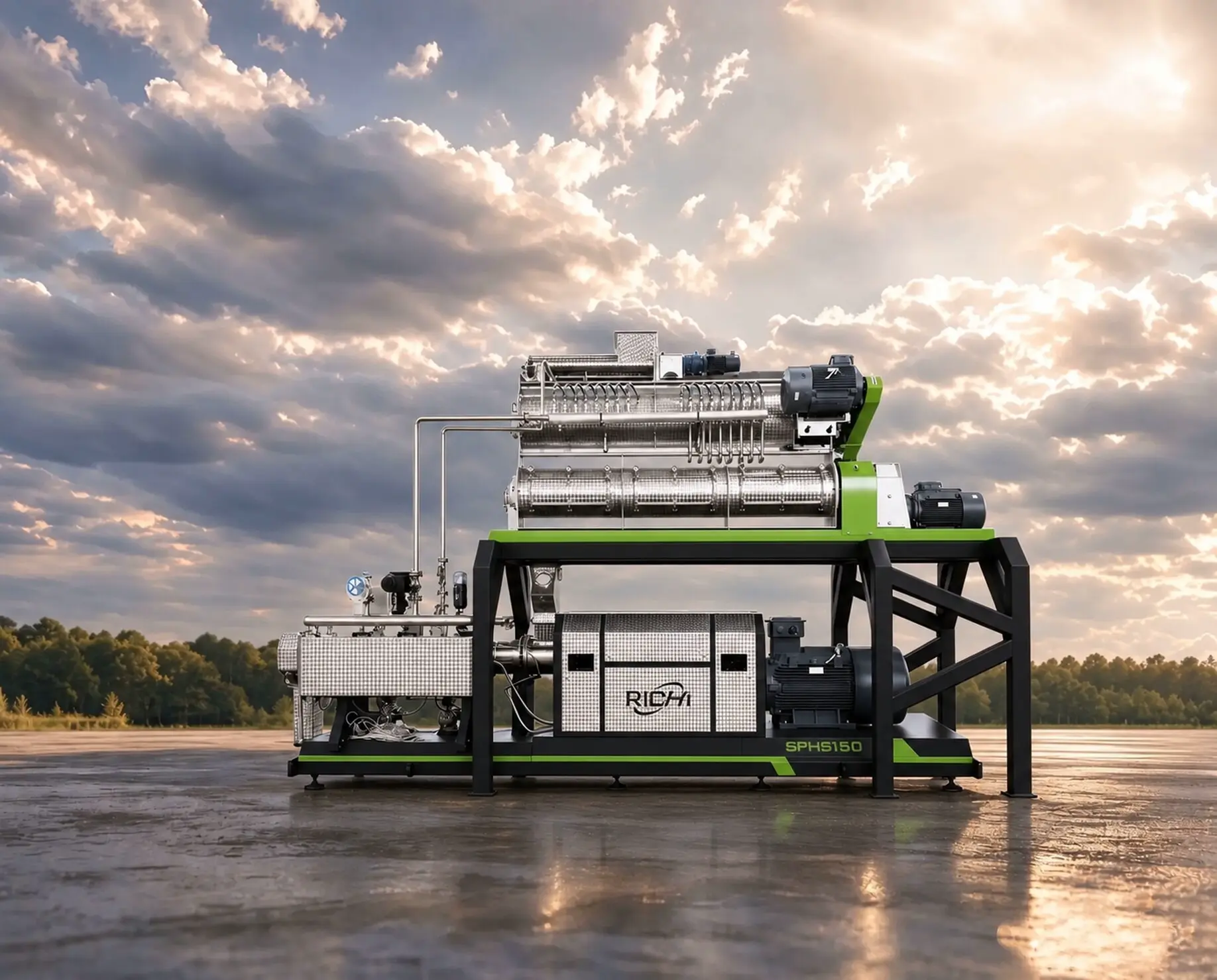
EXTRUDER MACHINE
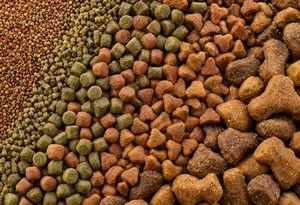
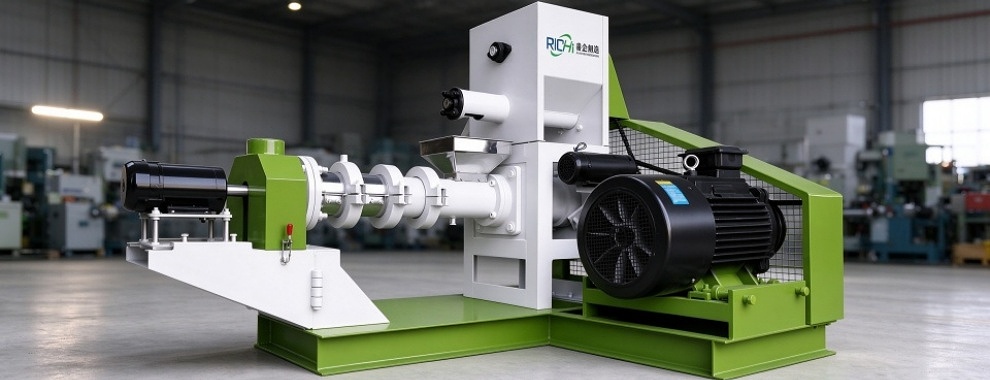
The Extruder machine is the core equipment for producing high-quality aquatic feed and pet food. The single machine’s production capacity starts at 0.2 tons per hour. It is divided into two categories: single screw extruder and double screw extruder. If you want to purchase an extruder pellet machine, this might provide you with a satisfactory solution.
Finished Pellets
Production Capacity:
0.2-12T/H
TYPES OF EXTRUDER MACHINES
Extruder machines in food industry often have higher requirements. RICHI MANUFACTURE is a professional extruder manufacturer. Whether you need a small scale extruder or an industrial extruder, RICHI has corresponding solutions. Considering the different needs and budgets of customers, we offer various models of extruder machines. The details are as follows.
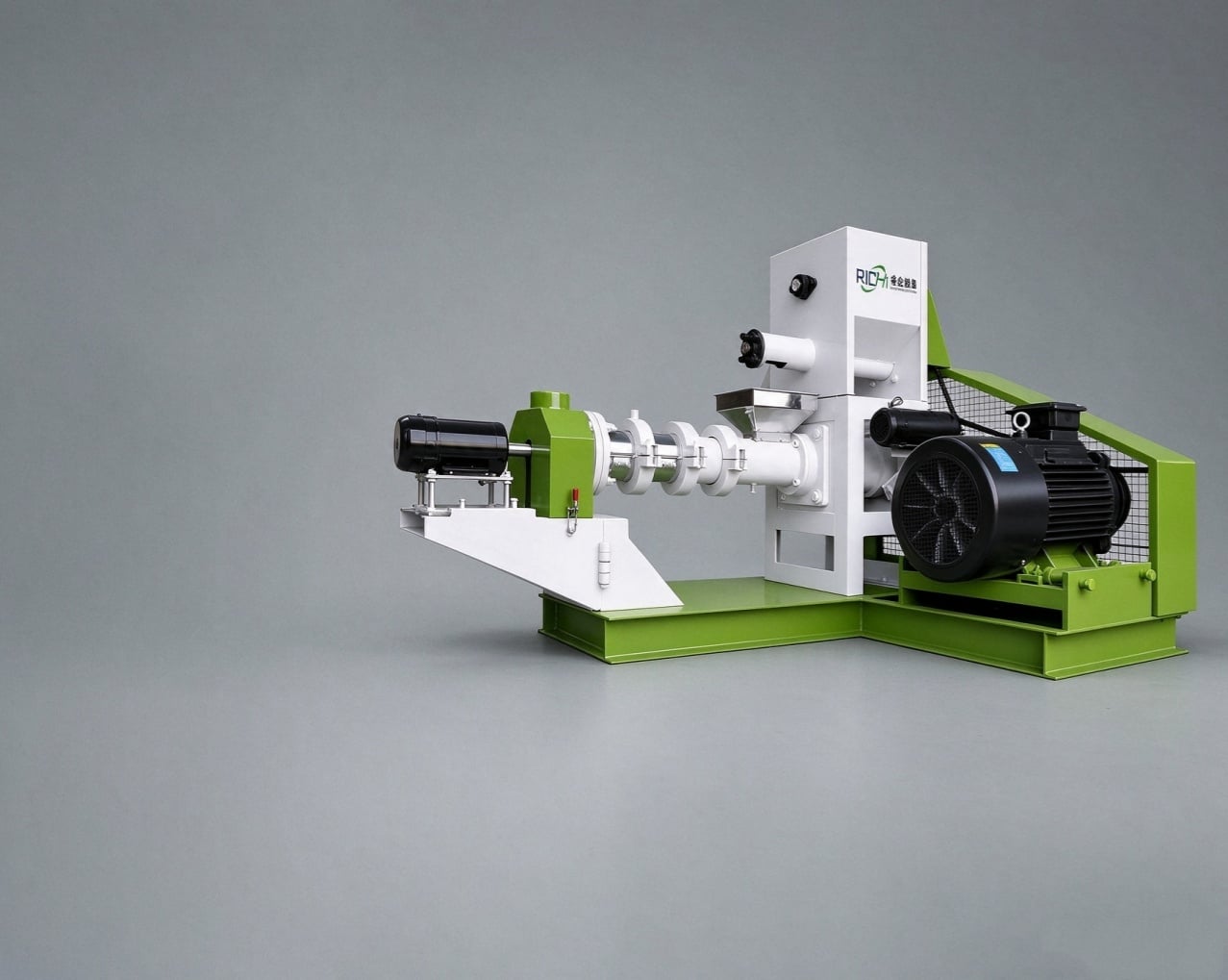
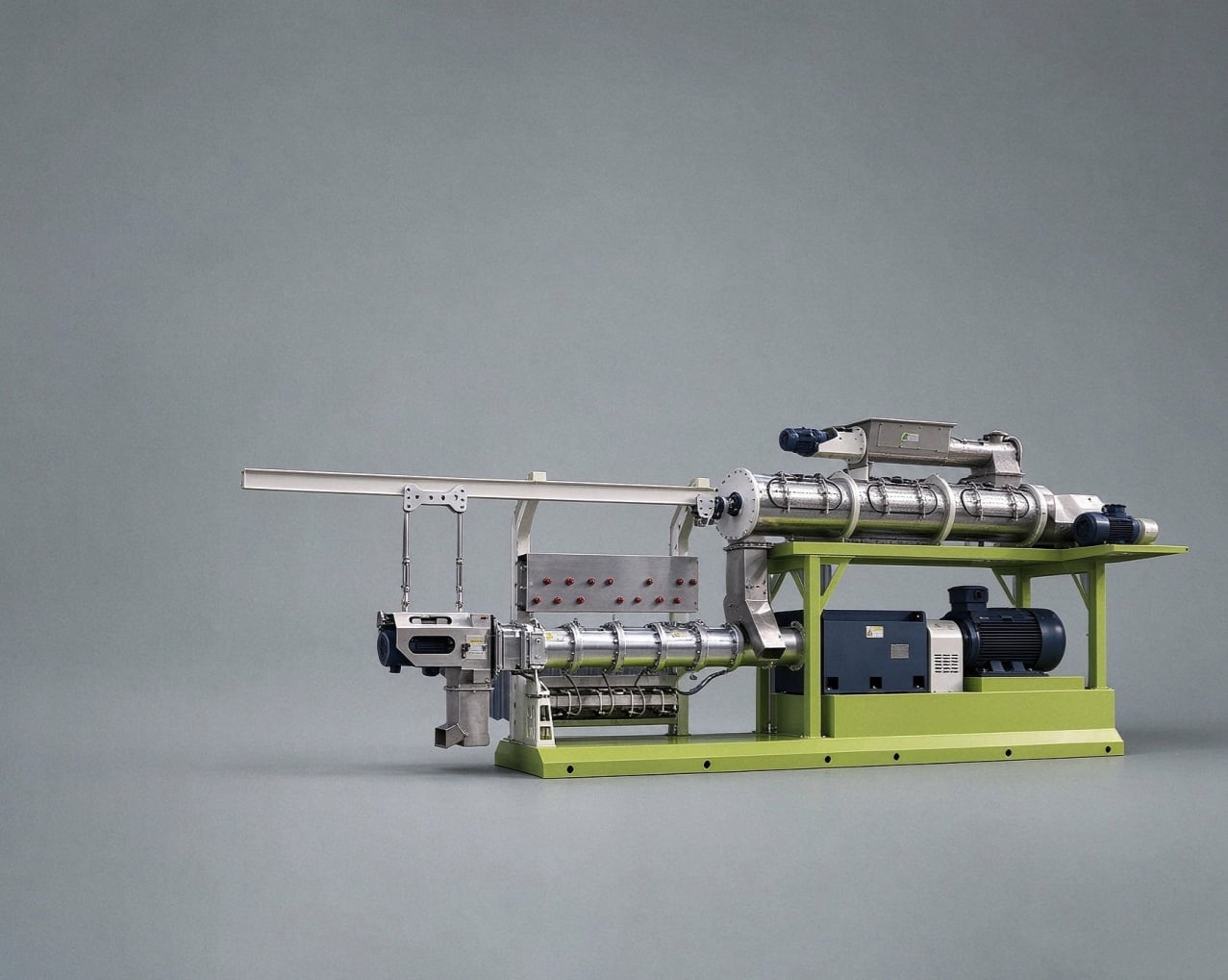
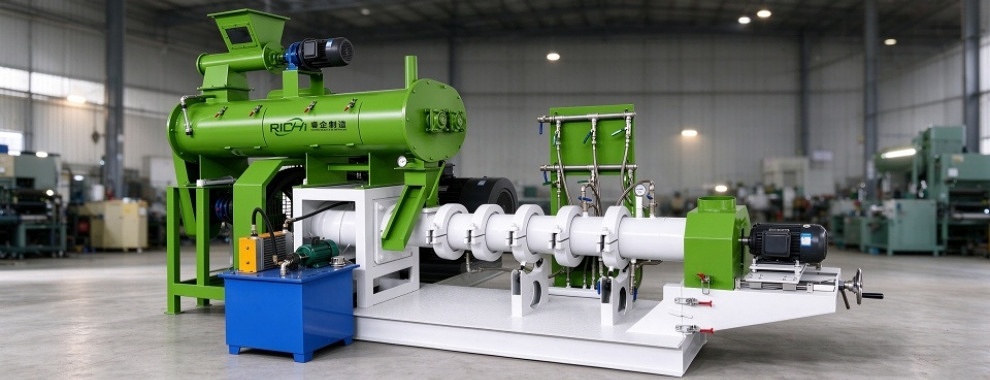
Dry Type Single Screw Extruder
Dry single-screw extruders usually do not have a steam conditioning system. The production process is simpler, and the equipment investment and supporting requirements are lower. They are suitable for small and medium-sized production projects with relatively simple formulas or limited steam conditions.
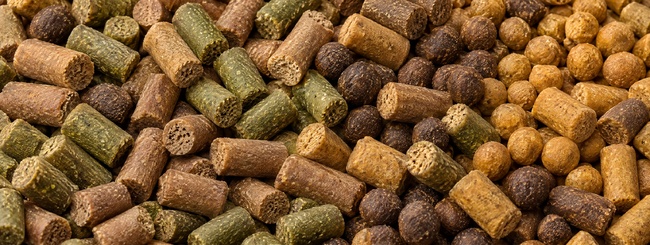
It is applicable for processing aquatic feed, some livestock feed, and raw material extrusion, etc. The single-machine production capacity ranges from 0.2 to 1 T/H.
Wet Type Single Screw Extruder
The wet single-screw extruder is usually equipped with a steam conditioning system, which is suitable for production scenarios with high requirements for product expansion degree, maturation effect and processing stability.
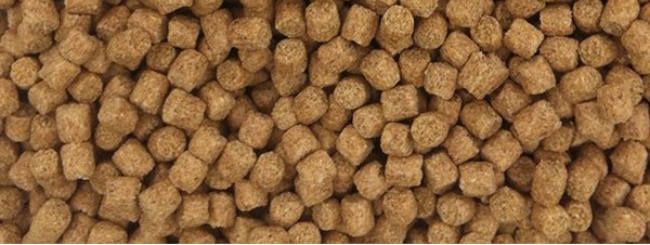
It is suitable for producing products such as aquatic feed and extruded feed that require better maturation and shaping effects. The single-unit production capacity ranges from 0.3 to 1 ton per hour.
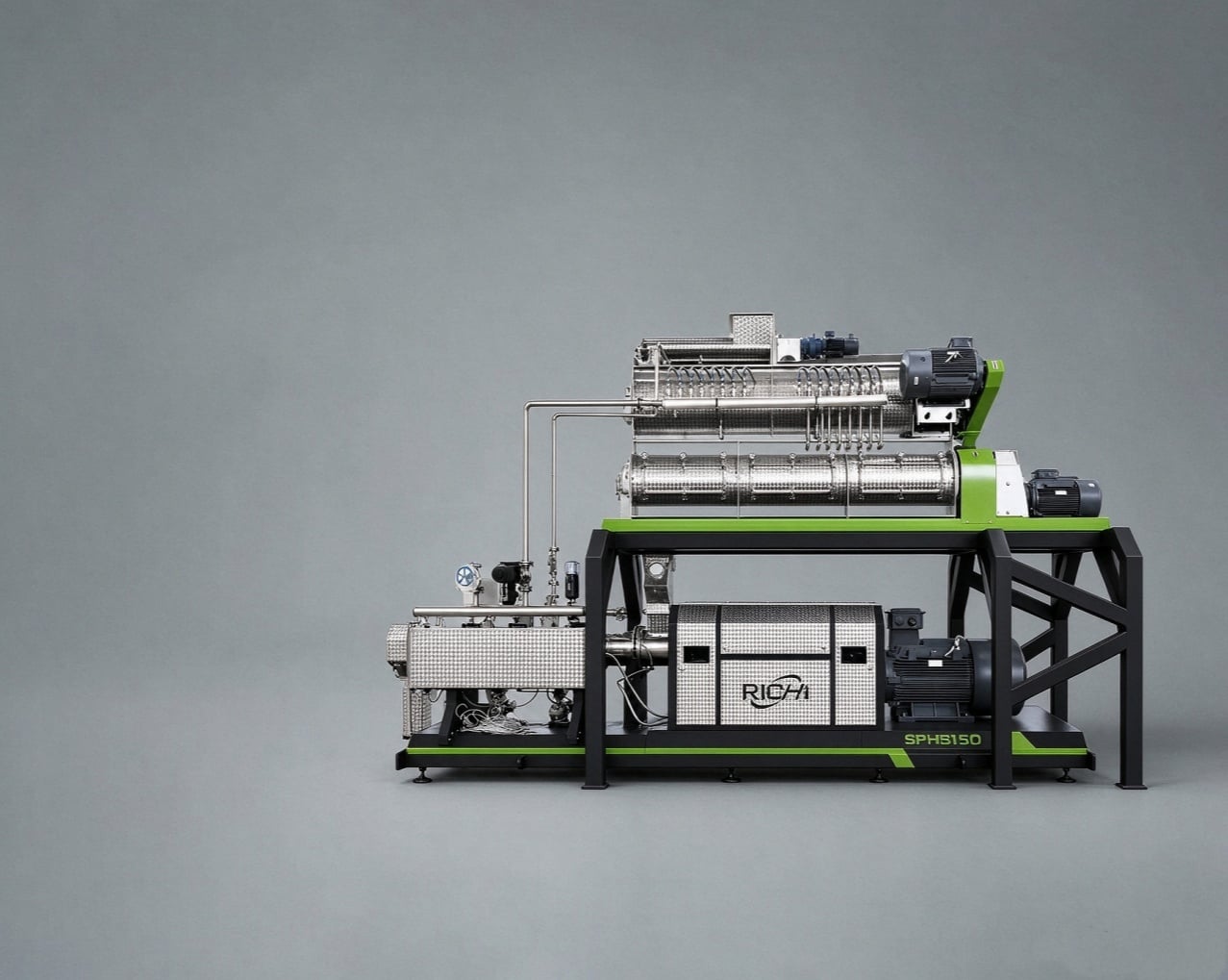
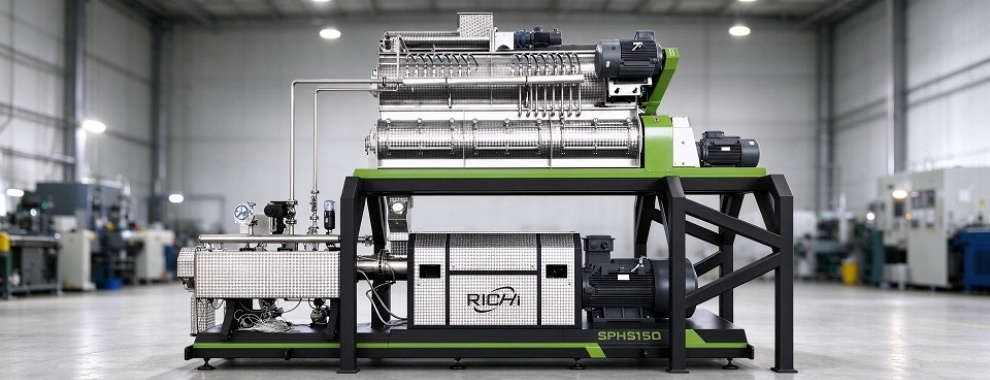
Twin Screw Extruder
The twin-screw extruder has two intermeshing screws, which can transport high-viscosity materials and can process products with high moisture and high oil content. It also has a self-cleaning function. The single-unit production capacity ranges from 0.3 to 12 T/H.
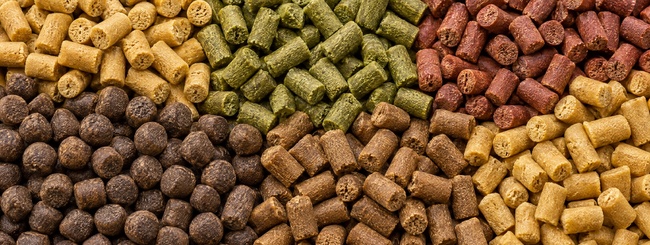
It is suitable for processing scenarios with high requirements for extrusion effect, uniformity of mixture, and production stability. It is commonly used in aquatic feed, pet food, extruded food, and other products that require extrusion and maturation. Compared to single-screw equipment, the twin-screw extruder usually has stronger adaptability to formula changes and complex materials.
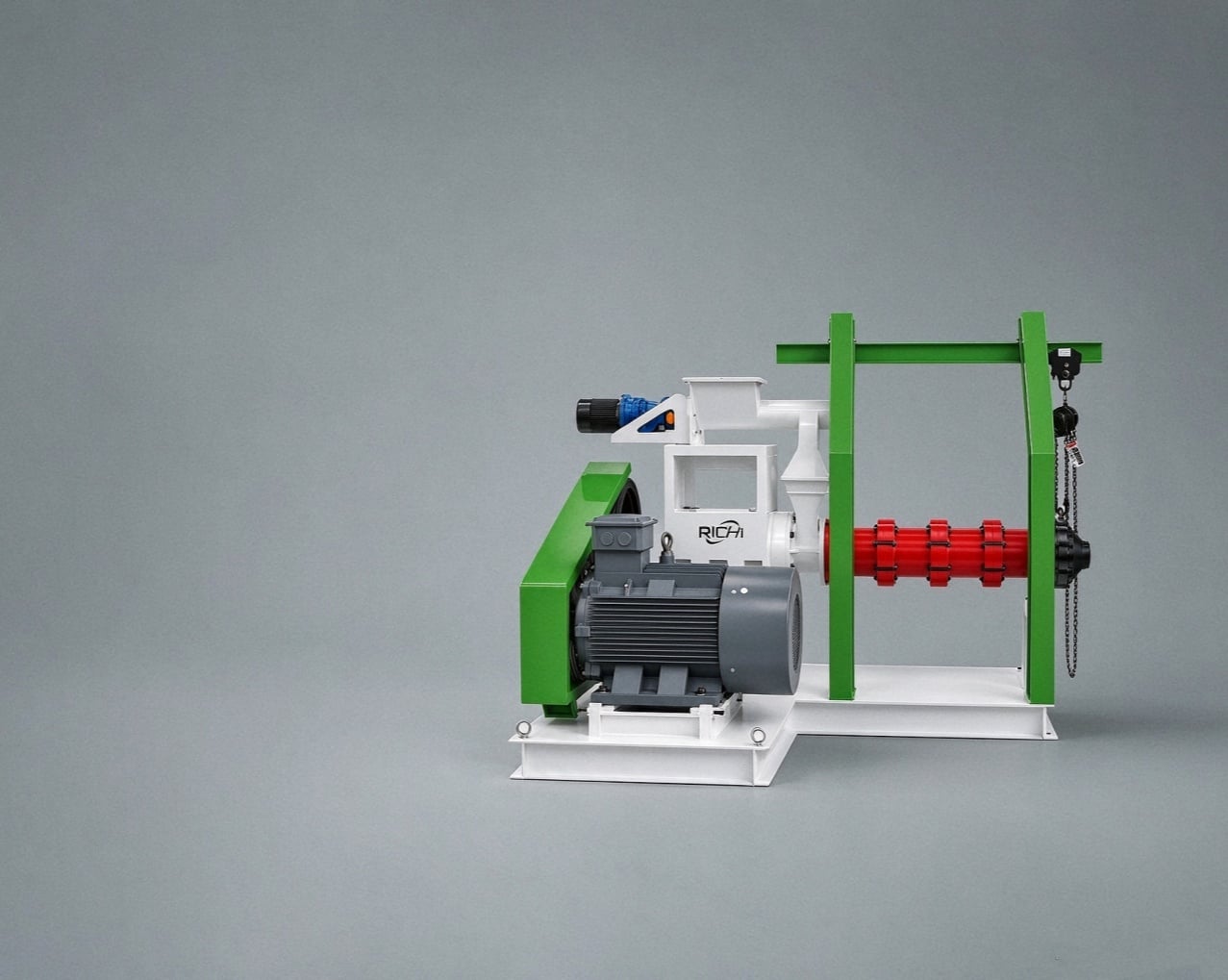
Whole Grain Extrusion Machine
It is mainly used for the expansion and maturation of raw grains such as corn, soybeans, wheat, rice, and sorghum, and can be used to produce expanded grains and matured feed products. It is suitable for processing scenarios where the digestibility of raw grains needs to be improved and the degree of maturation needs to be enhanced.
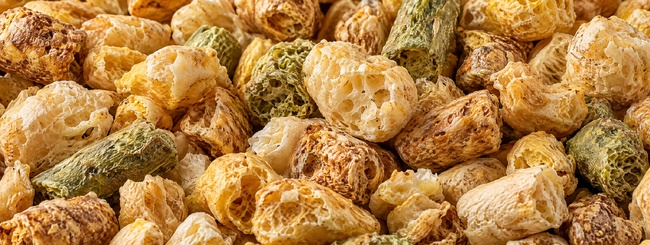
It is divided into dry method raw grain expansion and wet method raw grain expansion, with single-machine production capacity ranging from 0.2 to 5 tons per hour.
1
Dry Type Single Screw Extruder
2
Wet Type Single Screw Extruder
3
Twin Screw Extruder
4
Whole Grain Extrusion Machine
EXPLORE OUR EXTRUDER MACHINES
We have prepared three videos to show you our Puff extruder machine. Besides the overall presentation of the equipment, you can also observe its performance in the actual production line.
Single Screw Extruder Trial Run | Equipment Operational Testing
▶
On the Production Line | Twin Screw Extruder in Operation
▶
Single Screw Extruder for Fish Feed Production | On Site Processing
▶
A CLOSER LOOK AT KEY COMPONENTS
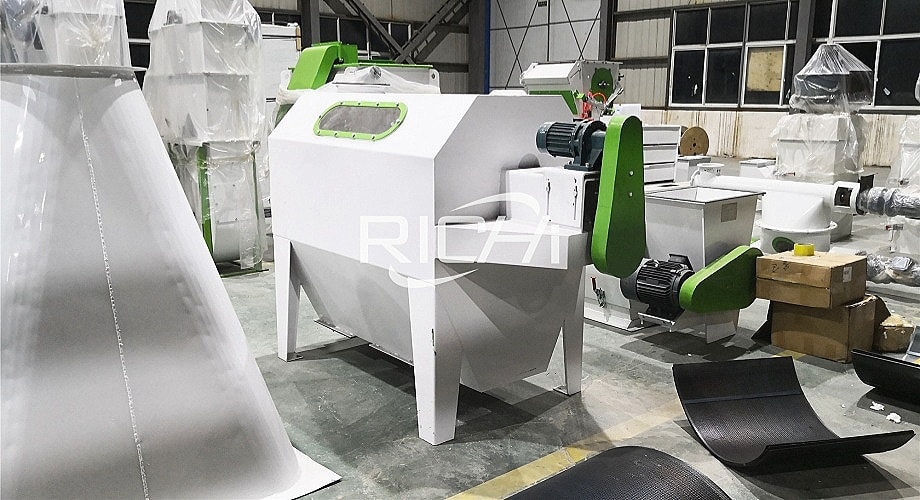
The extruder machine is mainly composed of core components such as a variable-frequency screw feeder, a mixer, a sleeve, a screw, a main shaft, a main motor, a cutter, and a transmission system. The Extruder Pelletizer mainly achieves transportation and extrusion through the dragging flow of the screw, and finally the cutting is completed by the cutter. Among them, the feeding system, the screw, the mold, and the cutting system are particularly important.
Feeding system
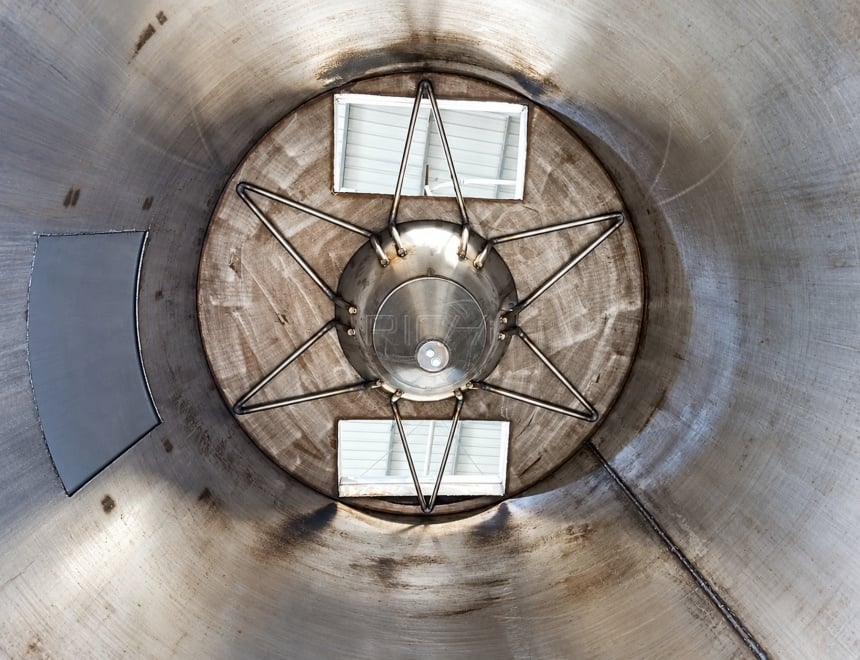
A spiral feeder is used, and the feeding quantity is controlled by frequency conversion speed regulation. The feed hopper is equipped with a deflection prevention structure to ensure that the materials are uniformly and continuously fed into the conditioner or extrusion chamber.
Screw
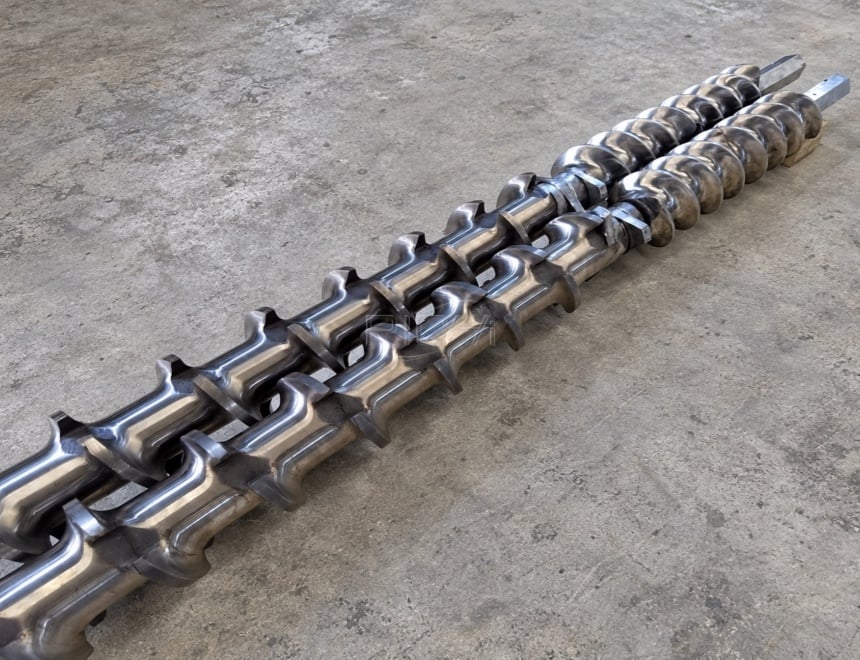
The screw is responsible for the transportation, compression, mixing, shearing and pressurization of the materials. The screw and the screw sleeve are made of special wear-resistant and high-temperature alloy steel materials, and are processed by heat treatment, which has the advantages of wear resistance and long service life.
Extrusion mold
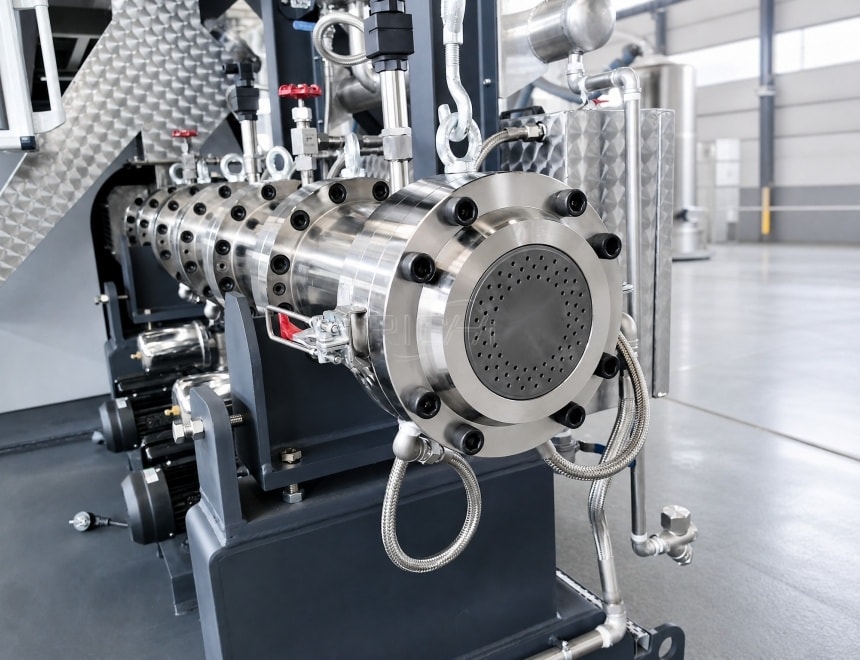
The mold is located at the extrusion end and directly affects the diameter, shape and discharge state of the final product. By replacing different specifications of molds, different sizes or shapes of particles can be produced.
Cutting system
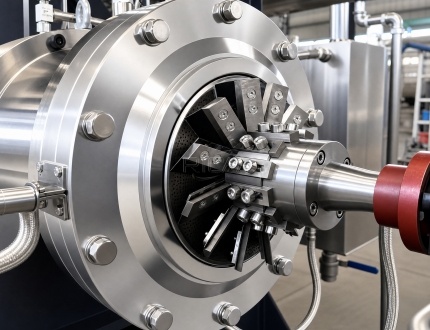
The cutting system is installed at the discharge end of the die head and uses an adjustable knife holder. The knife blade is made of spring steel and is closely fitted with the template. The cutting mechanism is driven by a frequency conversion motor and can precisely control the product length.
PROVEN EXTRUDER MACHINE PROJECTS
RICHI MANUFACTURE has completed numerous Extrusion pelletizing machine projects worldwide, including the establishment of complete production lines. Here, we present some of these projects for your reference. If you are interested in obtaining investment returns through our equipment, please feel free to talk to our technical advisors. We will provide you with customized production line solutions.
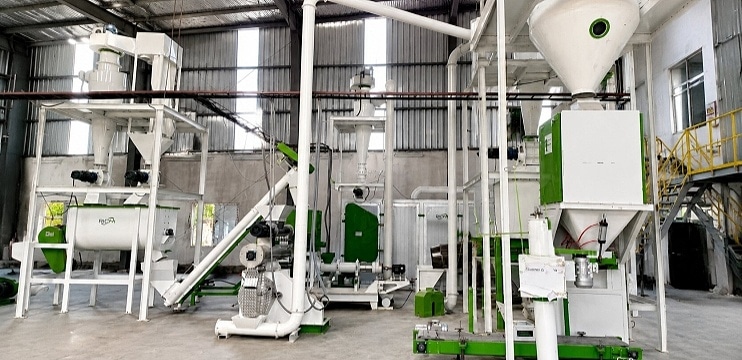
Nigeria 0.8-1T/H Dry Single Screw Extruder Project
This project is mainly targeted at the local catfish farming market and produces floating fish feed. Considering the project scale and supporting conditions, a dry single screw extruder is adopted, without the need for a steam system. It simplifies the production process while controlling the initial investment, which perfectly meets the customer’s requirements.
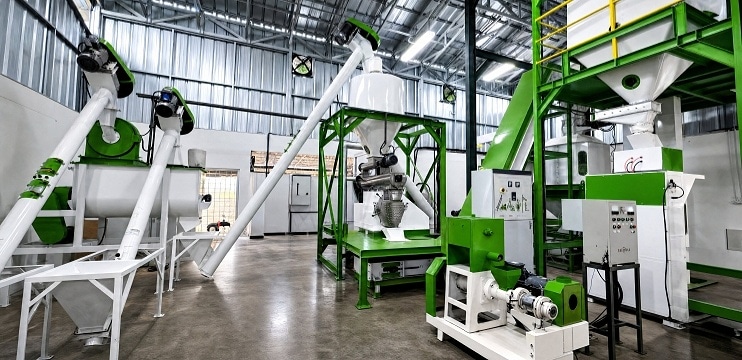
Indonesia 2-3T/H Wet Single Screw Extruder Project
To meet the commercial aquatic feed production needs of the client, a wet single screw extruder is configured for the project. Through the conditioning process, the moisture content and curing conditions of the materials are controlled, making it very suitable for the client to continuously produce different specifications of floating fish feed.
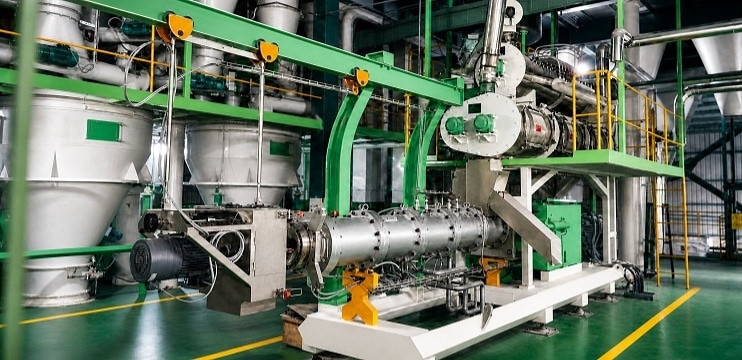
Vietnam 5-6T/H Double Screw Aquatic Feed Extruder Project
The project client is engaged in large-scale production of fish feed, shrimp feed, etc. The double screw extruder better meets the production needs of the client. The double screw can enhance material mixing, shearing, and process control capabilities, making it easier to adjust the extruder parameters and production specifications according to different feed properties.
Brazil 1.5-2T/H Double Screw Pet Food Extruder Machine Project
The client is an animal food production company, mainly producing high-quality dog food and cat food. Due to the different formulas, particle sizes, and appearance requirements of pet food, two production lines for dog food and cat food were established respectively. The core equipment uses Pellet Extruder Machine.
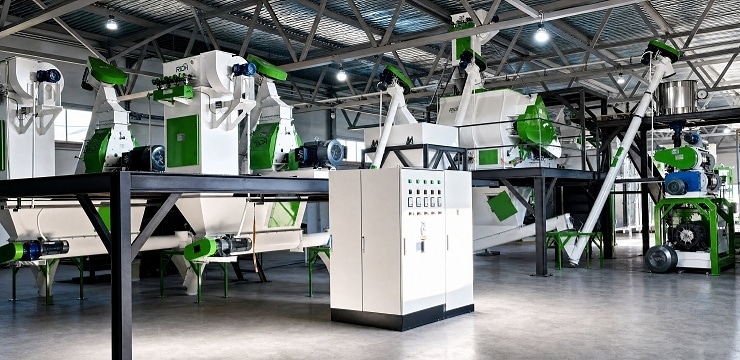
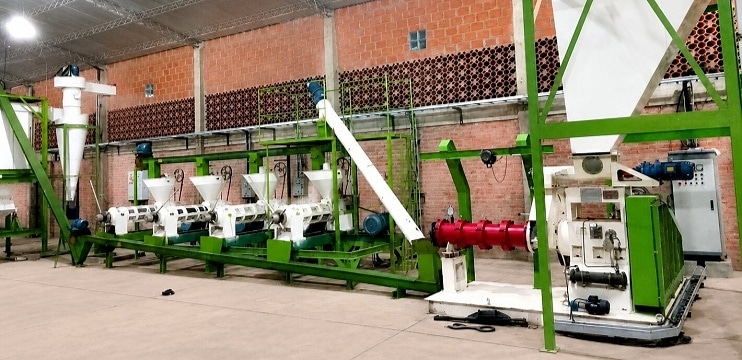
Paraguay Full-fat Soy Puff Extruder Project
The project was established in a local feed factory and is mainly used for the extrusion processing of full-fat soybeans. Through the high temperature, pressure, and shear effects during the extrusion process, the soybeans are matured and processed to obtain protein and energy raw materials that can be further used in animal feed formulations.
WHAT OUR PROJECT PARTNERS SAY
For RICHI, the installation of equipment does not signify the end of the project. We are very concerned about the actual operational results after the project goes into production. Even though we have over 30 years of mature technical experience, we still hope to collect the genuine opinions of our customers and feed them back to the technical team, continuously optimizing the technology. This is our demonstration of being responsible for our brand.
Nigeria Extruder Machine Project
★
★
★
★
★
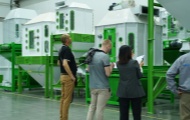
“This equipment is in line with our actual situation. The daily operation and maintenance are not complicated. The production of buoyant fish feed has a relatively stable extrusion effect, and it still floats on the water surface even after being submerged for 10 hours.”
Client Visits
Indonesia Fish Feed Extruder Machine
★
★
★
★
★
“We need to use this equipment to produce several different specifications of fish feed. Therefore, we are particularly concerned about whether the conditioning and extrusion processes can be easily adjusted. After the equipment was put into production, the switching between different formulas went smoothly, and the particle quality met our requirements.”
Customer Visits
Vietnam Twin Screw Aquatic Feed Project
★
★
★
★
★
“The company has very high requirements for the stability of the equipment during continuous production. The production line has been in operation for more than 3 months, and everything is stable. We are looking forward to establishing a long-term cooperation with RICHI.”
Customer Visits
Brazil Twin Screw Pet Food Project
★
★
★
★
★
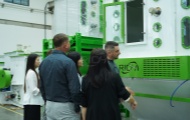
“The initial plan was to use one production line to produce two types of pet food. Considering factors such as production capacity, formulas, and mold replacement, we finally decided to have two production lines operate separately. The current production structure is obviously more efficient.”
Customer Visits

Paraguay Whole Grain Extrusion Project
★
★
★
★
★
“We mainly process local soybeans. After the equipment was put into operation, the output of the equipment met our plan, and the state of the soybeans after extrusion was also relatively stable. Now, we can directly provide processed raw materials for the subsequent feed production.”
Customer Visits
EXTRUSION PRODUCTION LINES & EQUIPMENT
As a manufacturer with over 30 years of experience in equipment manufacturing, we hold 50+ patents for equipment and have obtained various international certifications such as CE, SGS, and ISO. We not only offer extruder machines, but also provide complete production line solutions and the entire set of equipment for the production line.
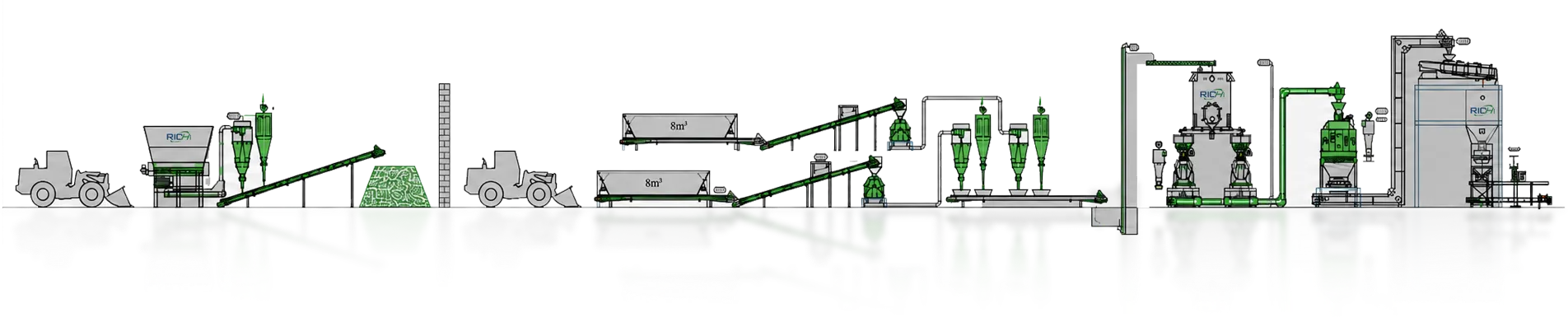
A complete extrusion production line is not just the operation of the extruder machine alone; instead, it involves the coordination of various processes such as raw material processing, grinding, ingredient mixing, conditioning, extrusion, drying, spraying, cooling, sieving, and packaging. Depending on the specific requirements of aquatic feed, pet food, or other extruded products, the specific process and equipment configuration will be adjusted accordingly.
1
Raw material cleaning
Various cleaning equipment removes stones and metal impurities from the raw materials, ensuring product quality and equipment safety.
›
2
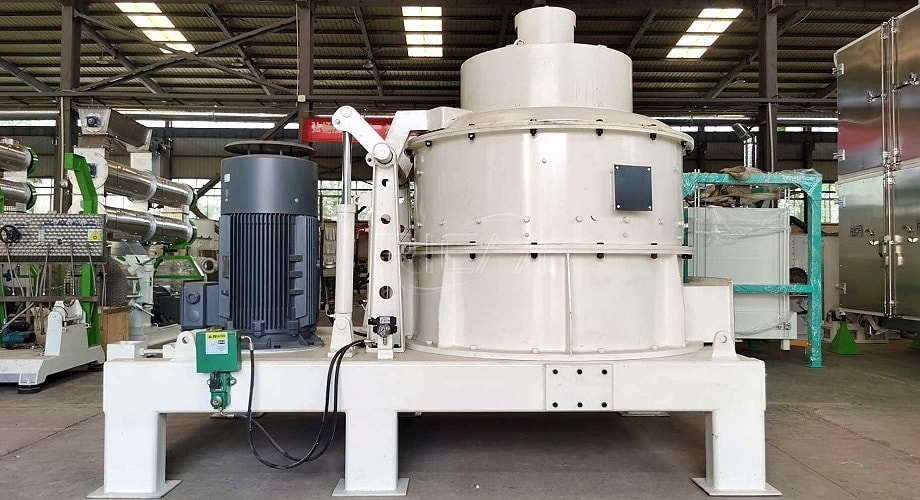
Raw material crushing
Coarse crushing and fine crushing ensure that the particle size of the raw materials meets the optimal granulation standards.
›
3
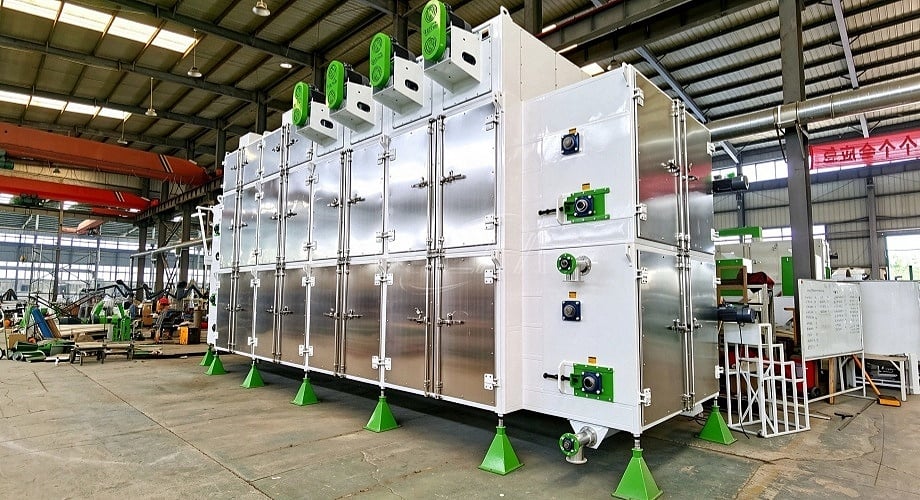
Raw material drying
Ensure that the moisture content of the raw materials is normal, without affecting the extrusion effect.
›
4
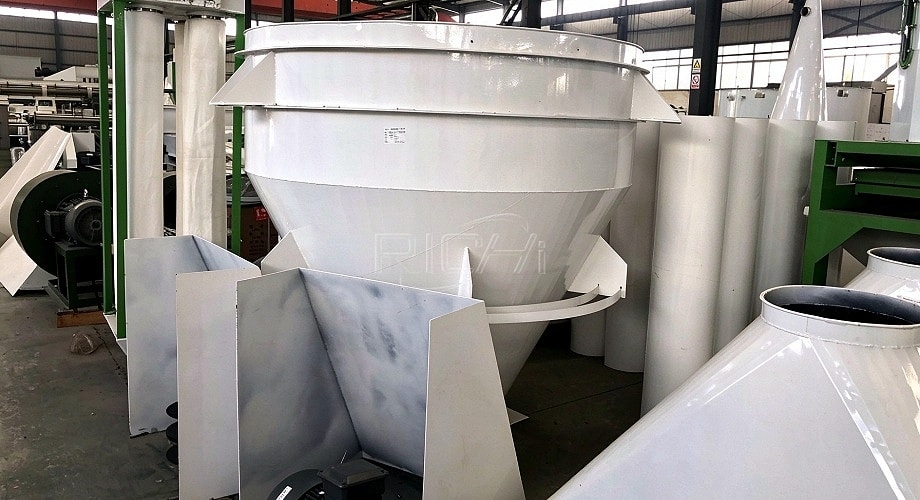
Ingredients
Precise ingredient weighing scales ensure the accurate addition of various formula ingredients.
›
5
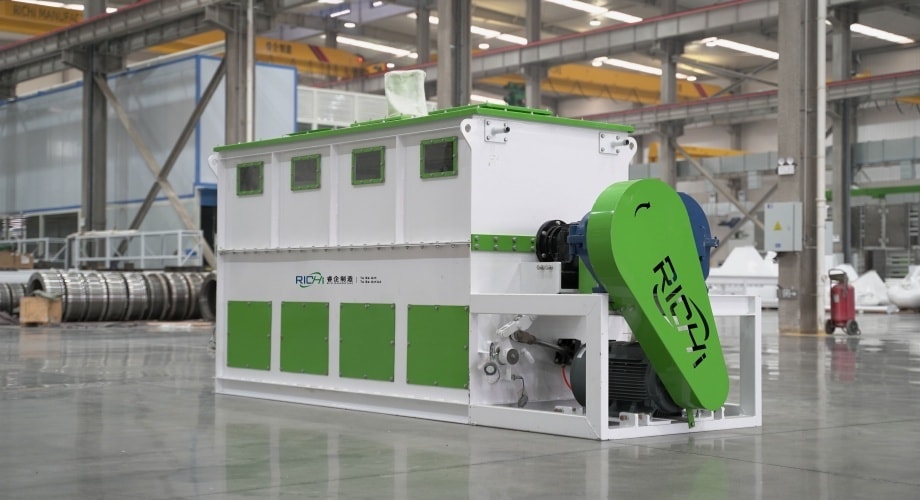
Mixing
Paddle-type and screw-type mixers can be selected to make the nutritional components of the formula and the distribution of raw materials more uniform.
›
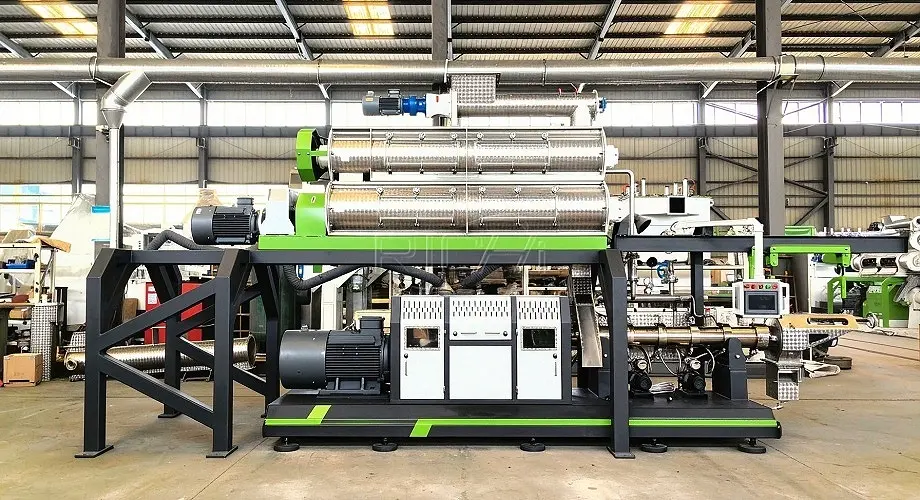
6
Extruder machine
Select the corresponding specifications of the Feed Extruder machine according to actual needs to complete the core extrusion forming stage.
›
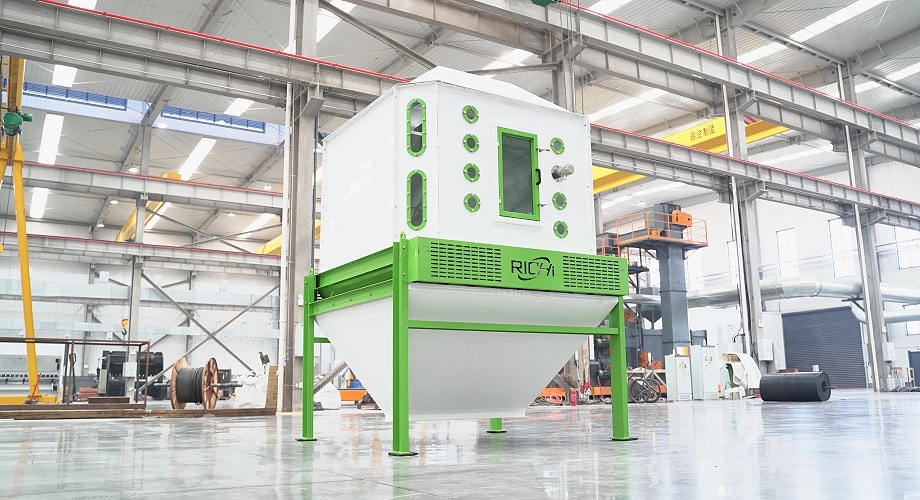
7
Drying and Cooling
The newly formed particles need to be cooled down to achieve shaping and facilitate storage while preventing mold growth.
›
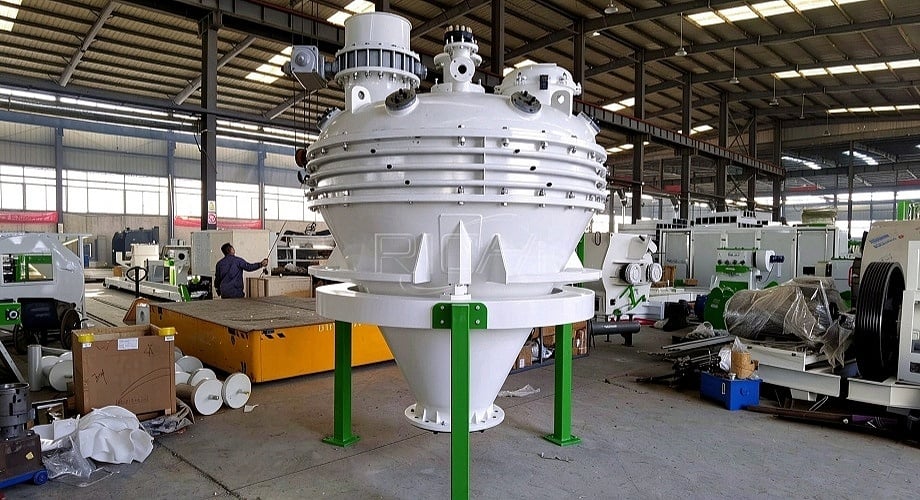
8
Spraying
According to the product formula, apply oils, attractants, or other liquid components onto the product surface.
›
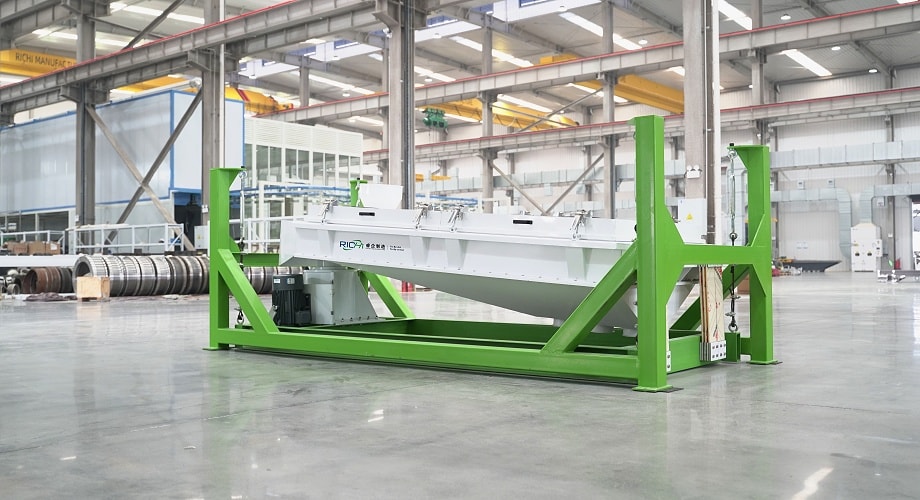
9
Screening
Remove powders, broken particles, and particles that do not meet specifications to improve the consistency of the finished product particles.
›
10
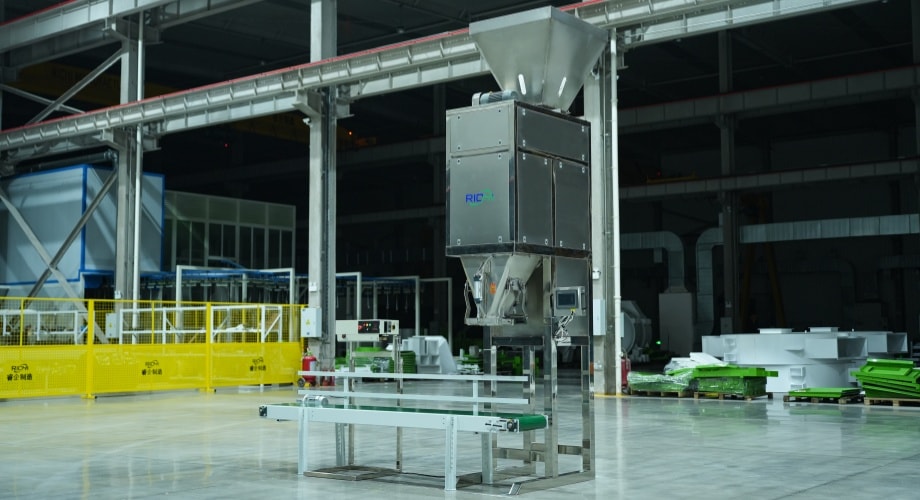
Packaging
Qualified products are weighed, bagged, and sealed, then enter the storage and sales process.
›
11
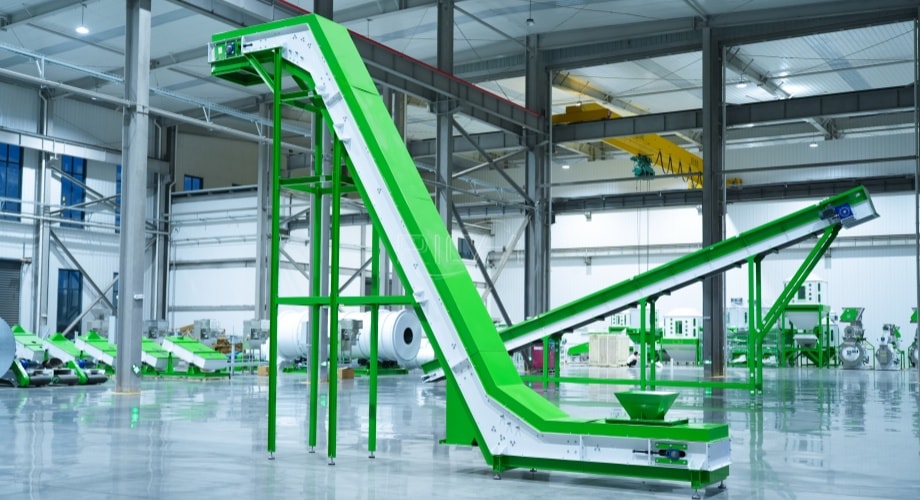
Conveying
Conveying is the “bridge” of the entire production line, connecting various equipment to complete the transportation of materials.
›
QUESTIONS
What are the differences between dry extruders and wet extruders?
Dry extruders usually do not require complex steam conditioning systems. Their equipment configuration is simpler, and the investment and supporting requirements are relatively lower, making them suitable for small and medium-scale production. Wet extrusion, on the other hand, uses steam and water to pre-condition the materials, which can better control moisture, temperature, and the degree of maturation. It is more suitable for continuous production and products with high requirements for expansion and shaping, such as aquatic feed and pet food.
How to choose between a single screw and a double screw extruder?
The choice mainly depends on the raw materials, product type, complexity of the formula, production scale, and investment budget. Single-screw extruders have a relatively simple structure and lower operation and maintenance costs, making them suitable for stable, regular formulas; double-screw extruders have stronger mixing, conveying, and process control capabilities, and are better adapted to complex formulas and different product specifications. If frequent formula changes are required or high-quality aquatic feed and pet food production is needed, double-screw equipment is usually the preferred choice.
Can one extruder produce products of different sizes and shapes?
OK. Within the processing capabilities of the equipment, by changing molds of different diameters and shapes, adjusting the cutting speed and extrusion parameters, products of different diameters, lengths and shapes can be produced. However, different products may have different requirements for the formula, screw configuration and process conditions, so it is not simply by changing the molds to produce all products.
How to control the floating and sinking properties of aquatic feed?
The floating and sinking properties of aquatic feed are related to the final particle density and are affected by various factors such as the raw material formula, starch content, particle size, moisture content, conditioning conditions, extrusion temperature, pressure, screw configuration and extrusion degree. By adjusting the formula and extrusion process, floating, slow-sinking or sinking aquatic feed can be produced. Therefore, specific processing parameters need to be determined according to the breeding species and feeding method.
What are the wear parts of the extruder and how often do they need to be replaced?
Commonly worn parts of the extruder include screws and threaded elements, internal wear-resistant parts of the barrel, molds and cutting knives, etc. Among them, the screws and extrusion cavity components are subjected to friction, pressure and shear forces for a long time and need to be inspected regularly. There is no fixed replacement cycle for wear parts. The actual service life is related to the abrasiveness of the raw materials, operating time, output, operating conditions and component materials. Generally, it should be determined whether to adjust or replace based on the actual wear degree.
Extruder machine price?
The price of the extruder machine mainly depends on the equipment type, production capacity, screw configuration, conditioning system, drive power, automation level and final product requirements. Generally, dry-process single-screw equipment is relatively simple in configuration and has a lower cost; wet-process single-screw requires additional conditioning and steam-related configurations; double-screw equipment has a more complex structure and control system, and the investment is also relatively higher. Generally, a small extrusion machine starts at approximately $3,000.

