

Fábrica de pellets para alimentación animal
El molino de pellets para piensos es un equipo esencial en la moderna línea de producción de pellets para piensos, que puede prensar materias primas como maíz, harina de soja y forraje en pellets nutricionalmente equilibrados. Mejora los índices de conversión de los piensos, reduce los residuos y favorece una producción eficiente a gran escala.
-1.jpg)
-1.jpg)
-1.jpg)

¿qué es una fábrica de pellets para alimentación animal?
- Richi Maquinaria -
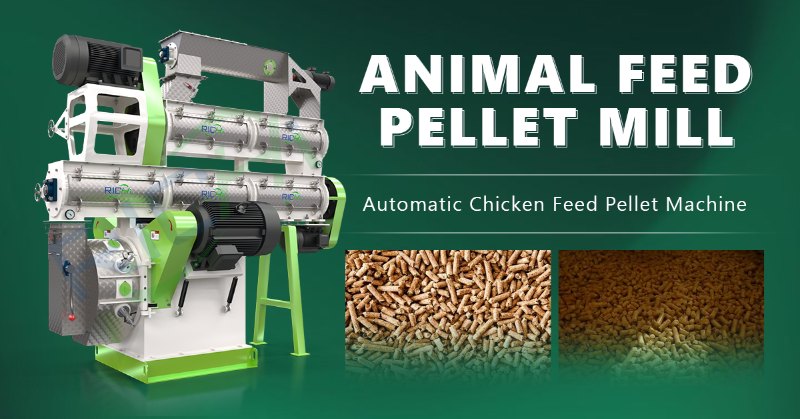
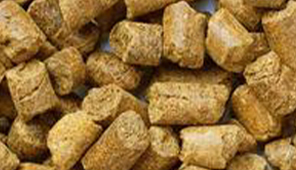
Una granuladora de piensos es una máquina que comprime materias primas en polvo suelto en gránulos compactos y uniformes de 2-12 mm de tamaño. Las materias primas más comunes son el maíz, el trigo, la harina de soja, la cáscara de arroz, la alfalfa, la hierba forrajera y diversas vitaminas y aditivos.
En la ganadería moderna, las granuladoras de piensos pueden utilizarse para producir piensos para aves de corral, ganado, rumiantes y acuicultura. Son adecuadas no sólo para explotaciones de mediana y gran escala, sino también para fábricas de piensos de todos los tamaños. Su versatilidad y eficacia las convierten en una pieza clave indispensable en la industria de los piensos.
RICHI ofrece una variedad de modelos con capacidades que van de 1 t/h a 40 t/h para satisfacer las necesidades de diversas escalas de producción. La máquina puede personalizar el diámetro de la matriz en función de la especie animal, adaptándose a una gran variedad de necesidades de procesamiento de piensos, y ha sido ampliamente reconocida por muchos ganaderos y fábricas de piensos.
Capacidad de producción
1-40 T/H
Tamaño de las partículas
2-12 mm
RICHI MAQUINARIA
Principio de funcionamiento de la fábrica de pellets para alimentación animal
Más información en Youtube canal.
Las granuladoras de piensos desempeñan un papel vital en el procesamiento moderno de piensos, transformando una gran variedad de materias primas en gránulos de alta calidad fáciles de almacenar, transportar y digerir. Comprender sus principios de funcionamiento puede ayudar a los clientes a entender mejor la ciencia que hay detrás del peletizado y a tomar decisiones más informadas a la hora de comprar equipos.
- Alimentación: Los ingredientes triturados y mezclados se introducen uniformemente en la cámara de prensado de la granuladora a través de un dispositivo de alimentación.
- Prensado con rodillos: Dentro de la cámara de prensado, unos rodillos pesados giran continuamente, presionando firmemente la capa de material contra la superficie de una matriz anular o plana. La matriz está equipada con numerosos orificios pequeños distribuidos uniformemente, que sirven de canales para el material que se va a extruir y conformar.
- Moldeado de pellets: Bajo los efectos combinados de la alta presión, la fricción y el calor, el alimento es forzado a pasar por los orificios de la matriz. Durante este proceso, el almidón se gelatiniza y la proteína se desnaturaliza, formando gradualmente hebras cilíndricas continuas.
- Corte: Tras la extrusión de los filamentos desde los orificios de la matriz, se cortan inmediatamente mediante cortadores giratorios afilados montados en el exterior de la matriz, formando gránulos de longitud uniforme, que pueden ajustarse según la configuración deseada.
RICHI MÁQUINA
Componentes principales y prestaciones De la fábrica de pellets para animales
Comprender los principales componentes de una granuladora de piensos es crucial para entender cómo funciona el equipo y elegir el modelo adecuado. Cada componente desempeña una función específica en el proceso de peletizado, trabajando conjuntamente para garantizar que los pellets finales sean uniformes, resistentes y de alta calidad.

Ventajas de RICHI Animal Feed Pellet Mill
Las granuladoras de piensos RICHI están diseñadas para que la producción de piensos sea más rápida, eficaz y fiable. Si conoce sus principales ventajas, entenderá por qué tantas granjas y fábricas de piensos de todo el mundo confían en RICHI. Éstas son algunas de las principales ventajas que los equipos RICHI ofrecen sobre los equipos estándar.
Alta eficacia
Funciona de forma rápida y continua, fabricando gran cantidad de gránulos de pienso en poco tiempo. Ayuda a las granjas a ahorrar tiempo y aumentar la producción.
Amplia aplicación
Puede procesar maíz, harina de soja, hierba, paja, etc., por lo que es adecuado para la alimentación de aves de corral, ganado vacuno, cerdos, ovejas e incluso peces.
Duradero y fiable
Utiliza componentes de alta calidad, como rodamientos SKF y motores Siemens, y funciona de forma suave y duradera con pocos fallos.
Tamaño de pellet ajustable
Puede cambiar fácilmente la longitud y el diámetro de los gránulos con el mango de la cuchilla y los troqueles, para que el pienso se adapte a las necesidades de los distintos animales.
Ahorro de energía
Utiliza menos electricidad sin dejar de producir mucho pienso, lo que ayuda a reducir los costes de las granjas y fábricas de piensos.
Fácil mantenimiento
Su sencillo diseño facilita la limpieza y el mantenimiento, ahorrando tiempo y reduciendo los costes de reparación.
RICHI MAQUINARIA
Especificaciones y parámetros de Fábrica de pellets para alimentación animal en venta
A la hora de elegir la granuladora de piensos adecuada, es importante conocer sus especificaciones técnicas y parámetros de rendimiento. RICHI Maquinaria ofrece una amplia gama de máquinas de fabricación de pellets para piensos con distintas capacidades para satisfacer sus necesidades específicas. Las siguientes secciones le proporcionarán una visión clara de las especificaciones y parámetros clave de nuestras granuladoras.
| Modelo | SZLH250 | SZLH320 | SZLH350 | SZLH420 | SZLH508 | SZLH558 | SZLH678 | SZLH768 |
| Potencia del motor principal (kW) | 22 | 37 | 55 | 110 | 160 | 185 | 250 | 315 |
| Potencia de alimentación (kW) | 1.1 | 1.5 | 1.5 | 1.5 | 1.5 | 1.5 | 1.5 | 2.2 |
| Acondicionador Potencia (kW) | 1.5 | 4 | 4 | 7.5 | 7.5 | 11 | 11 | 11 |
| Diámetro de la matriz anular (mm) | 250 | 320 | 350 | 420 | 508 | 558 | 673 | 762 |
| Diámetro del granulado acabado (mm) | 2~12 | |||||||
| Producción (t/h) | 1.0-1.5 | 3-4 | 5-6 | 10-12 | 15-16 | 20-22 | 30-33 | 38-40 |
Si necesita ayuda para elegir el modelo adecuado, póngase en contacto con nosotros e indíquenos sus necesidades de producción diarias, le recomendaremos el tipo más adecuado.
Proyecto global de Fábrica de pellets para alimentación animal
- RICHI Maquinaria -
Con más de 30 años de experiencia en el sector de la maquinaria para piensos, RICHI equipos para pellets productos se han instalado y puesto en funcionamiento con éxito en granjas y fábricas de piensos de más de 140 países y regiones de todo el mundo. Estos proyectos internacionales demuestran la fiabilidad, eficacia y adaptabilidad de nuestros equipos en diversos climas, materias primas y escalas de producción. Al explorar estos casos de aplicación en el mundo real, podrá comprender mejor cómo nuestros equipos satisfacen las diversas necesidades de nuestros clientes en todo el mundo.
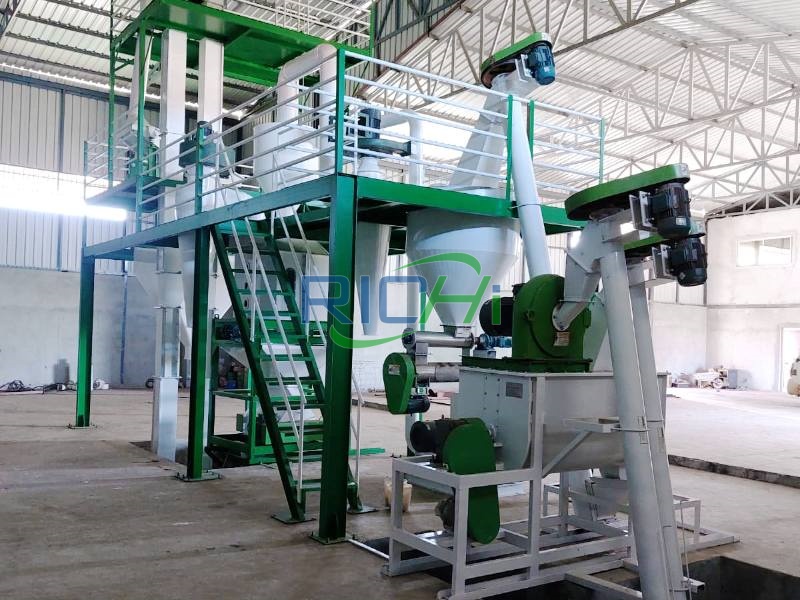
Alimentación Animal Pellet Mill para la venta angola
- Nombre del proyecto: planta de piensos
- País del proyecto: Angola
- Capacidad: 2T/H
- Materias primas: Maíz, harina de soja, torta de girasol
- Antecedentes del proyecto: A pesar del rápido desarrollo de la industria ganadera en Angola, los ganaderos locales han dependido durante mucho tiempo de los caros piensos importados. Para reducir costes, una empresa agrícola local invirtió en una línea de peletización de piensos de 2 toneladas/hora. Este proyecto utiliza los recursos locales de maíz y harina de semillas oleaginosas, reduciendo eficazmente los costes de los piensos y mejorando al mismo tiempo la calidad nutricional de las aves de corral y el ganado, lo que ayuda a los ganaderos a obtener mayores beneficios económicos.
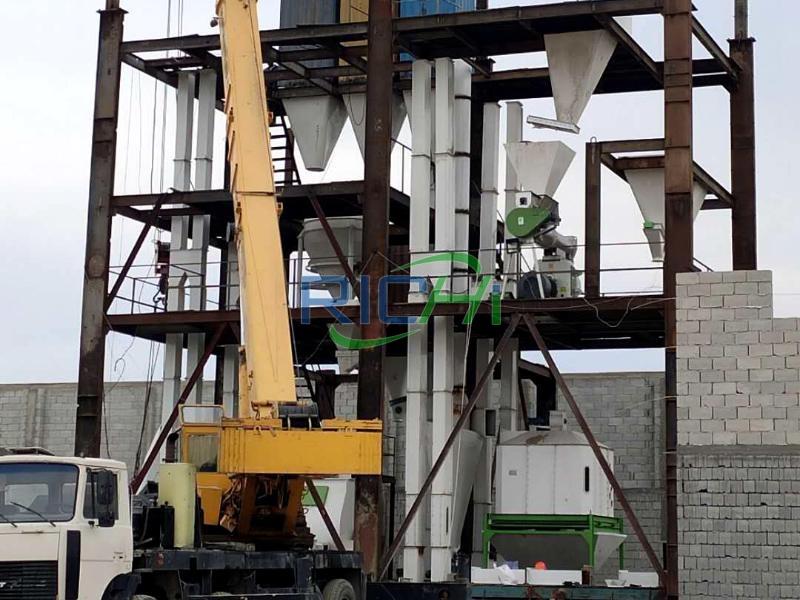
pellet feed mill máquina para la venta Uzbekistán
- Nombre del proyecto: planta de piensos para peces
- País del proyecto: Uzbekistán
- Capacidad: 10T/H
- Materias primas: Maíz, harina de soja, harina de pescado, salvado de trigo
- Antecedentes del proyecto: En Uzbekistán, la industria de la acuicultura se está desarrollando rápidamente debido a la creciente demanda de pescado. Un cliente local invirtió en una planta de peletización de piensos para peces de 10 toneladas/hora. Este sistema procesa maíz, harina de soja, harina de pescado y salvado en pellets flotantes y de hundimiento. Gracias a su calidad estable y su diámetro ajustable, este proyecto ayuda a los piscicultores a mejorar los índices de conversión, reducir los costes de producción y garantizar un suministro estable de pienso durante todo el año.

Alimentación Animal Pellet Mill para la venta Tanzania
- Nombre del proyecto: planta de procesamiento de piensos
- País del proyecto: Tanzania
- Capacidad: 1,5T/H
- Materias primas: Maíz, torta de algodón, hierba en polvo
- Antecedentes del proyecto: Tanzania tiene una larga tradición ganadera, pero la escasez de piensos en la estación seca limita gravemente la productividad. Este cliente invirtió en una línea de peletización de piensos de 2 toneladas/hora para garantizar el suministro de alimentos durante todo el año. Al transformar la harina de maíz y hierba en pellets, el proyecto mejora las condiciones de almacenamiento de los piensos, reduce los residuos y aumenta el crecimiento del ganado, ofreciendo una solución práctica a los pequeños ganaderos.

molino granulador de piensos en venta en malasia
- Nombre del proyecto: planta de peletización de piensos
- País del proyecto: Malasia
- Capacidad: 3T/H
- Materias primas: Maíz, cáscara de arroz, torta de palmiste, harina de pescado
- Antecedentes del proyecto: La acuicultura y la avicultura son industrias importantes en Malasia. Para satisfacer la creciente demanda de piensos de alta calidad, este cliente invirtió en una línea de peletización de piensos de 3 toneladas/hora. El sistema puede procesar diversas materias primas, como subproductos de palma y cáscara de arroz, transformando subproductos agrícolas en valiosos piensos. Este proyecto no sólo mejora la eficiencia de utilización de los piensos, sino que también promueve la utilización sostenible de los recursos.
¿Cómo garantiza la eficacia y la calidad en la línea de producción de pellets?
En las modernas líneas de producción de pellets, cada pieza del equipo de pellets desempeña un papel vital para garantizar una producción fluida y la calidad del producto. Entre ellos, la granuladora de piensos es uno de los eslabones indispensables. Tomando esta planta de 5-7 toneladas/hora línea de producción de pellets para piensos por ejemplo, cada pieza del equipo funciona en un proceso coordinado, desde la recepción de la materia prima, la trituración y la mezcla hasta el granulado, el enfriamiento y el envasado. Todo el proceso está perfectamente conectado.

- Sección de recepción: Tras la recepción, las materias primas se limpian y se someten a un tratamiento preliminar antes de pasar a la fase de trituración.
- Sección de trituración: Molinos de martillos para piensos SFSP pulverizar las materias primas hasta obtener un polvo fino para garantizar un granulado óptimo.
- Sección de mezcla: Las distintas materias primas se mezclan uniformemente en una mezclador de piensos, Pueden añadirse premezclas nutritivas para garantizar el equilibrio nutricional de cada gránulo.
- Sección de granulación: El pienso en polvo mezclado entra en el acondicionador, donde el vapor y el calor ablandan las materias primas. A continuación, el pienso acondicionado entra en la máquina granuladora de piensos‘en la cámara de prensado. A alta presión y temperatura, se extruye a través de la matriz, formando gránulos cilíndricos densos y uniformes. A continuación, un dispositivo de corte corta los gránulos en la longitud deseada. Este es el proceso central de la línea de producción, que determina directamente la calidad, la forma y la firmeza del granulado final.
- Sección de enfriamiento: Los pellets calientes se transfieren a una máquina enfriadora de pellets, reduciendo la temperatura y el contenido de humedad. Esto evita la deformación, la rotura y el crecimiento microbiano durante el almacenamiento.
- Sección de envasado: Los gránulos enfriados se tamizan para eliminar los finos, luego se pesan y se envasan por ensacadora de piensos para el transporte y la venta.
Como se muestra en esta línea de producción, la granuladora de piensos no es sólo un equipo auxiliar, sino también un eslabón importante para garantizar la calidad del producto y la eficiencia de la producción. Una granuladora de piensos bien diseñada puede ofrecer una solución eficaz y rentable para granjas medianas y grandes y fábricas de piensos de todos los tamaños.
Preguntas más frecuentes

¿Qué materias primas pueden utilizarse en una fábrica de pellets para piensos?
Su uso está muy extendido en la industria de procesamiento de piensos debido a su adaptabilidad y capacidad para procesar una amplia variedad de materias primas. En términos generales, las materias primas se clasifican en granos, proteínas, fibras, subproductos animales y aditivos, con fórmulas adaptadas al animal específico. Con una trituración y mezcla adecuadas, casi cualquier subproducto agrícola puede transformarse en pienso peletizado, lo que hace que este equipo sea muy eficiente y adaptable a una gran variedad de entornos de producción en todo el mundo.
¿Cómo elegir el modelo adecuado?
Elegir la granuladora de piensos adecuada requiere equilibrar las necesidades de producción, las materias primas y el presupuesto. En primer lugar, considere la capacidad de producción necesaria, ya sea para granjas medianas o grandes o para fábricas de piensos de varios tamaños. A continuación, confirme si el equipo puede procesar las materias primas que piensa utilizar, como maíz, trigo, harina de soja o heno. Tenga en cuenta también la potencia del motor, las especificaciones de las matrices y la durabilidad de los componentes clave, ya que estos factores influyen directamente en la calidad de los pellets y la vida útil del equipo. También es crucial elegir un proveedor con amplia experiencia, servicio posventa completo y capacidad para ofrecer soluciones personalizadas. La evaluación exhaustiva de estos factores le permitirá elegir una granuladora de piensos eficaz y fiable que ofrezca un rendimiento estable a largo plazo.
¿Cuánto cuesta una granuladora de piensos?
Precio de la peletizadora varía ampliamente, oscilando generalmente entre $7.000 y $850.000 dólares, dependiendo principalmente de la capacidad de producción, la configuración del equipo y el grado de automatización. Para los agricultores o los pequeños y medianos productores de piensos, los equipos más pequeños y de menor volumen suelen ser una opción más económica. En cambio, las fábricas de piensos de mayor tamaño requieren líneas de producción de gran capacidad y totalmente automatizadas que abarcan múltiples etapas, como la trituración, la mezcla, la granulación, el enfriamiento, el cribado y el envasado, lo que supone una inversión global más elevada. En general, el precio del equipo viene determinado no sólo por la capacidad de producción, sino también por la durabilidad, la eficiencia energética y los costes de mantenimiento a largo plazo. Elegir la granuladora adecuada puede garantizar un funcionamiento estable, reducir los costes de producción y mejorar la eficiencia manteniendo una inversión razonable.
¿Puede utilizarse una sola máquina en una línea de producción completa?
Sí, una granuladora de piensos puede ser el equipo central de una línea completa de producción de piensos. En la mayoría de las fábricas de piensos modernas, una granuladora suele estar integrada con otros equipos para formar un sistema de producción automatizado completo. Las materias primas se trituran primero en una picadora y luego se mezclan uniformemente con vitaminas, minerales y aditivos en una mezcladora. A continuación, esta mezcla se introduce en un molino de gránulos, donde se prensa para formar gránulos a alta temperatura y presión. Una vez formados, los gránulos se enfrían para eliminar el exceso de calor y humedad, y se tamizan para garantizar un tamaño de partícula uniforme. Por último, se envasan para facilitar su almacenamiento o transporte. Integrando la peletizadora con otros equipos, como los de trituración, mezcla, refrigeración, cribado y envasado, la producción de piensos no sólo es más eficaz, sino que también garantiza la calidad de los pellets y una producción estable a gran escala.

