

Viehfutterpelletiermühle zu verkaufen
Viehfutter-Pellet-Mühle ist die zentrale Ausrüstung in den verschiedenen Viehfutter-Anlagen, vor allem für die Herstellung von kompletten Viehfutter-Pellets, einschließlich Kuh, Rind, Ziege, Kamel, Pferd, Schwein Futter-Pellets und so weiter. Nun, lassen Sie uns mehr über RICHI Viehfutter-Pellet-Mühle zum Verkauf lernen.
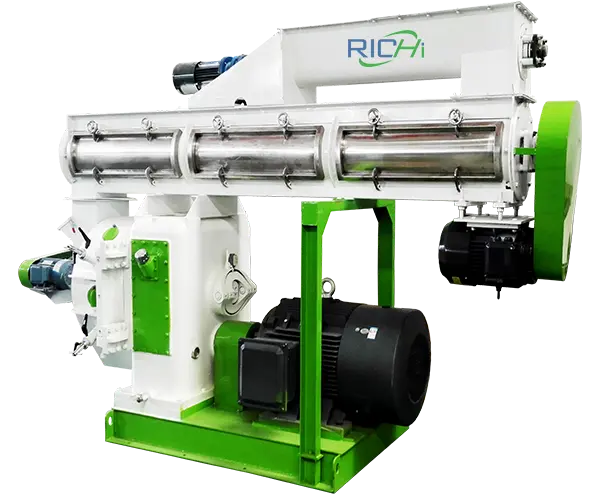
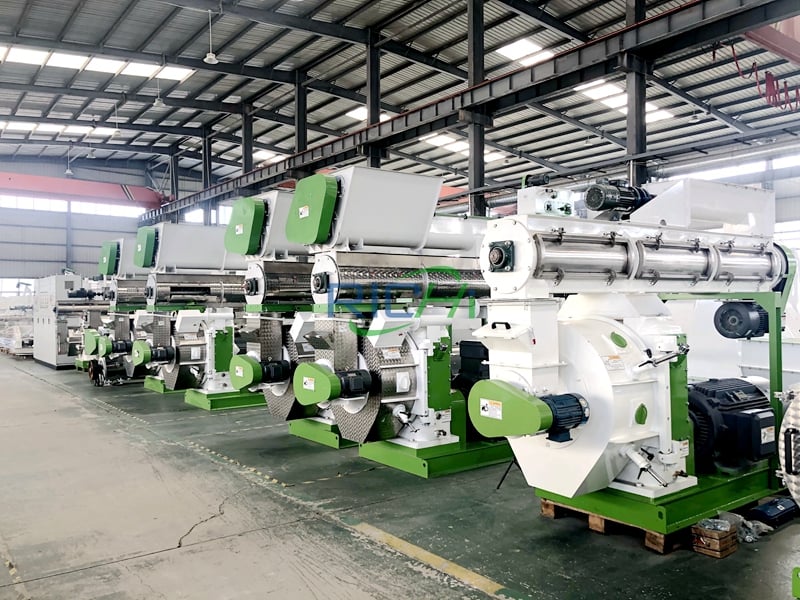
UnterProduktion von RICHI 0.7-40T/H Tierfutter-Pelletiermühle
Unsere 0,7-40T/H Viehfutterpelletmühlen können 1-100T/H verschiedene Viehfutterpellets und andere Tierfutterpellets produzieren.
- Baureihe: RICHI SZLH Serie Viehfutter Pellet Maschine
- Viehfutter-Pelletiermühle Preis: 7.000 - 100.000 Dollar
- Art: Ringmatrize Futtermittelpelletiermaschine
- Kapazität: 0,7-40T/H
- Durchmesser der Pellets: 2-12 mm
- Leistung des Hauptmotors: 22-280 kW
- Anpassbar: Ja
- Rohstoffe für Tierfutterpellets: Mais, Weizen, Weizenkleie, Sojabohnen, Sojaschrot, Rapsschrot, Gras, Luzerne, Stroh und so weiter.
- Anwendungen: 1-100T/H Produktionslinien für Tierfutterpellets; Rinder-, Schaf-, Pferde-, Schweine- und andere Tierfutteranlagen; große Vieh- oder Geflügelfarmen, etc.
- Schlüsselfertige Dienstleistungen von RICHI Machinery: Beratung, kundenspezifische Lösungen und Ausrüstungen für die Tierfutterproduktion, Herstellung von Tierpellet-Maschinen, Bau von Tierfutteranlagen, Installation und Fehlersuche, kostenloser technischer Support, Garantie für die Ausrüstung, usw.
Technische Parameter der RICIH SZLH Viehfutter-Pelletiermühle zu verkaufen
RICHI SZLH Viehfutter-Pellet-Mühlen haben mehrere Modelle, und RICHI Machinery kann auch Ihre eigenen Vieh-Pellet-Maschine anpassen.
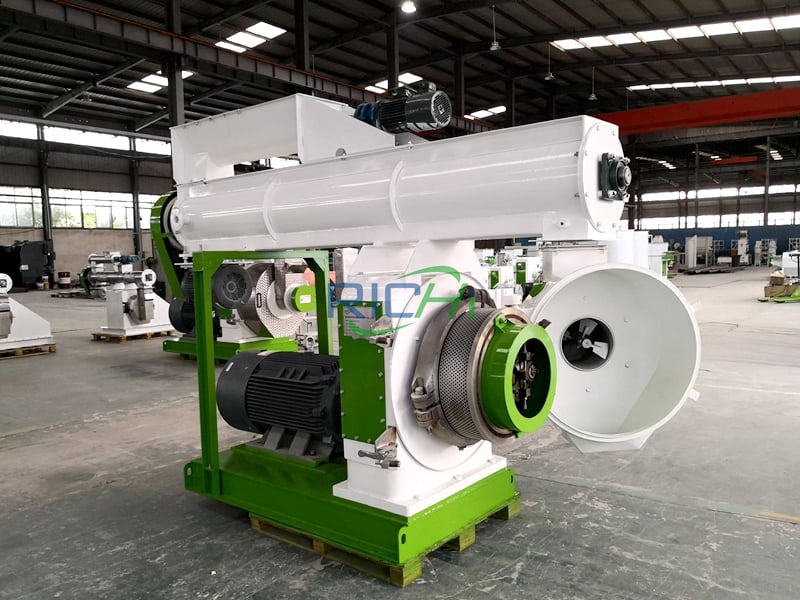
SZLH320 Viehfutter-Pelletiermaschine
- Kapazität: 0,7-4T/H
- Leistung des Hauptmotors: 22 kW
- Leistung der Zwangseinspeisung: 1,1 kW
- Leistung des Klimageräts: 2,2 kW
- Durchmesser der Ringmatrize: 320 mm
- Endgültiger Pellet-Durchmesser: 2-12 mm
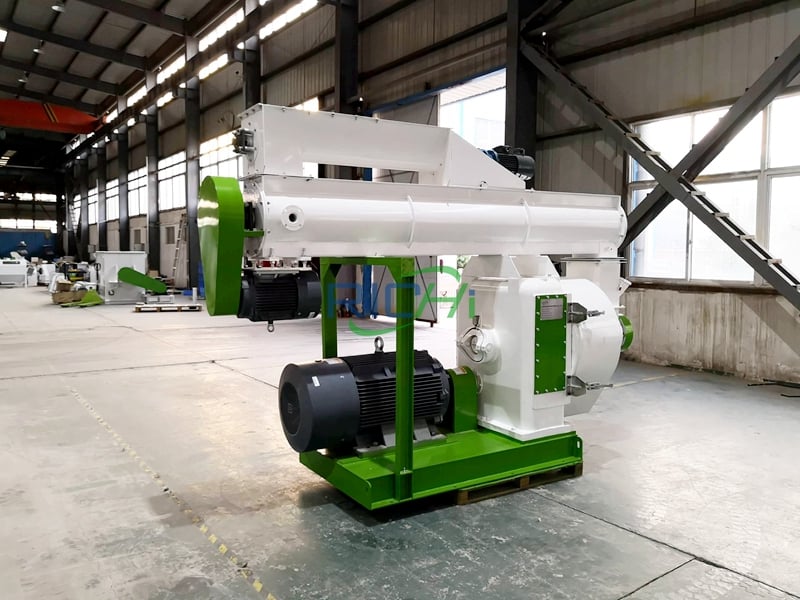
SZLH350 Viehpelletiermaschine
- Kapazität: 1-6T/H
- Leistung des Hauptmotors: 37 kW
- Erzwungene Einspeiseleistung: 1,5 kW
- Leistung des Klimageräts: 4 kW
- Durchmesser der Ringmatrize: 350 mm
- Endgültiger Pellet-Durchmesser: 2-12 mm

SZLH420 Viehfutter-Pelletiermühle zu verkaufen
- Kapazität: 2-10T/H
- Leistung des Hauptmotors: 90 kW
- Erzwungene Einspeiseleistung: 1,5 kW
- Leistung des Klimageräts: 7,5 kW
- Durchmesser der Ringmatrize: 420 mm
- Endgültiger Pellet-Durchmesser: 2-12 mm
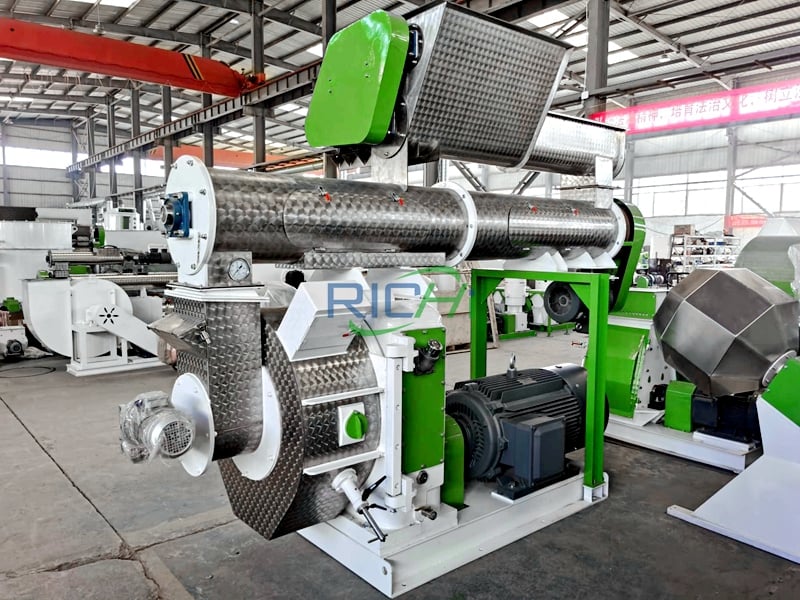
SZLH520 Viehfutter-Pelletiermaschine
- Kapazität: 3-15T/H
- Leistung des Hauptmotors: 132 kW
- Erzwungene Einspeiseleistung: 1,5 kW
- Leistung des Klimageräts: 7,5 kW
- Durchmesser der Ringmatrize: 520 mm
- Endgültiger Pellet-Durchmesser: 2-12 mm
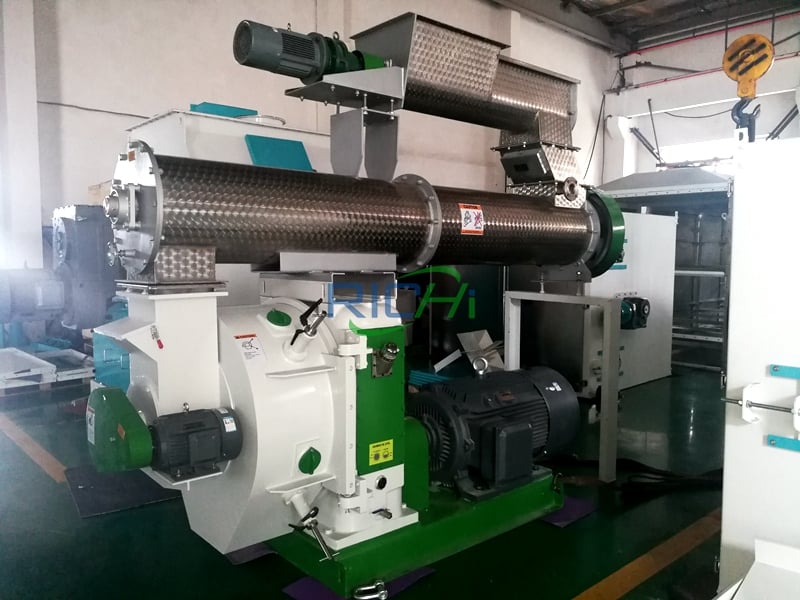
SZLH768 Ziegenfutter-Pelletiermaschine
- Kapazität: 4-30T/H
- Leistung des Hauptmotors: 250 kW
- Leistung der Zwangseinspeisung: 2,2 kW
- Leistung des Klimageräts: 11 kW
- Durchmesser der Ringmatrize: 768 mm
- Endgültiger Pellet-Durchmesser: 2-12 mm
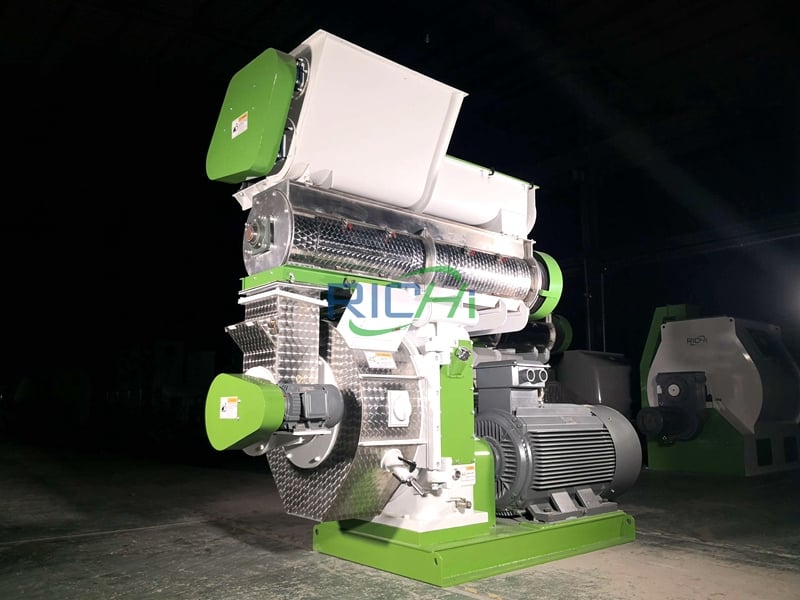
SZLH858 Schweinefutter-Pelletiermaschine
- Kapazität: 5-40T/H
- Leistung des Hauptmotors: 280 kW
- Leistung der Zwangseinspeisung: 3kw
- Leistung der Aufbereitungsanlage: 15 kW
- Durchmesser der Ringmatrize: 858 mm
- Endgültiger Pellet-Durchmesser: 2-12 mm
Merkmale der RICHI Viehfutterpelletiermühle
Mit hoher Qualität, hoher Kapazität, geringem Stromverbrauch, stark und langlebig, gute Stabilität und andere Vorteile, RICHI Tierfutter Pellet-Mühlen haben die gute Wahl der Tierfutterherstellung Geschäft geworden.
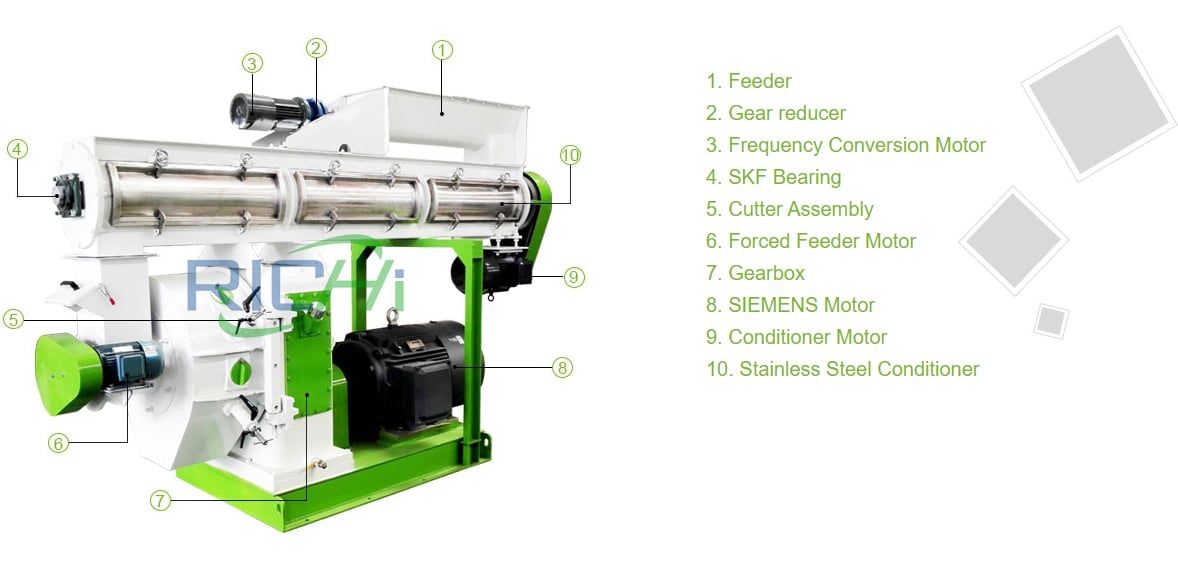
- Der Zubringer mit variabler Frequenz und Zwangszuführung sorgt für eine gleichmäßige Zuführung.
- Edelstahlkonditionierer mit größeren Abmessungen ermöglichen eine vollständige Modulation des Futters.
- Die Hebevorrichtung ist praktisch für den Austausch der Ringmatrize.
- Ringmatrize aus rostfreiem Stahl: reduziert die Abnutzung der Verschleißteile.
- Zwangsspeisung: für die Granulierung des Futters.
- Siemens Motor: Markenzubehör, Qualitätssicherung.
- Hochwertige importierte Lager und Öldichtungen: effizientere und stabilere Übertragung.
Anwendungen der RICHI Tierfutter-Pelletiermühle
Die Anwendungen der RICHI Tierfutterpelletmühlen in der Tierfutterherstellung, in der Tierfutterfabrik und in der Tierfutterproduktionslinie.
Viehfutterherstellung
Die Nachfrage nach Fleisch, Eiern und Milch ist ungebrochen, so dass der Boom in der Futtermittelherstellung ebenfalls nachhaltig ist. Allerdings müssen wir die Art von Tierfutter produzieren, die mit den modernen landwirtschaftlichen Zucht- und Aufzuchtmethoden vereinbar ist.
Die von der Tierfutterpelletiermaschine hergestellten hochdichten Vollfutterpellets können die ernährungsphysiologische Klassifizierung von Futtermitteln vermeiden, die wählerische Fresssituation von Tieren verbessern, die Verdaulichkeit und die Absorptionsrate von Futtermitteln für Tiere verbessern und das Wachstum von Tieren beschleunigen. Reduzieren Sie die Zuchtkosten und realisieren Sie die Kreislaufwirtschaft. Daher ist die Tierfutterpelletiermaschine in der Tierfutterherstellung weit verbreitet. Für Investoren ist die RICHI Viehfutterpelletiermaschine auch ein profitables Projekt.

Viehfutterfabrik
Viehfutterpelletiermaschine ist die Hauptausrüstung der Viehzucht Tierfutter-Pelletiermühle. Die Auswahl oder Anpassung der Geflügelpellet-Maschine muss je nach den Rohstoffen der Tierfutteranlage, dem Bedarf an Futterpellets und der erforderlichen Pelletgröße erfolgen.
RICHI Viehfutter-Pellet-Maschinen sind bereits in vielen Viehfutter-Pellet-Anlagen auf der ganzen Welt weit verbreitet. Einige dieser Viehfutterfabriken werden von RICHI Machinery neu gebaut, einige werden aufgerüstet, und einige sind der Ersatz der Ausrüstung. Darüber hinaus können wir das Problem der Futtermittelanlage Produktionsanlagen Layout für Kunden zu lösen. Unabhängig von der Art der Futtermittelanlage bringen unsere Futtermittelanlagen eine effiziente Produktion und erhebliche Gewinne.

Produktionslinie für Tierfutterpellets
Da die Rohstoffe für Tierfutter ähnlich sind, sind nur die Formeln unterschiedlich. Daher kann RICHI Tierfutter-Pellet-Maschine weit in verschiedenen Tierfutter-Pellet-Produktionslinien, wie Geflügel, Vieh, aquatische Futtermittel-Pellet-Produktionslinien verwendet werden.
Die Tierfutterpelletmaschine wird für den Pelletierabschnitt der Tierfutterpelletproduktionslinie verwendet, der Pelletierabschnitt ist der Kernabschnitt der Tierfutterpelletproduktionslinie. Durch die Änderung der Ringmatrize können verschiedene Größen von Tierfutterpellets hergestellt werden, wie 2mm, 4mm, 8mm, 10mm, 12mm, etc.
Wir können Tierfutterpellet-Produktionslösungen entwerfen und die Ausrüstung anpassen. Darüber hinaus, wenn Sie spezielle Pelletierung Bedürfnisse haben, können Sie uns kontaktieren, um die Pellet-Maschine anpassen.
Technologie und Ausrüstung zur Herstellung von Tierfutter
Um den Anforderungen der modernen Viehzucht gerecht zu werden, setzt RICHI fortschrittliche Technologien und Anlagen zur Herstellung von Viehfutter ein, um landwirtschaftliche Rohstoffe zu Viehfutterpellets mit guter Schmackhaftigkeit, umfassender Ernährung und geringer Morbidität zu verarbeiten.
01
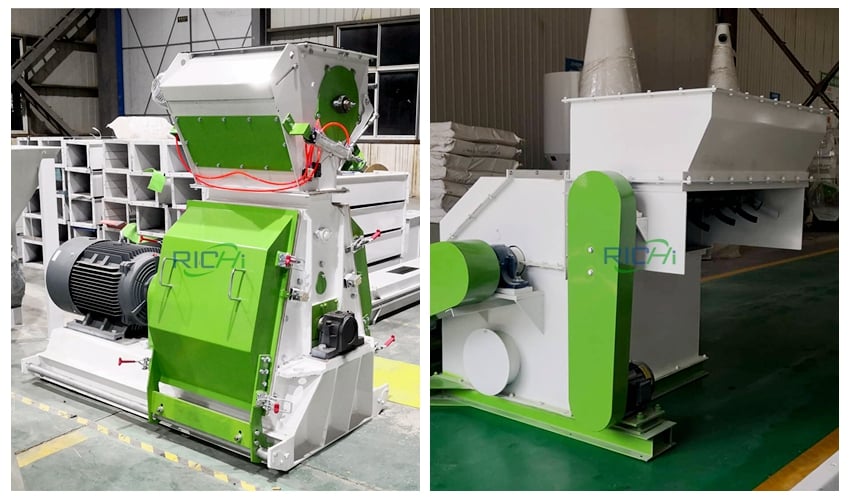
Zerkleinerung von Rohmaterial: die Wahl des Brechers
Bei den Rohstoffen für Tierfutter handelt es sich in der Regel um Getreide und Gräser, und um sie zu Futterpellets zu verarbeiten, müssen diese Rohstoffe zunächst zerkleinert werden.
Mais, Weizen, Sojaschrot und andere Getreiderohstoffe werden in der Regel mit dem Wassertropfenbrecher der Serie RICHI SFSP zerkleinert. Die Getreidequetsche hat die Vorteile einer vernünftigen sekundären Brecherstruktur und einer hohen Ausbeute. Die Zerkleinerungsgröße beträgt normalerweise 0,8-4 mm.
Für die Zerkleinerung von Gras werden in der Regel Hammermühlen verwendet, die für leichte Materialien ausgelegt sind. Der Grasbrecher verfügt über einen Aufgeber mit Druckvorrichtung, und die Brechkammer ist größer, was für die Zerkleinerung von Futter, Stroh, Reishülsen, Luzerne und anderen leichten Materialien besser geeignet ist. Die Zerkleinerungsgröße beträgt im Allgemeinen 2-6 mm.
02
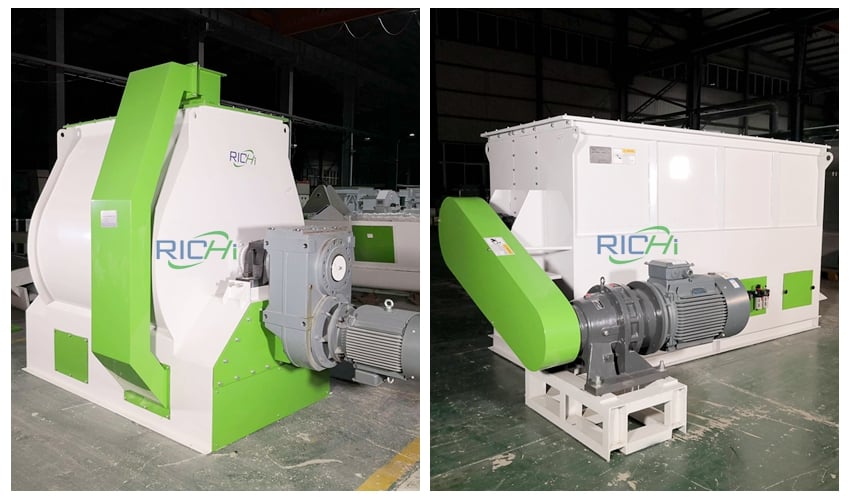
Das Mischen von Materialien nach dem Brechen: die Vorteile der Futtermischmaschine
Das gleichmäßige Mischen des zerkleinerten Materials ist die Grundlage für die Herstellung hochwertiger Futterpellets. Der Anteil dieser Materialien richtet sich natürlich nach der Futterrezeptur.
Bei der Herstellung von Schweinefutterpellets enthalten die Rohstoffe in der Regel kein oder nur sehr wenig Gras. In der Mischabteilung wird in der Regel ein Einwellen-Doppelschicht-Paddelmischer der Serie RICHI SLHT verwendet. Der Futtermischwagen hat eine hohe Mischgleichmäßigkeit von 97,7% und eine kurze Mischzeit von 2-3 Minuten pro Charge.
Wenn die Produktion von Rinder- und Schafsfutterpellets, das Rohmaterial in der Regel Gras enthält, wird der Mischbereich SLHY Serie Einzelwellen-Doppelbandmischer wählen. Der Futtermischer hat ein großes Nutzvolumen (0,5-5m³), das mehr Grasmehl aufnehmen kann.
03
Abschnitt Pelletierung: Wie funktioniert die Viehpelletiermaschine?
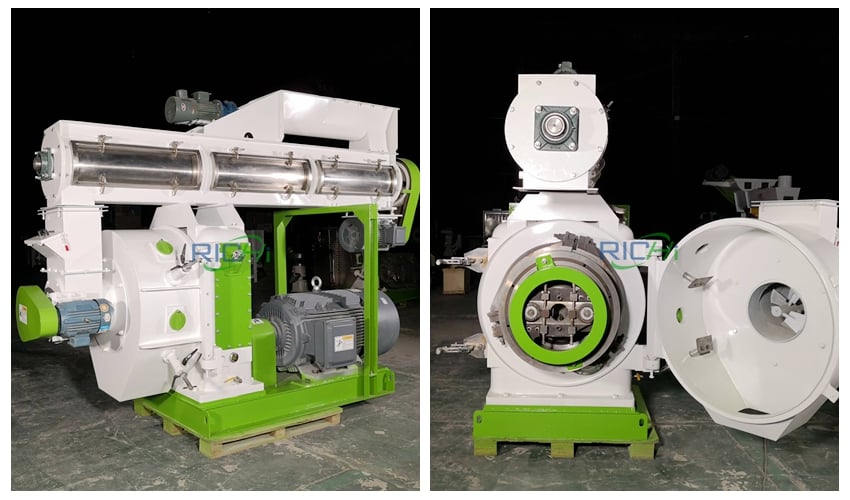
Der Pelletierbereich ist das Herzstück der Technologie zur Herstellung von Tierfutterpellets. Die Hauptausrüstung ist die RICHI SZLH-Serie der Tierfutterpelletiermühle. Die endgültige Pellet-Kapazität, die Formungsrate, das Aussehen und die Qualität sind eng mit der ausgewählten Tierfutter-Pellet-Maschine verbunden.
Die zerkleinerten und gemischten Materialien gelangen durch den Aufgeber in den Konditionierer der Pelletiermaschine. Die Aufgabe des Konditionierers ist es, die Materialien zu härten, zu gelieren und zu sterilisieren. Die aufbereiteten Materialien gelangen durch die Rutsche in die Granulierkammer. Die Materialien werden durch die Presswalze und die Ringmatrize in der Pelletierkammer stark gepresst und durch die Ringmatrizenöffnung extrudiert. Der Cutter zerschneidet das extrudierte hochdichte Säulenfutter in kleine Segmente, um die endgültigen Tierfutterpellets zu formen.
04
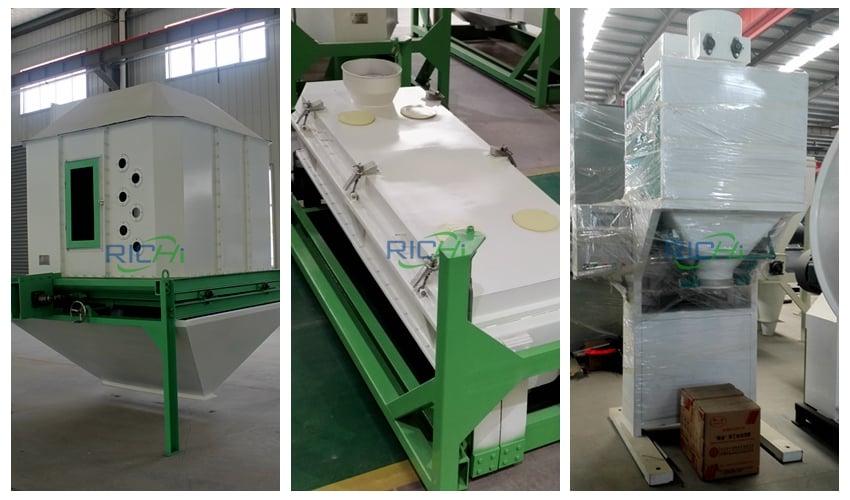
Kühlen, Sieben und Verpacken
Die Temperatur der Futterpellets aus der Viehpelletiermaschine beträgt etwa 80 °C. Diese Pellets sind leicht zu zerbrechen und lassen sich nicht gut verpacken und lagern. Daher verfügen Tierfutterwerke in der Regel über einen Pelletkühler, und die Temperatur der gekühlten Pellets liegt nicht mehr als 5 °C über der Raumtemperatur.
Die Funktion der Siebung besteht darin, die gekühlten Futtermittelpellets je nach Größe in drei Kategorien einzuteilen: zu klein, mittelgroß und zu groß. Sowohl zu kleine als auch zu große Pellets können recycelt und in der Produktionslinie für Futtermittelpellets erneut pelletiert werden. Dadurch kann die Qualität der Pellets verbessert und die Futtermittelverschwendung verringert werden.
Die gesiebten Futterpellets gelangen in das Verpackungssystem, um den letzten Schritt der Herstellung von Viehfutterpellets abzuschließen. Verpackte Futterpellets sind platzsparend und lassen sich leicht transportieren und lagern.
RICHI MASCHINEN
ein Lieferant von Viehfutterpelletiermaschinen aus China
Gegründet im Jahr 1995, Henan RICHI Machinery Co, Ltd. ist ein weltweiter Lieferant, Hersteller und Exporteur von Futtermittelmaschinen und Biomassepelletanlagen. Wir haben zwei Fabriken in Henan, einer großen landwirtschaftlichen Provinz in China, und Kunden aus verschiedenen Ländern besuchen unsere Fabrik jeden Tag.
RICHI ist eine bekannte Marke in der Futtermittelindustrie. Bei der Herstellung von Futtermittelpelletieranlagen werden hochwertige Materialien und international fortschrittliche Produktionstechnologie eingesetzt.
Wir können unseren Kunden schlüsselfertige Lösungen für die Herstellung von Viehfutterpellets anbieten. Ob Sie 0,7-40T/H Vieh- und Geflügelfutter-Pellet-Maschine wollen, oder eine Geflügel- und Viehfutter-Pellet-Anlage bauen wollen, RICHI Machinery kann Ihnen einen Rundum-Service bieten. Sie können uns per E-Mail, Whatsapp, Telefon, etc. kontaktieren.
RICHI MASCHINEN
Verwandte Fälle von Viehfutterpelletiermühle
Unsere Geräte wurden in die Vereinigten Staaten, nach Mexiko, Island, Russland, Polen, Usbekistan, Thailand, Kenia, Australien und in mehr als 140 Länder und Regionen verkauft.
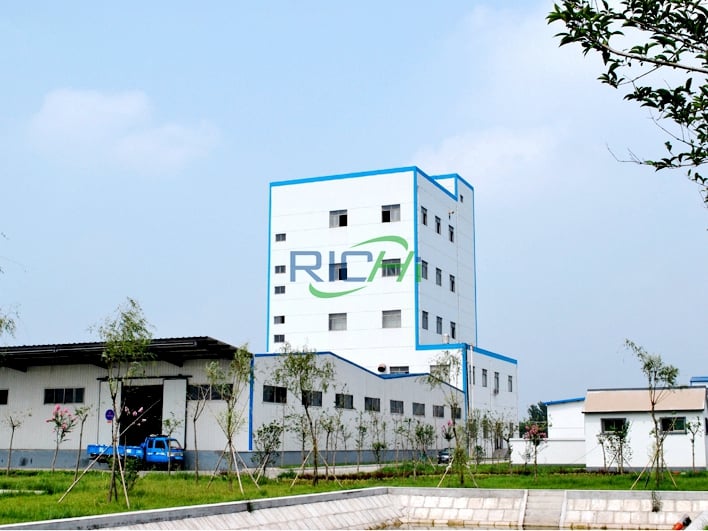
10T/H Viehfutterpelletiermühle zu verkaufen Mauretanien
- Land: Mauretanien
- Projekttermin: 17. November 2022
- Projektgröße (Länge * Breite * Höhe): 14m *7m *15 m
3-4T/H Produktionslinie für Viehfutterpellets mit 80% frischem Gras
- Region: Hongkong , China
- Projekttermin: 1. November 2019
- Projektgröße (Länge * Breite * Höhe): 60m * 24m * 12m

5-6T/H Rinderfutter- und 10T/H Hühnerfutter-Pelletieranlage
- Land: Saudi-Arabien
- Projekttermin: 30. März 2018
- Projektgröße (Länge * Breite * Höhe): 16m * 8m * 12m
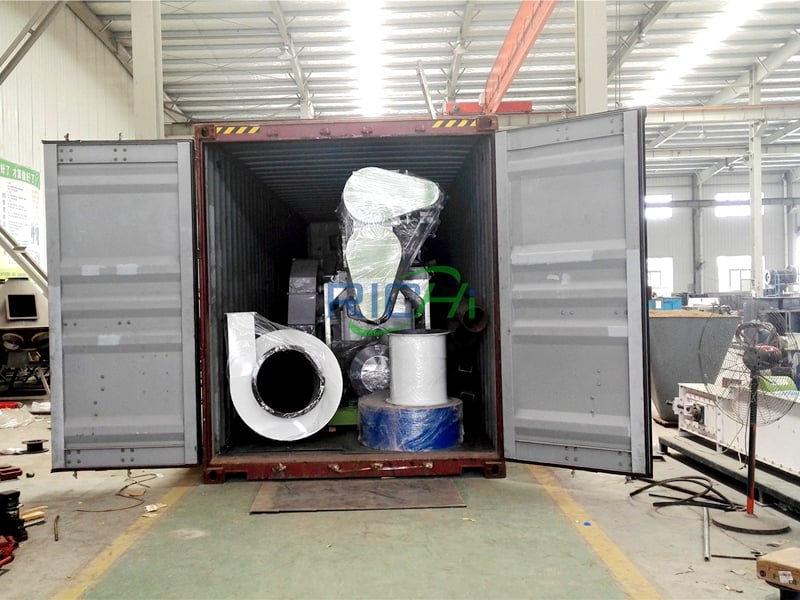
3-5T/H Wiederkäuer-Futterpelletieranlage
- Land: Indonesien
- Projekttermin: 9. April 2018
- Projektgröße (Länge * Breite * Höhe): 10m * 5m * 12m
Häufig gestellte Fragen
Häufig gestellte Fragen
Hier klicken jetzt zu kaufen.
Warum sollte die Ringmatrize der Tierfutterpelletiermühle regelmäßig gewechselt werden?
Die Ringmatrize ist das Hauptarbeitsteil der Tierfutterpelletiermühle, und sie ist auch ein Verschleißteil. Langfristiger Betrieb der Geflügelfutter-Pelletiermühle führt zu Verschleiß der Ringmatrize und der Matrizenlöcher. Die Abnutzung der Matrizenlöcher führt zu einer geringeren Festigkeit der Pellets, mehr Pulver und einer geringeren Formungsrate.
Der regelmäßige Austausch der Ringmatrize verbessert die Pelletbildungsrate, die Oberflächenglätte und die Festigkeit. Außerdem spart eine neue Ringmatrize mehr Energie als eine abgenutzte Ringmatrize.
Es ist zu beachten, dass die Ringmatrize zur gleichen Zeit wie die Walzen ausgetauscht werden muss, da ihre Installation relativ zueinander ist und die Abnutzung zur gleichen Zeit erfolgt.
RICHI's Tierfutter-Pelletiermühle ist mit einer Hebevorrichtung ausgestattet, die den Austausch der Ringmatrize erleichtert. Und wir passen in der Regel mehrere Ringmatrizen für Kunden für einfachen Austausch.
Wozu dient eine Pelletpresse für Viehfutter?
Eine Tierfutterpelletmühle ist ein komplettes System zur Verarbeitung von Rohstoffen wie Mais, Sojaschrot, Weizenkleie, Gras, Luzerne und anderen landwirtschaftlichen Nebenprodukten zu hochverdichteten Futterpellets für Rinder, Schafe, Ziegen und andere Tiere. Im Vergleich zu Breifutter bieten Pelletfutter eine bessere Schmackhaftigkeit, eine höhere Nährstoffausnutzung und eine einfachere Lagerung und Beförderung.
Viehfutterpelletierpressen sind in mittleren und großen landwirtschaftlichen Betrieben, kommerziellen Futtermittelfabriken und integrierten Zuchtbetrieben weit verbreitet. Für Kunden, die eine zuverlässige Viehfutterpelletiermühle zum Verkauf, Eine gut konfigurierte Pelletpresse kann die Produktionseffizienz und die langfristige Futterqualität erheblich verbessern.
Ich habe einen Viehzuchtbetrieb, in dem ich Milchkühe und Rinder züchte. Wie viel muss ich investieren, um Futterpellets selbst herzustellen?
Wenn Sie einen Viehzuchtbetrieb mit Milchkühen und Rindern besitzen und Futterpellets für den Eigenbedarf herstellen wollen, hängt die Gesamtinvestition hauptsächlich von Ihrem täglichen Futterbedarf, Ihrer Produktionskapazität und Ihrem Automatisierungsgrad ab.
Bei der Pelletsproduktion auf Betriebsebene spiegeln sich die Kosten für die Kernausrüstung in den Viehfutterpelletiermaschine Preis, die im Allgemeinen zwischen 7.000 und 85.000 USD liegt. Diese Art von Anlage ist für mittelgroße Betriebe geeignet und umfasst in der Regel eine Pelletiermaschine, ein einfaches Fütterungssystem und eine Kühleinheit.
Wenn Sie planen, ein kompletteres System mit Mahlen, Mischen, Pelletieren, Kühlen und Verpacken zu bauen - insbesondere für einen langfristigen, stabilen Betrieb -, muss das Gesamtsystem Kosten einer Anlage zur Herstellung von Viehfutter liegt in der Regel zwischen USD 10.000 und USD 2.800.000, je nach Größe, Leistung und Konfiguration der Anlage. Eine gut konzipierte Produktionslinie kann die Futterkosten erheblich senken und gleichzeitig eine gleichbleibende Futterqualität sowohl für Milch- als auch für Fleischrinder gewährleisten.

Eine Frage?
Sie können alles fragen, was Sie über Feedback wissen möchten.

