
Anlage zur Herstellung von Biomasse-Pellets
Eine Anlage zur Herstellung von Biomassepellets kann land- und forstwirtschaftliche Abfälle wie Holzspäne, Stroh und Reishülsen effizient in hochdichte Brennstoffpellets umwandeln. Als effiziente und umweltfreundliche Lösung für erneuerbare Energien trägt sie zur Verringerung der Kohlenstoffemissionen und zur vollständigen Nutzung der natürlichen Ressourcen bei.

Was ist eine Anlage zur Herstellung von Biomassepellets?
Eine Anlage zur Herstellung von Biomassepellets ist ein komplettes Produktionssystem zur Umwandlung verschiedener land- und forstwirtschaftlicher Abfallstoffe wie Sägemehl, Holzspäne, Reishülsen, Stroh, Maisstängel und Palmschalen in saubere, hochdichte Brennstoffpellets. Diese Pellets bieten eine stabile Verbrennung und eine hohe Energieeffizienz, was sie zu einer idealen Alternative zu herkömmlichen Energiequellen wie Kohle, Öl und Erdgas macht. Sie werden in großem Umfang zum Heizen, zur Stromerzeugung und für verschiedene industrielle Anwendungen eingesetzt.
Während des Produktionsprozesses durchlaufen die Rohstoffe eine Reihe von Schritten: Zerkleinern, Trocknen, Pelletieren, Kühlen und Verpacken. Das Kernstück dieses Systems ist die Biomasse-Pelletierpresse, die die verarbeiteten Rohstoffe durch Hochtemperatur- und Hochdruckextrusion zu zylindrischen Pellets mit einem Durchmesser von typischerweise 2-12 mm presst. Das System umfasst außerdem wichtige Ausrüstungen wie Brecher, Trockner, Kühler, Förderer und eine automatische Verpackungsmaschine, die eine stabile, effiziente und hochwertige Produktion gewährleisten. Die Produktionskapazität kann flexibel an den jeweiligen Bedarf angepasst werden und reicht von kleinen Produktionslinien mit einer Kapazität von 0,3 Tonnen pro Stunde bis hin zu großen industriellen Produktionslinien mit einer Kapazität von über 40 Tonnen pro Stunde, die alle automatisiert werden können.
Nach der Verarbeitung werden die zuvor losen, sperrigen Biomasseabfälle in dichte Brennstoffpellets umgewandelt, die sich leicht lagern und transportieren lassen. Dieser Umwandlungsprozess senkt nicht nur die Lager- und Transportkosten für Rohstoffe, sondern erhöht auch den wirtschaftlichen Wert der land- und forstwirtschaftlichen Nebenprodukte erheblich.
Durch diese systematische Produktionsmethode bietet die Anlage zur Herstellung von Biomassepellets nicht nur eine zuverlässige Quelle für erneuerbare Brennstoffe, sondern verkörpert auch das Konzept der Kreislaufwirtschaft - die Umwandlung von Abfällen in Ressourcen und Energie - und trägt so zur Erreichung der globalen Ziele für eine kohlenstoffarme Entwicklung und den Umweltschutz bei.

Wie stellt man Biomassepellets her?
Um Ihnen ein intuitiveres Verständnis für die Funktionsweise einer Anlage zur Herstellung von Biomassepellets zu vermitteln, zeigt das folgende Video den gesamten Prozess der Pelletproduktion. Von der Vorbehandlung des Rohmaterials über die Zerkleinerung, Trocknung, Pelletierung und Kühlung bis hin zur Endverpackung ist jeder Schritt sorgfältig geplant, um eine hohe Produktionseffizienz und gleichbleibende Pelletqualität zu gewährleisten. In diesem Video sehen Sie deutlich, wie land- und forstwirtschaftliche Abfälle durch die fortschrittlichen Anlagen und das ausgeklügelte technische Design von RICHI in hochdichte Pellets für erneuerbare Energien umgewandelt werden.
Arbeitsprozess der Anlage zur Herstellung von Biomasse-Pellets
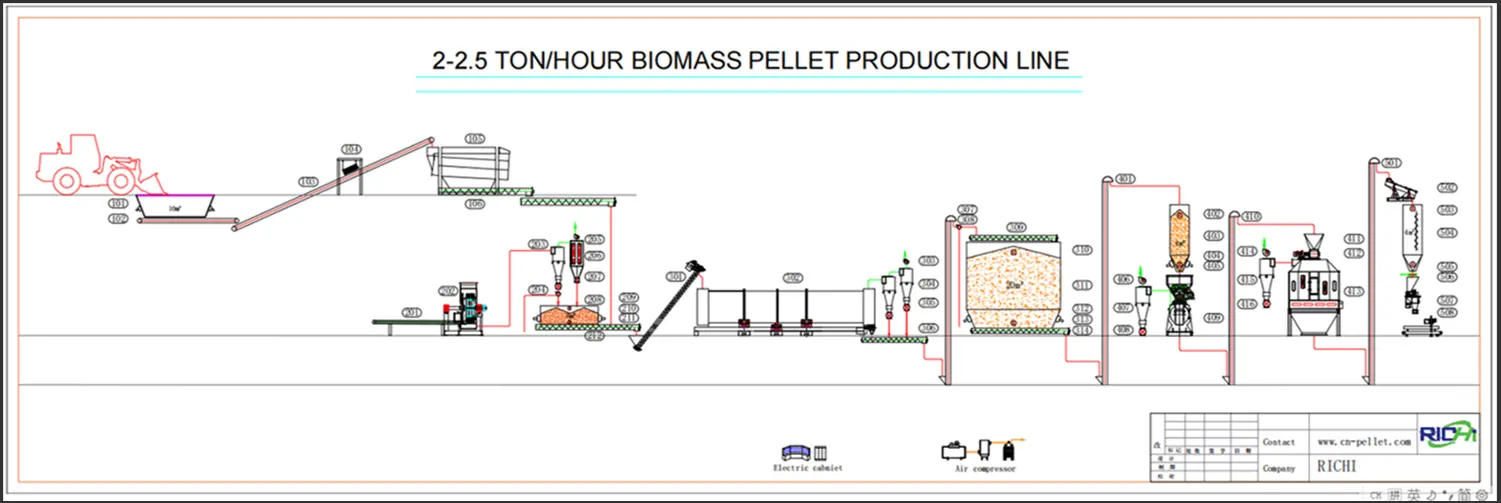
Der Produktionsprozess eines Biomasse-Pelletieranlage erfolgt in der Regel in folgenden Schritten: Vorbehandlung → Zerkleinern → Trocknen → Pelletieren → Kühlen und Sieben → Verpacken. Jeder Schritt ist wichtig, um hochwertige Pellets und einen reibungslosen Betrieb zu gewährleisten.
1. Sammlung und Vorbehandlung von Rohmaterial
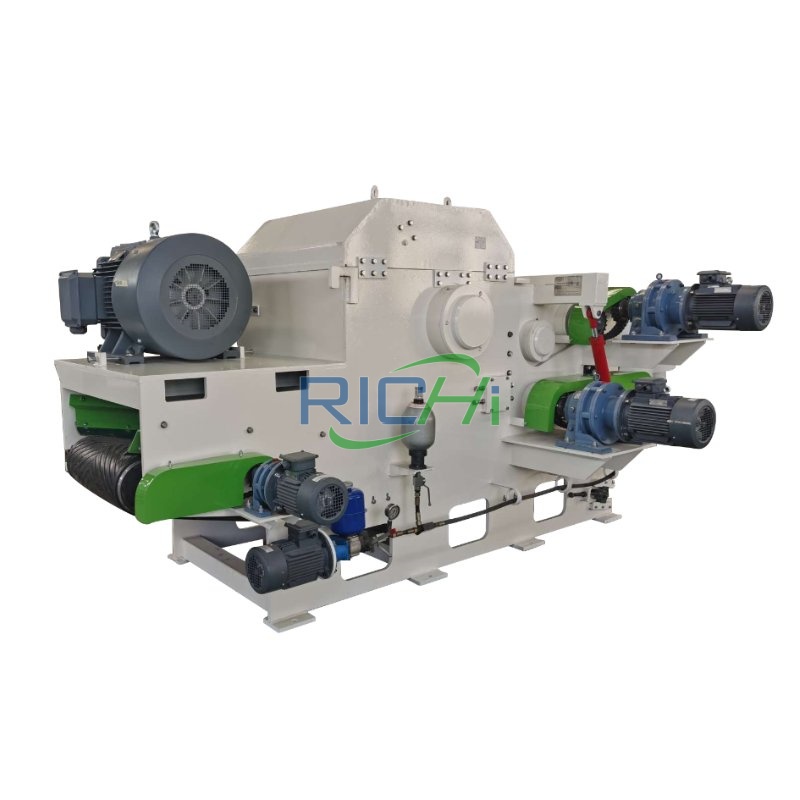
Bevor die Rohstoffe wie Holzspäne, Äste, land- und forstwirtschaftliche Abfälle oder Futtermittelzutaten (Mais, Sojabohnen, Kleie, Stroh) in das Werk gelangen, werden sie gereinigt. Größere Stämme werden mit einem Holzhacker zerkleinert. Durch die Entfernung von Steinen, Metallverunreinigungen und Unkraut werden die Rohstoffe sauber gehalten, was den Verschleiß der Anlagen verringert und einen stabilen Betrieb in den nachfolgenden Prozessen gewährleistet, wodurch die Qualität der fertigen Pellets verbessert wird.
2. Zerkleinerungsabschnitt
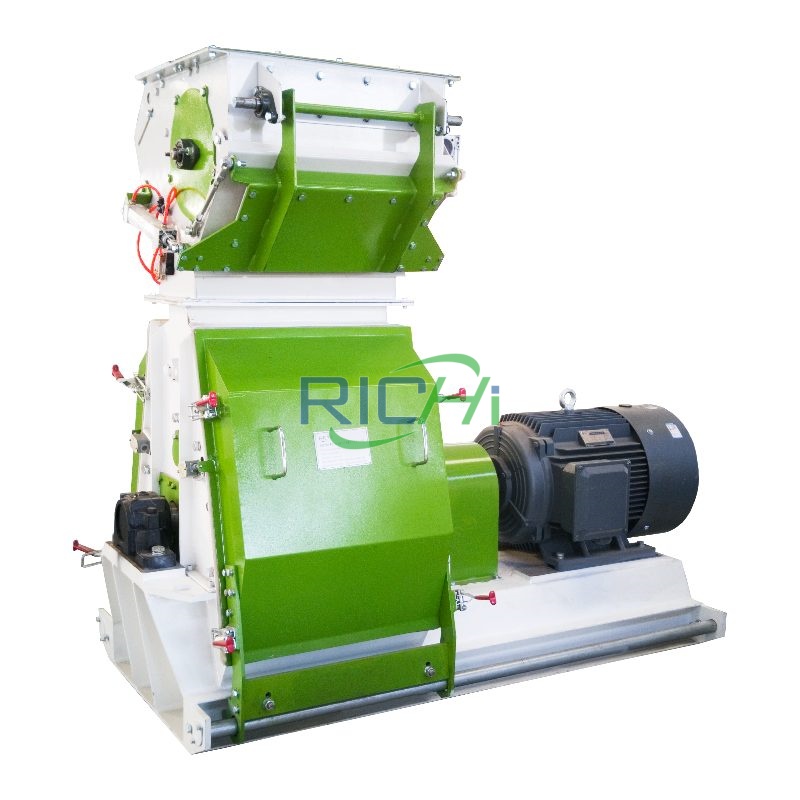
Die zerkleinerten Hackschnitzel oder vorbehandelten kleinen Stücke des Rohmaterials werden zur weiteren Verarbeitung in eine Hammermühle geleitet, wo sie zu Pellets mit einer Größe von 3-5 mm zerkleinert werden, um die Anforderungen an die Pelletierung zu erfüllen und eine einheitliche Pelletgröße zu gewährleisten.
3. Trocknungsabschnitt
Ein zu hoher oder zu niedriger Feuchtigkeitsgehalt in den Rohstoffen kann die Pelletqualität beeinträchtigen. Daher wird ein Trockner eingesetzt, um den Feuchtigkeitsgehalt in einem angemessenen Bereich zu halten (normalerweise 12-18%). Durch die Sicherstellung eines ausreichenden Kontakts zwischen den Rohstoffen, der Temperatur und der Trommeldrehzahl gewährleistet diese Sektion eine schnelle, gleichmäßige und stabile Trocknung und bereitet sie auf die Pelletierung vor.
4. Abschnitt Granulierung
Das getrocknete Rohmaterial gelangt in die Biomasse-Pelletiermaschine. Das Material wird durch die Einfüllöffnung in die Ringmatrize eingefüllt und durch den Druck der Walzen in die Matrizenlöcher gepresst. Die Kunden können aus verschiedenen Matrizengrößen wählen, um ihre spezifischen Anforderungen zu erfüllen und zylindrische Pellets mit hoher Dichte von 2 bis 12 mm zu produzieren.
5. Sektion Kühlung und Abschirmung
Neu produzierte Pellets haben eine Temperatur von 70-90 °C und eine hohe Luftfeuchtigkeit, was sie anfällig für Verformungen und Schimmel macht. Ein Gegenstromkühler ist erforderlich, um die Pellettemperatur schnell zu senken, während ein Vibrationssieb qualifizierte Pellets von Trümmern und Feinanteilen trennt. Minderwertige Pellets werden zur Wiederaufbereitung in die Pelletieranlage zurückgeführt, wodurch die Rohstoffausnutzung verbessert und der Abfall reduziert wird.
6. Sektion Verpacken
Die gekühlten Pellets werden von einem automatischen Verpackungssystem gewogen, in Säcke verpackt und vernäht. Die Verpackungsspezifikationen können je nach Kundenwunsch angepasst werden. Das Endprodukt kann für die Lagerung, den Transport, zum Heizen, als industrieller Brennstoff und für andere Anwendungen verwendet werden.
Die Anlage zur Herstellung von Biomassepellets verarbeitet Rohstoffe effizient zu hochwertigen Biomasse-Brennstoffpellets. Dazu gehören die Vorbehandlung des Rohmaterials, das Zerkleinern, Trocknen, Pelletieren, Kühlen, Sieben und Verpacken. Eine geeignete Auswahl der Ausrüstung und optimierte Produktionsprozesse sorgen für eine gleichbleibende Qualität der Pellets. Eine Anlage zur Herstellung von Biomassepellets ist nicht nur wirtschaftlich rentabel, sondern auch umweltfreundlich und damit eine gute Wahl für eine nachhaltige Entwicklung.
Hauptausrüstungen in der Anlage zur Herstellung von Biomassepellets
Jedes Ausrüstungsteil im Produktionsprozess von Biomassepellets spielt eine besondere Rolle bei der effizienten und stabilen Umwandlung von Rohstoffen in hochwertige Pellets. Die richtige Auswahl und Konfiguration der Anlagen gewährleistet nicht nur eine stabile Produktion, sondern reduziert auch den Energieverbrauch und verbessert die Pelletqualität.



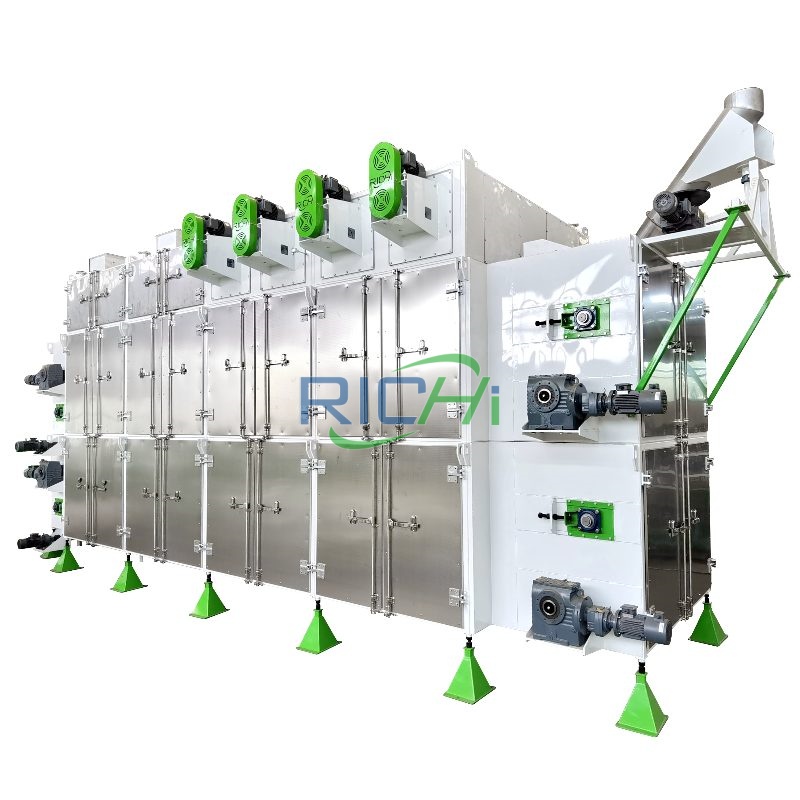
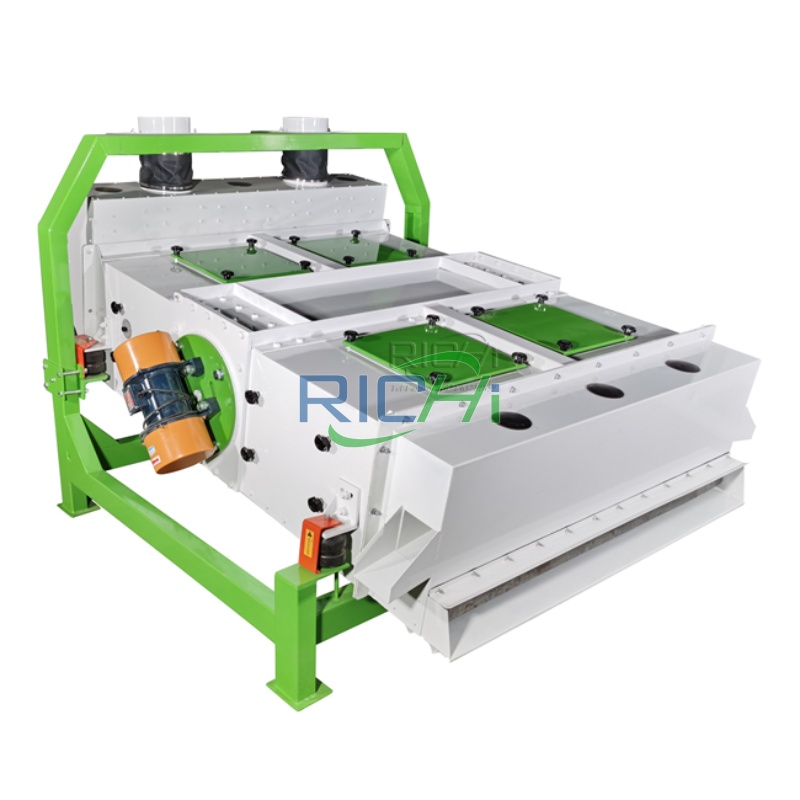


Wie baut man eine komplette Anlage zur Herstellung von Biomassepellets?
Mit der zunehmenden weltweiten Bedeutung erneuerbarer Energien und des Umweltschutzes gewinnen Biomassepellets aufgrund ihrer hohen Effizienz, ihres einfachen Transports und ihrer breiten Anwendung zunehmend an Popularität und stellen eine der vielversprechendsten Alternativen zu fossilen Brennstoffen dar.
Der Bau einer Anlage zur Herstellung von Biomassepellets ist nicht nur eine einfache Kombination von Geräten. Er erfordert eine umfassende Planung der Standortwahl, der Rohstoffaufbereitung, der Anlagenkonfiguration und der Prozessoptimierung, um eine stabile Produktionseffizienz und hochwertige Pellets zu gewährleisten.


Beschaffung und Aufbereitung von Rohstoffen
Stabile und zuverlässige Rohstoffe sind die Grundlage für hochwertige Pellets. Zu den gängigen Rohstoffen gehören Holzspäne, Sägemehl, Stroh und Ernteabfälle. Diese Materialien sollten vorbehandelt werden, um Steine, Metallfragmente und andere Verunreinigungen zu entfernen.
Eine ordnungsgemäße Aufbereitung gewährleistet eine gleichmäßige Pelletdichte, verringert den Verschleiß der Anlagen und verbessert die Effizienz der nachfolgenden Prozesse.
Auswahl und Anordnung der Geräte
Die Auswahl der richtigen Ausrüstung ist entscheidend. Zu den wichtigsten Anlagen gehören Brecher, Trockner, Pelletieranlagen, Kühlsysteme, Siebanlagen und Verpackungsmaschinen.
Das Layout sollte einen reibungslosen Materialfluss während jedes Prozesses gewährleisten, die Handhabung reduzieren und die Raumnutzung maximieren. Eine vernünftige Konfiguration gewährleistet eine effiziente Produktion und eine gleichbleibende Pelletqualität.
Gestaltung des Produktionsprozesses
Ein effizienter Produktionsprozess ist der Schlüssel zu reibungslosen Abläufen. Der typische Prozess ist: Vorbehandlung des Rohmaterials → Zerkleinern → Trocknen → Pelletieren → Kühlen und Sieben → Verpacken.
Der Einsatz von Förderbändern, Fördersäcken oder pneumatischen Fördersystemen sorgt für einen kontinuierlichen Materialfluss, reduziert den Arbeitsaufwand und vermeidet Produktionsengpässe.
Personalschulung und Sicherheitsmanagement
Der Betrieb von Fabriken hängt von qualifiziertem Personal ab. Die Schulung des Bedienpersonals in den Bereichen Anlagenbetrieb, Routinewartung und Notfallmaßnahmen gewährleistet einen reibungslosen Betrieb der Produktionsanlagen.
Gleichzeitig können strenge Sicherheitsmaßnahmen das Unfallrisiko wirksam verringern, die Lebensdauer der Anlagen verlängern und eine stabile Pelletproduktion gewährleisten.
Hilfssysteme und Energiemanagement
Eine stabile Energieversorgung und Hilfssysteme sind die Grundlage für eine kontinuierliche Produktion. Eine langfristig angelegte Anlage zur Herstellung von Biomassepellets erfordert wissenschaftlich konzipierte und gut gewartete Strom-, Druckluft-, Kühlwasser- und Entstaubungssysteme.
Ein effizientes Management reduziert Ausfallzeiten, gewährleistet einen sicheren Betrieb und garantiert eine gleichbleibende Pelletqualität.
Kurz gesagt, der Bau einer Anlage zur Herstellung von Biomassepellets erfordert nicht nur hochwertige Ausrüstung, sondern auch eine gut geplante, maßgeschneiderte Gesamtlösung. RICHI Machinery ist darauf spezialisiert, auf die spezifischen Bedürfnisse unserer Kunden einzugehen und optimale, schlüsselfertige Lösungen für Biomasse-Pelletproduktionsanlagen zu liefern, sei es für eine kleine Anlage zur lokalen Beheizung oder eine Großanlage für den Export und die Stromerzeugung.
Unser professionelles Ingenieurteam bietet umfassende technische Unterstützung, vom Vorentwurf und der Planung des Anlagenlayouts bis zur Installation vor Ort und der Schulung des Personals. Durch die genaue Kenntnis Ihrer Rohstoffart, der angestrebten Produktionskapazität und der lokalen Marktbedingungen gewährleistet RICHI mit seiner maßgeschneiderten Konstruktion einen stabilen Anlagenbetrieb, hohe Erträge und erhebliche wirtschaftliche Vorteile.
Vom Projektbeginn bis zur Endproduktion helfen wir Ihnen, land- und forstwirtschaftliche Abfälle effizient und kostengünstig in saubere, erneuerbare Energie umzuwandeln.
Projektbeispiele für Anlagen zur Herstellung von Biomassepellets auf der ganzen Welt
RICHI Maschinen hat in zahlreichen Ländern und Regionen erfolgreich verschiedene Arten von Biomasse-Pelletieranlagen geplant und gebaut. Jedes Projekt ist auf die Art des Rohstoffs, die Produktionsanforderungen und die örtlichen Gegebenheiten des Kunden zugeschnitten. Von kleinen Produktionslinien bis hin zu großen kommerziellen Anlagen bietet RICHI umfassende Lösungen an, die von der Prozessplanung über die Herstellung der Ausrüstung bis hin zur Installationsanleitung und Personalschulung reichen. Diese Beispiele aus der Praxis zeigen die umfassende Erfahrung, die fortschrittliche Technologie und das Engagement von RICHI für eine nachhaltige Entwicklung.
RICHI Machinery verfügt über mehr als 30 Jahre Erfahrung in der Herstellung von Maschinen und Anlagen, mit Projekten in über 140 Ländern und Regionen weltweit. Ob für mittlere bis große landwirtschaftliche Betriebe oder kommerzielle Futtermühlen verschiedener Größen, wir können maßgeschneiderte Pelletieranlage Lösung die auf Ihre spezifischen Bedürfnisse zugeschnitten sind, ein optimales Preis-Leistungs-Verhältnis bieten, einen stabilen Betrieb gewährleisten und eine hohe Investitionsrendite ermöglichen.
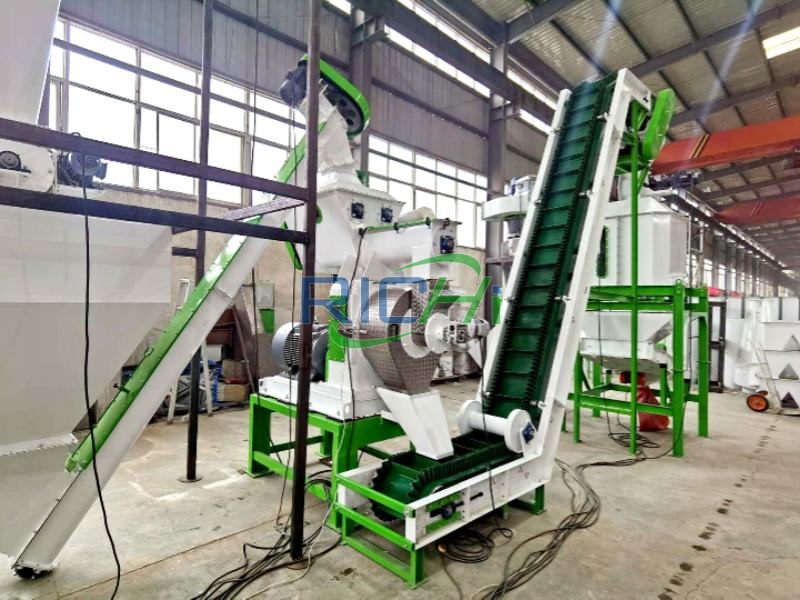
Anlage zur Herstellung von Biomasse-Pellets in Mauritius
- Projektland: Mauritius
- Projektleistung: 2-3T/H
- Rohmaterialien: Zuckerrohr-Bagasse, Sägemehl, Kokosnussschalen
- Hintergrund des Projekts: Dieser Kunde, ein Unternehmen für erneuerbare Energien in Mauritius, hat sich verpflichtet, landwirtschaftliche Abfälle vollständig zu verwerten. Aufgrund des tropischen Klimas fällt jährlich eine große Menge an Zuckerrohrabfällen an. RICHI lieferte dem Kunden eine 2-3 Tonnen/Stunde Produktionslinie für Biomassepellets geeignet für Umgebungen mit hoher Luftfeuchtigkeit, die landwirtschaftliche Nebenprodukte in sauberen Brennstoff für Industriekessel umwandeln.

Biomasse-Pelletanlage in Kanada
- Projektland: Kanada
- Projektleistung: 3T/H
- Rohmaterialien: Kiefer, Fichte, Holzspäne
- Hintergrund des Projekts: Dieses Projekt befindet sich in Alberta, Kanada, einer Provinz, die reich an forstwirtschaftlichen Ressourcen und reichlich Sägewerksnebenprodukten ist. Der Kunde wollte Holzabfälle in hochwertigen Biomassebrennstoff für die lokale Heizung und den Export umwandeln. RICHI entwarf diese hocheffiziente, energieeffiziente 3-Tonnen/Stunde Vollautomatische Biomasse-Holzpelletieranlage in Kanada um einen stabilen Betrieb in diesem kalten Klima zu gewährleisten.

Anlage zur Herstellung von Biomassepellets in Malaysia
- Projektland: Malaysia
- Projektleistung: 1,5T/H
- Rohmaterialien: Palmkernschalen, Reishülsen, Sägemehl
- Hintergrund des Projekts: In der florierenden Palmölindustrie Malaysias fällt jährlich eine erhebliche Menge an Palmölabfällen an. Ein Kunde wollte dieses Nebenprodukt zu Biomasse-Brennstoffpellets für kleine und mittelgroße Heizkessel und lokale Energieunternehmen recyceln. RICHI entwickelte speziell für diesen Kunden eine kompakte Produktionslinie mit einer Kapazität von 1,5 Tonnen pro Stunde, die sich durch Energieeffizienz, hohen Wirkungsgrad und einfache Wartung auszeichnet.

Anlage zur Herstellung von Biomassepellets in Rumänien
- Projektland: Rumänien
- Projektleistung: 5T/H
- Rohmaterialien: Buchen-, Eichen- und Kiefernsägespäne sowie kleine Mengen von Holzspänen, die von örtlichen Sägewerken gesammelt werden
- Hintergrund des Projekts: Ein rumänisches Holzverarbeitungsunternehmen, das seit langem mit dem Problem konfrontiert war, große Mengen an Sägemehl und Holzabfällen zu erzeugen, beschloss, in eine Produktionslinie für Biomassepellets mit einer Kapazität von 5 Tonnen/Stunde zu investieren, um die Ressourcennutzung zu verbessern und die Nachfrage des europäischen Marktes nach nachhaltigen Heizstoffen zu befriedigen. RICHI lieferte eine vollautomatische Produktionslösung, die Holzabfälle erfolgreich in saubere Energiepellets in Exportqualität umwandelt.
Warum RICHI Biomasse-Pelletieranlage wählen?
Die Wahl des richtigen Herstellers ist der Schlüssel zur Gewährleistung der langfristigen Stabilität, Effizienz und Rentabilität Ihres Biomassepellet-Produktionsprojekts. Dank jahrelanger technischer Expertise und Projekterfahrung im Biomasse-Energiesektor hat sich RICHI Machinery zu einem vertrauenswürdigen globalen Anbieter umfassender Biomasse-Pellet-Lösungen entwickelt. Wir liefern nicht nur Anlagen, sondern auch komplette intelligente Produktionssysteme, die auf Ihre individuellen Bedürfnisse zugeschnitten sind.
Maßgeschneiderte Designlösungen
Jedes Biomassepellet-Projekt ist einzigartig. Das RICHI-Ingenieurteam schneidet das Anlagenlayout und den Prozessablauf auf der Grundlage der Art des Rohmaterials, des Feuchtigkeitsgehalts, der klimatischen Bedingungen und der Energieverfügbarkeit zu. Von kleinen Produktionslinien mit einer Kapazität von 0,3 Tonnen pro Stunde bis hin zu großen Anlagen mit einer Kapazität von 40 Tonnen pro Stunde stellen wir sicher, dass jedes Detail den Kundenanforderungen entspricht.
Fortschrittliche Ausrüstung und stabile Leistung
RICHI's Produkte der Pelletieranlagen, einschließlich Pelletpressen, Trockner und Kühler, werden aus hochwertigen Materialien hergestellt und unterliegen strengen Qualitätskontrollen. Die gesamte Produktionslinie arbeitet reibungslos, geräuscharm, mit minimalem Energieverbrauch und langer Lebensdauer, was die Effizienz der Produktion und die Qualität der Pellets sicherstellt.
Schlüsselfertiger Komplettservice vom Entwurf bis zur Inbetriebnahme der Produktion
Von der Beratung im Vorfeld des Projekts und der Planung der Ausrüstung bis hin zur Installation vor Ort, der Schulung des Bedienpersonals und schließlich dem Kundendienst bietet RICHI einen kompletten schlüsselfertigen Service aus einer Hand, der es den Kunden ermöglicht, die Produktion problemlos aufzunehmen, ohne sich um technische Details kümmern zu müssen.
Neben der Bereitstellung hochwertiger Ausrüstung, RICHI Schlüsselfertige Maschinen ist auf die Kundenbedürfnisse zugeschnitten, um sicherzustellen, dass die Benutzer die Produktion von Biomassepellets reibungslos in Gang setzen und eine langfristige Rentabilität erzielen können.
FAQ
Bei der Planung oder Investition in eine Anlage zur Herstellung von Biomassepellets haben Kunden oft viele Fragen. Um Ihnen zu helfen, ein umfassenderes Verständnis des gesamten Produktionsprozesses zu erlangen und fundiertere Entscheidungen zu treffen, haben wir häufig gestellte Fragen und Expertenantworten von weltweiten Kunden zusammengestellt. Unabhängig davon, ob Sie ein Erstinvestor oder ein erfahrener Produzent sind, werden diese Antworten Ihnen eine klarere Perspektive bieten und Ihnen helfen, Ihr Biomassepellet-Produktionsprojekt erfolgreich zu starten und effizient zu betreiben.
Was ist eine Anlage zur Herstellung von Biomassepellets?
+
Eine Anlage zur Herstellung von Biomassepellets ist ein komplettes Produktionssystem zur Verarbeitung von land- und forstwirtschaftlichen Abfällen zu Biomassebrennstoffpellets mit hoher Dichte. Der Hauptzweck der Anlage ist die Umwandlung von geringwertigen Biomasse-Rohstoffen wie Sägemehl, Holzspänen, Reishülsen, Stroh und Maisstängeln in eine energiereiche, saubere, erneuerbare Energiequelle, die herkömmliche Brennstoffe wie Kohle und Erdgas ersetzen kann.
Die gesamte Produktionslinie für Biomassepellets umfasst in der Regel die Vorbehandlung des Rohmaterials, das Zerkleinern, Trocknen, Pelletieren, Kühlen, Sieben und Verpacken. Es werden Biomassepellets mit einer dichten Struktur und einem hohen Heizwert hergestellt, die weithin in Hausheizungen, Industriekesseln und bei der Stromerzeugung aus Biomasse verwendet werden.
Neben den erheblichen Vorteilen für die Umwelt steigert sie auch den wirtschaftlichen Wert der land- und forstwirtschaftlichen Abfälle. Sie bietet eine effiziente Lösung für die Wiederverwendung von Abfällen, fördert die Entwicklung lokaler Industrien für erneuerbare Energien und trägt zur Erreichung der globalen Kohlenstoffreduktionsziele bei.
Wie baue ich die am besten geeignete Biomasse-Pelletieranlage?
+
Die Wahl der richtigen Anlage zur Herstellung von Biomassepellets ist entscheidend für die langfristige Rentabilität, Produktionseffizienz und Produktqualität. Da die Art des Ausgangsmaterials, das Investitionsbudget und die Produktionsziele jedes Kunden unterschiedlich sind, muss eine umfassende Entscheidung getroffen werden. Eine geeignete Produktionslinie gewährleistet nicht nur eine stabile Leistung der Anlage, sondern senkt auch langfristig die Betriebs- und Wartungskosten.
- Bestimmen Sie die Art und den Feuchtigkeitsgehalt des Ausgangsmaterials: Verschiedene Rohstoffe erfordern unterschiedliche Verarbeitungsmethoden. Holzspäne und Sägemehl erfordern beispielsweise eine Zerkleinerung und Trocknung, während leichte Rohstoffe wie Reishülsen und Erdnussschalen möglicherweise ein Zwangszuführungssystem erfordern. Vor der Produktion sollten Sie den Feuchtigkeitsgehalt des Ausgangsmaterials testen; idealerweise liegt er zwischen 12% und 18%, um eine hohe Pelletierleistung und eine gleichbleibende Pelletqualität zu gewährleisten.
- Bestimmen Sie die Produktionskapazität und den Grad der Automatisierung: RICHI bietet eine Vielzahl von Kapazitätskonfigurationen, die von 0,3 Tonnen bis zu 40 Tonnen pro Stunde reichen, um Projekten unterschiedlicher Größe gerecht zu werden. Kleine Produktionslinien eignen sich für lokale Heizstoffe, während große Anlagen eher für kommerzielle Biomasse-Energiebetriebe geeignet sind. Je nach Arbeitsaufwand und Investitionsbudget können Sie sich auch für ein halb- oder vollautomatisches Produktionssystem entscheiden.
- Bewertung des Energieverbrauchs und der Kosteneffizienz: Der Energieverbrauch ist eine der wichtigsten Betriebskosten bei der Pelletproduktion. Eine effiziente Produktionslinie für Biomassepellets sollte den Stromverbrauch minimieren und gleichzeitig eine stabile Produktion gewährleisten. Durch die Optimierung des Antriebssystems, den Einsatz energiesparender Motoren und intelligenter Steuerungstechnik hilft RICHI seinen Kunden, ca. 15% an Strom einzusparen, ohne die Produktionskapazität zu beeinträchtigen.
- Prüfen Sie die Qualität der Geräte und die technische Unterstützung: Ein zuverlässiger Lieferant sollte nicht nur langlebige Geräte liefern, sondern auch ein umfassendes technisches Supportsystem anbieten. Achten Sie vor dem Kauf auf die Materialien, die Qualität der Lager und des Antriebssystems sowie die Garantiebestimmungen. RICHI bietet umfassende Beratung vor dem Kauf, Anlagenplanung, Installationsanleitung, Bedienerschulung und lebenslangen technischen Support, um einen sorgenfreien Betrieb zu gewährleisten.
- Berücksichtigen Sie künftige Erweiterungen und lokale Gegebenheiten: Wenn Sie planen, die Produktion in Zukunft zu erweitern, sollten Sie ein modulares und skalierbares Design in Betracht ziehen. Das Biomasse-Pelletierwerk von RICHI verfügt über ein flexibles Design, das eine einfache Erweiterung der Produktionslinien oder Änderungen der Rohstoffarten ermöglicht. Darüber hinaus ist es wichtig, die örtlichen Elektrizitätsstandards, die klimatischen Bedingungen und die Stabilität der Rohstoffversorgung zu berücksichtigen, um eine kontinuierliche und nachhaltige Produktion zu gewährleisten.
Die Wahl der am besten geeigneten Lösung erfordert eine umfassende Bewertung der Art des Rohmaterials, der Produktionskapazität, des Energieverbrauchs und der Fähigkeiten des Lieferanten. Dank umfangreicher Branchenerfahrung, fortschrittlicher Technologie und eines professionellen Ingenieurteams kann RICHI Machinery maßgeschneiderte, umfassende Lösungen anbieten, die auf die Bedürfnisse des Kunden zugeschnitten sind - von der Projektplanung bis zur reibungslosen Produktion.
Kann eine Anlage zur Herstellung von Biomassepellets mit verschiedenen Rohstoffen umgehen?
+
Ja, Produktionsanlagen für Biomassepellets können eine Vielzahl von verschiedenen Rohstoffen verarbeiten. Dazu gehören Holzspäne, Sägemehl, Reishülsen, Stroh, Erdnussschalen, Palmfasern, Bambusspäne, Bagasse und andere land- und forstwirtschaftliche Abfälle. Der Schlüssel liegt in der Anpassung der Zerkleinerungs-, Trocknungs- und Pelletierungsprozesse an die spezifischen Eigenschaften des Ausgangsmaterials. So erfordern beispielsweise Holzspäne eine feinere Zerkleinerung, während Stroh aufgrund seines höheren Feuchtigkeitsgehalts eine längere Trocknungszeit benötigt. Die Biomasse-Pelletieranlage von RICHI ist äußerst anpassungsfähig und ermöglicht durch modulare Konfiguration und Prozesssteuerung einen flexiblen Wechsel zwischen verschiedenen Rohstoffen, wodurch eine stabile Pelletqualität und hohe Produktionseffizienz gewährleistet werden.
Welche Maschinen benötige ich, wenn ich eine Anlage zur Herstellung von Biomassepellets mit einer Kapazität von 5 Tonnen pro Stunde bauen möchte?
+
Um eine 5-Tonnen-Stunden-Anlage zur Herstellung von Biomassepellets zu errichten, ist eine komplette, auf die Produktionserfordernisse zugeschnittene Produktionsausrüstung von der Rohstoffverarbeitung bis zur Verpackung des Endprodukts erforderlich. Dazu gehören in erster Linie ein Holzhacker zur Zerkleinerung von Holzstämmen oder ein Pulverisierer zur Zerkleinerung von kleinstückigen Rohstoffen, ein Trommeltrockner zur Feuchtigkeitsregulierung, eine Biomasse-Pelletiermaschine zur Pelletierung, ein Pelletkühler zur Kühlung und Formung der Pellets, ein Vibrationssieb zur Auswahl geeigneter Pellets und eine automatische Verpackungsmaschine zum Wiegen und Verpacken. Darüber hinaus sind Hilfsausrüstungen wie Entstaubungsanlagen, Fördereinrichtungen, Silos und elektronische Steuerungssysteme erforderlich, um einen effizienten, kontinuierlichen und automatisierten Betrieb der Produktionslinie zu gewährleisten. RICHI kann maßgeschneiderte Produktionslösungen anbieten, die auf den Rohstofftyp und das Anlagenlayout des jeweiligen Kunden zugeschnitten sind und eine optimale Leistung und Kosteneffizienz der Anlagen gewährleisten.

