
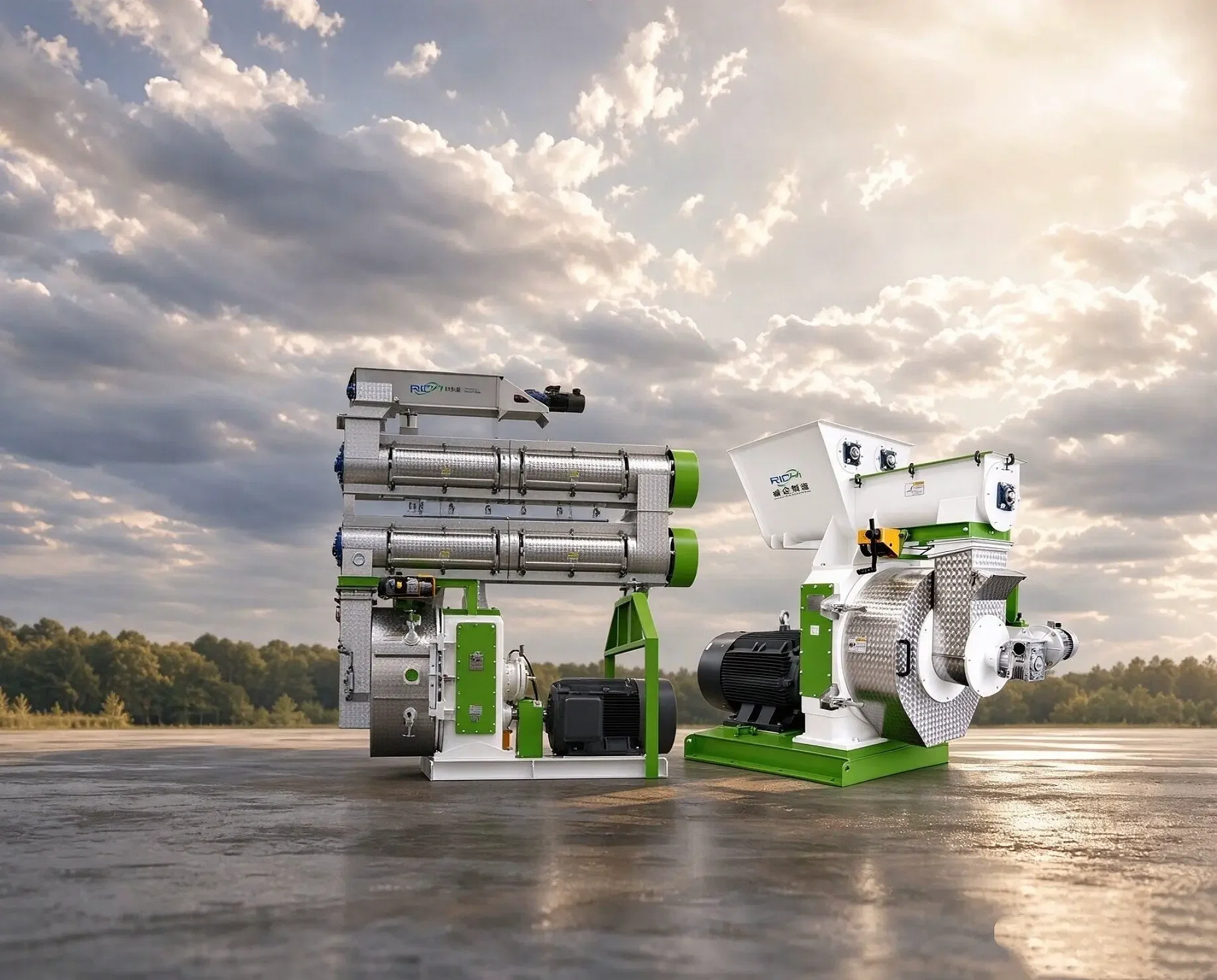
ANIMAL BEDDING PELLET MACHINE
Are you looking for a high-quality animal bedding pellet machine? We offer pellet production equipment designed for a wide range of applications—including cat litter, stable bedding, poultry bedding, pet bedding, and wood-based bedding—tailored to the specific characteristics of different materials to provide an efficient and reliable pelletizing solution.
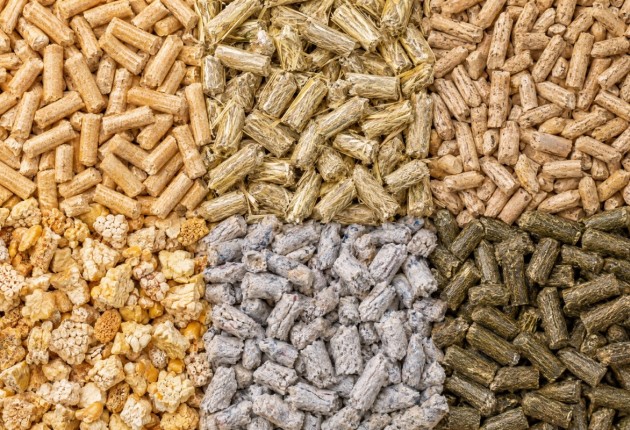
Various Types of Bedding Pellets
Production Capacity:
0.2-40t/h
EXPLORE OUR ANIMAL BEDDING PELLET MACHINES
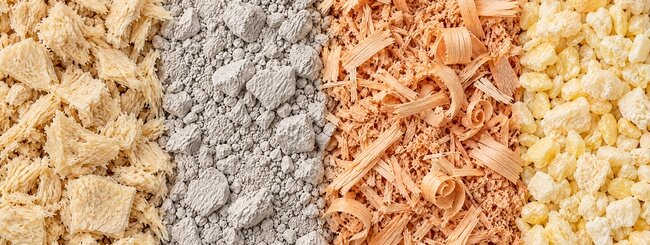
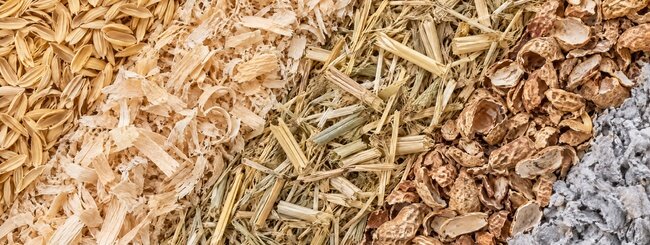
The raw materials used for producing animal bedding pellets are diverse and abundant, ranging from wood, straw, and agricultural by-products to herbaceous plants, mineral materials, and grains. These materials vary in terms of fiber structure and pelletizing characteristics; furthermore, specific end-use applications impose distinct requirements regarding pellet size, strength, and moisture absorption.
Consequently, the production of animal bedding pellets cannot rely on a one-size-fits-all equipment solution. RICHI offers a variety of specialized animal bedding pelletizers, enabling clients to develop production systems tailored precisely to their specific raw materials and product requirements.
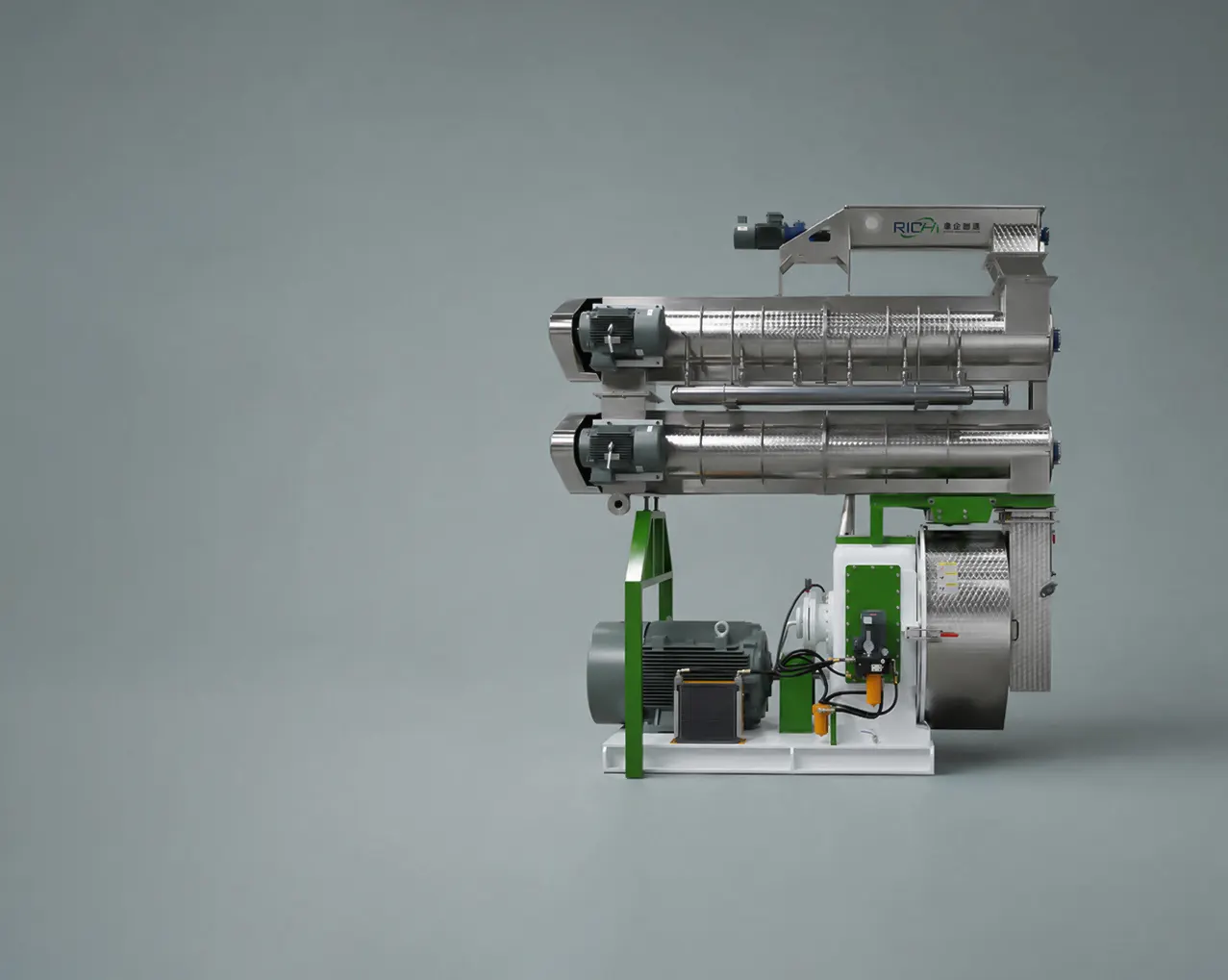
Cat Litter Pellet Machine
The cat litter pellet mill is designed for the production of various types of cat litter, including clumping, tofu, bentonite, and pine-based varieties. It supports the incorporation of fragrances and colors, with a production capacity ranging from 0.2 to 40 tons per hour.
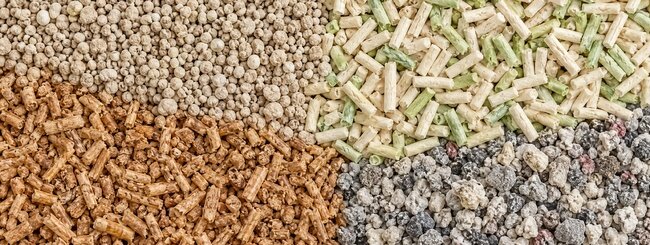


The configuration of the granulator used to produce cat litter varies depending on the type of raw materials—for instance, whether a conditioner is required. To learn more about equipment selection and process configurations for producing different types of cat litter, click here.
Horse Bedding Pellet Machine
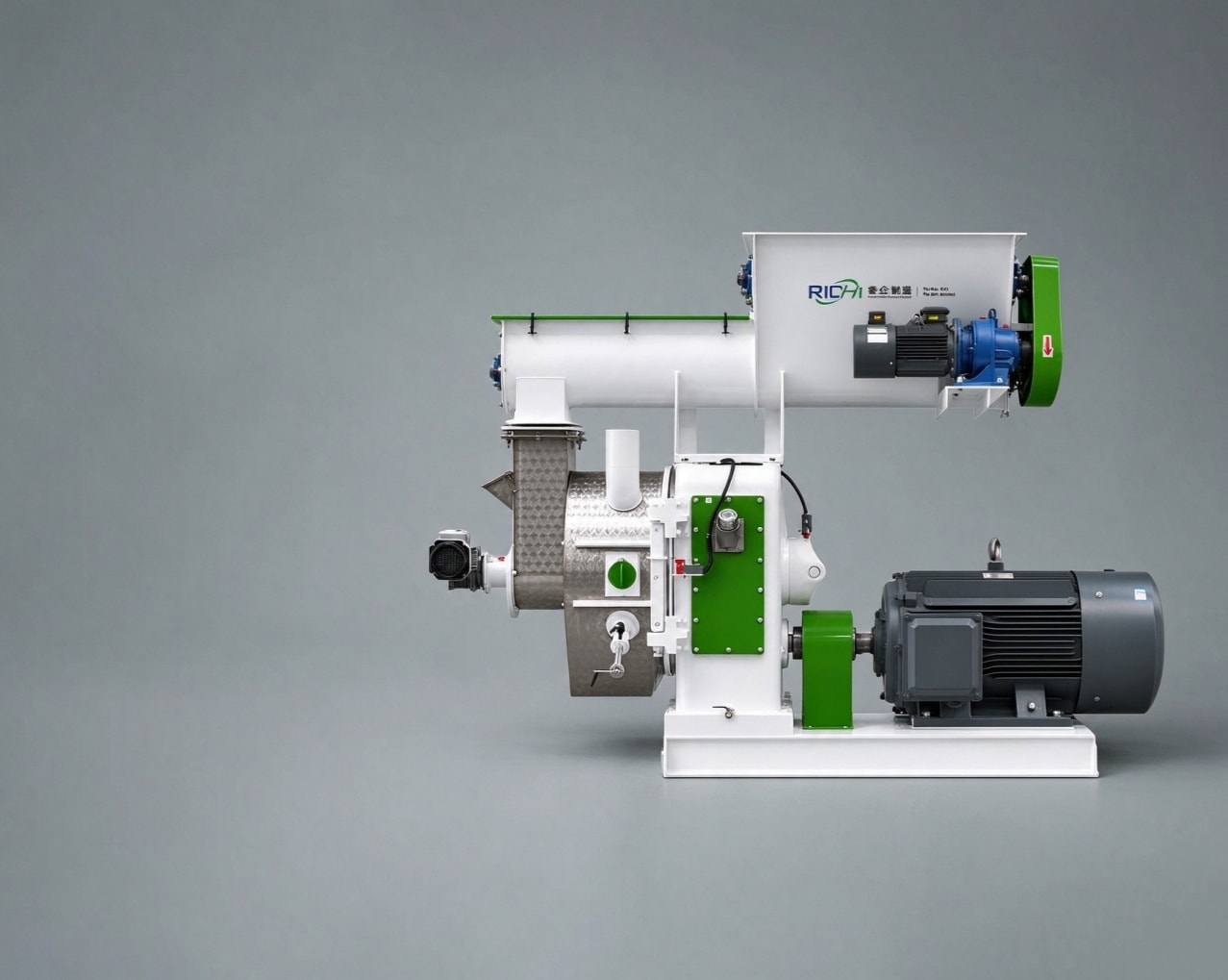
An equine bedding pellet mill is primarily designed for producing bedding for larger animals; it is suitable for manufacturing stable bedding pellets from raw materials such as sawdust, wood shavings, and straw.
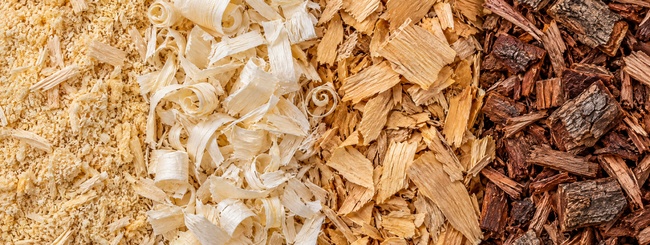
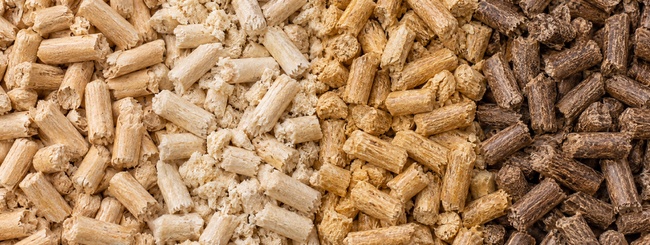


The production process is tailored to the specific requirements of horse stall bedding. The resulting bedding granules offer rapid water absorption and are free of sharp, hard fragments—ensuring they do not cause wear to horse hooves. Furthermore, the product has an extremely low dust content, preventing irritation to the horses’ respiratory tracts.
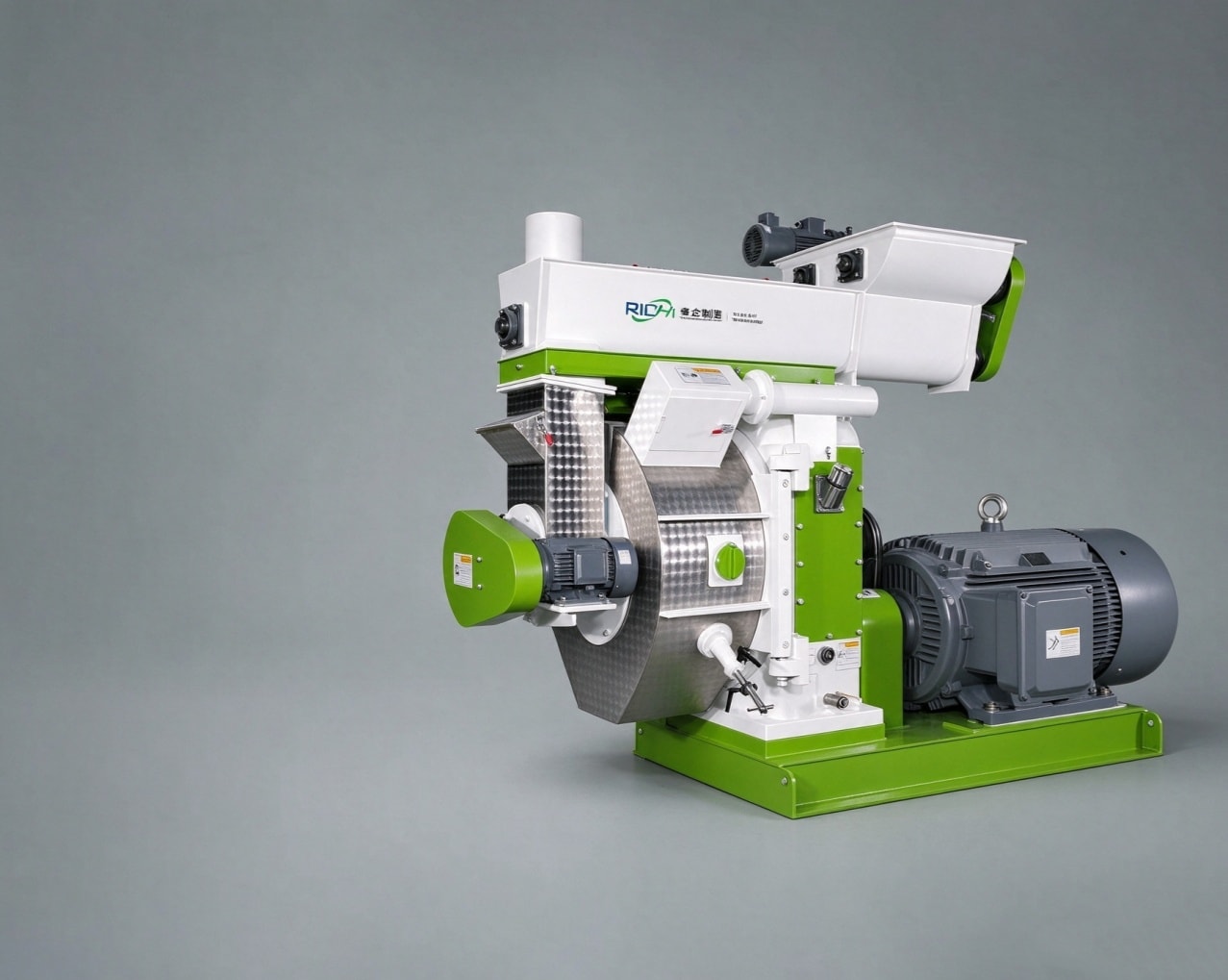
Wood Bedding Pellet Machine
The wood bedding pellet machine is specifically designed for the production of wood-based bedding pellets, primarily by compressing various wood materials—such as wood shavings and sawdust—into pellets for use as bedding.
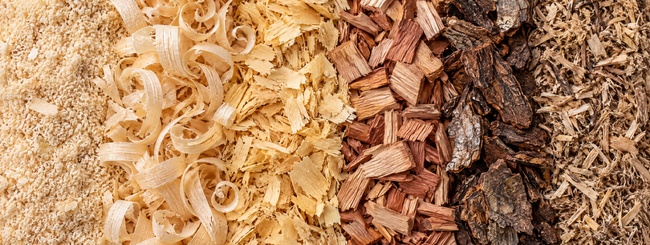
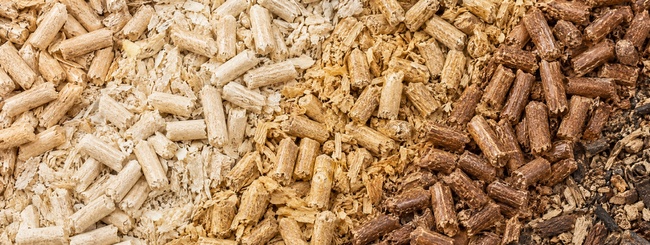


This equipment is suitable for use in settings such as livestock farms, animal bedding processing plants, and pet bedding production facilities. The resulting pellets offer excellent water absorption and minimal dust, making them ideal for both internal use and commercial sale.
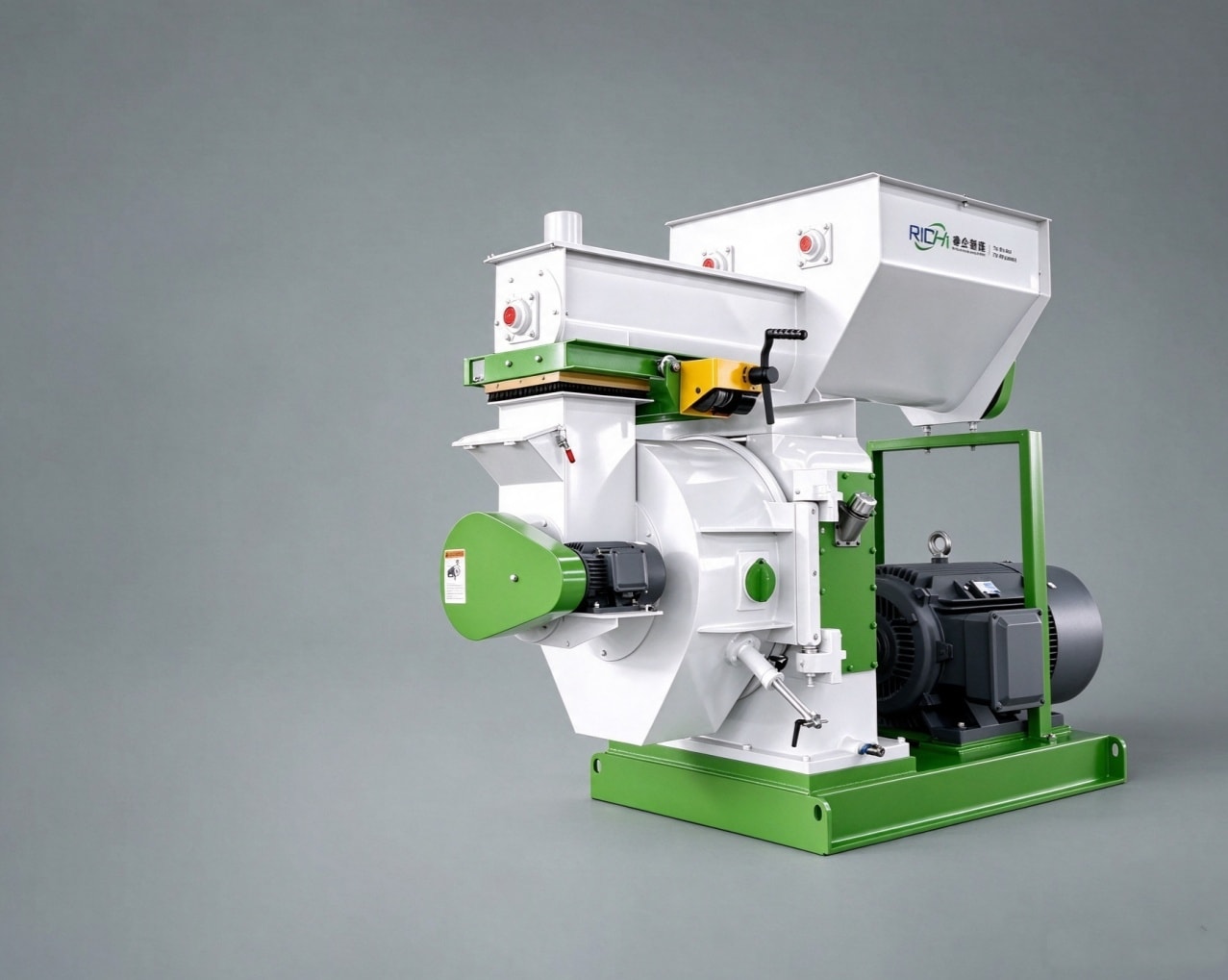
Straw Bedding Pellet Machine
The straw bedding pellet machine is designed to produce bedding pellets from various agricultural by-products containing fiber. With optimized wear resistance in its core components, the equipment offers high efficiency and a long service life.
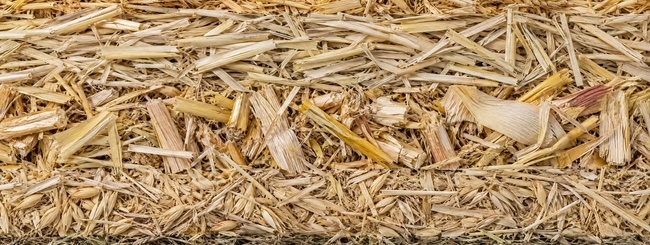
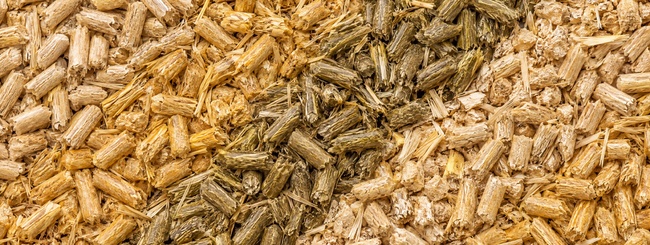


This equipment is suitable for use in settings such as livestock farms, bedding material processing plants, and feed processing facilities—including farms for cattle, sheep, horses, and poultry—and can also be used to process feed for ruminants.
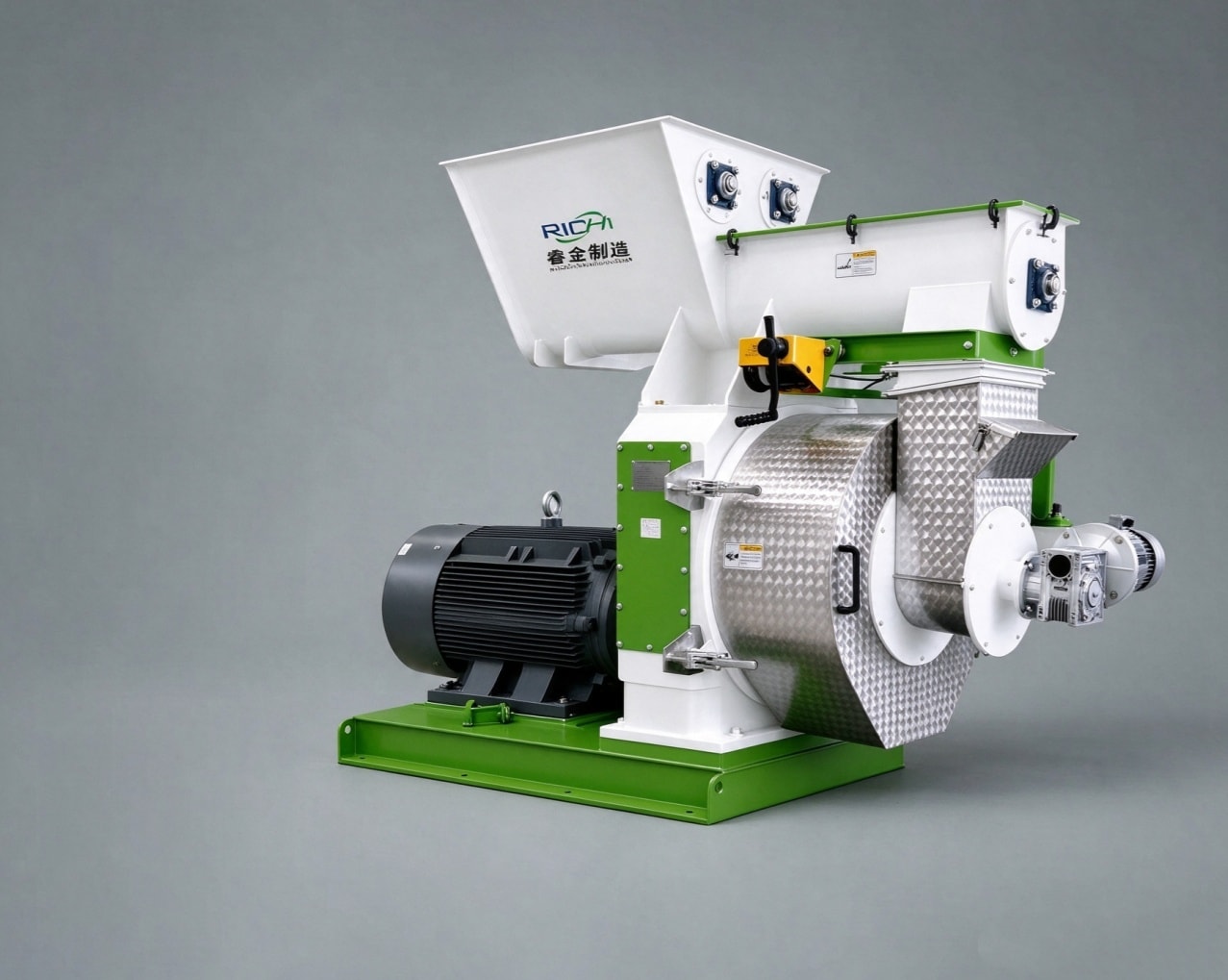
Chicken Bedding Pellet Machine
The chicken bedding pellet machine is designed to meet the bedding requirements of poultry farms. Pellet sizes can be customized, and materials such as wood shavings, crop stalks, or straw can be incorporated according to specific bedding formulations. Once used, the bedding—now mixed with chicken manure—can be further processed into organic fertilizer pellets.
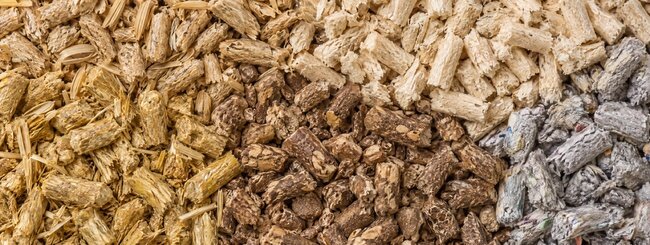


Suitable for a variety of settings, including poultry farms, bedding material production facilities, and organic fertilizer processing plants. The equipment’s core components feature high wear resistance, ensuring both efficiency and durability.
1
Cat Litter Pellet Machine
2
Horse Bedding Pellet Machine
3
Wood Bedding Pellet Machine
4
Straw Bedding Pellet Machine
5
Chicken Bedding Pellet Machine
ANIMAL BEDDING PELLET MAKER SHOWCASES
Below are three of our highly competitive bedding pellets making machine. This includes a unit specifically designed for producing tofu-based cat litter, as well as machines tailored for bentonite cat litter and various other types of animal bedding—such as wood-based or horse bedding pellets.
If you are interested in maximizing your return on investment using our equipment, we invite you to consult with our technical experts. They will work with you to develop a customized pelletizing solution tailored to your specific needs.
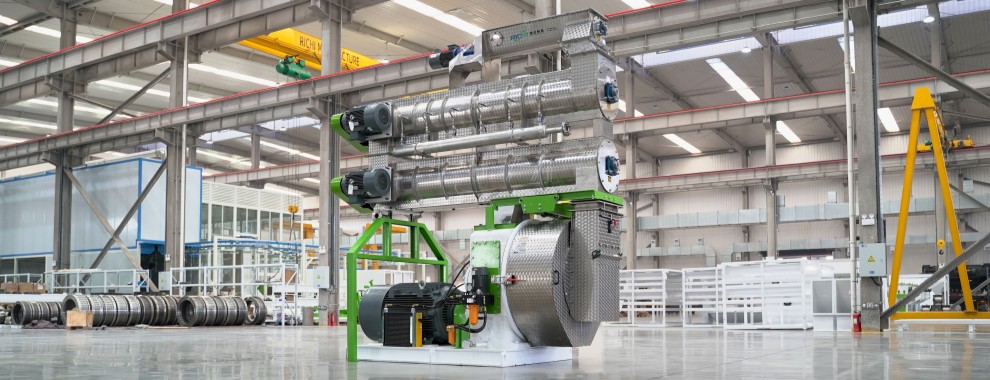
Tofu Cat Litter Pellet Machine
▶
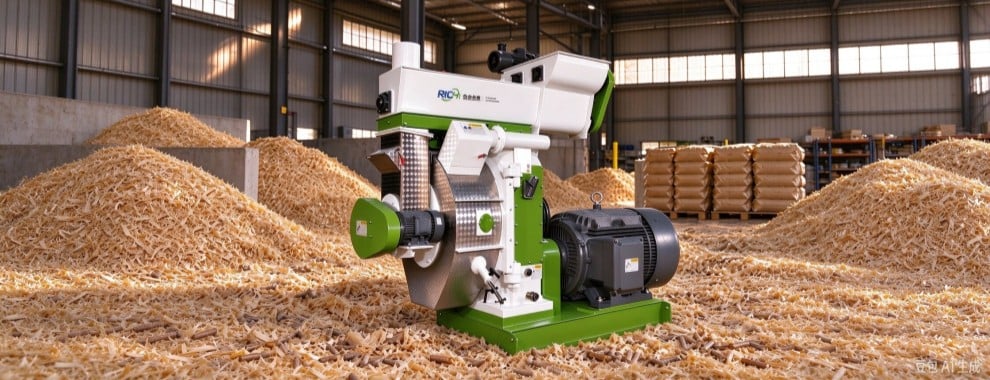
Wood Bedding Pellet Machine
▶
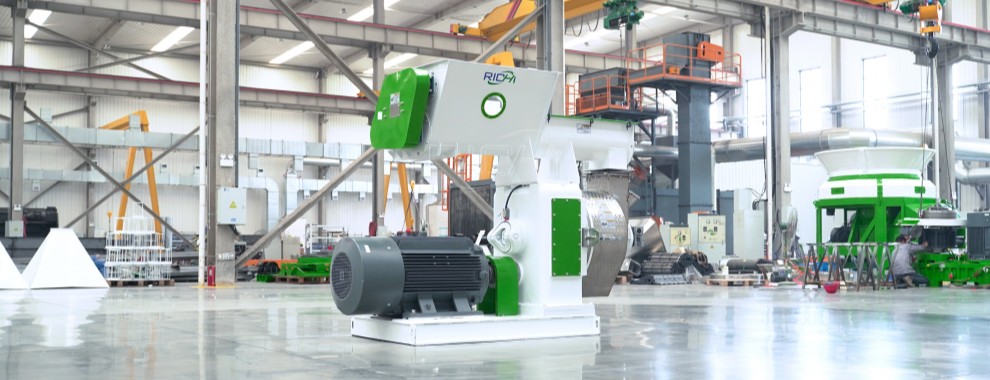
Horse Bedding Pellet Machine
▶
BUILT AROUND YOUR NEEDS
The operating principle for animal bedding pellet making machines is fundamentally similar: through the combined compressive action of a ring die and pressure rollers, pre-processed raw materials are compacted into bedding pellets with specific density and strength.
However, because the intended use of the bedding varies and raw material characteristics differ, the production processes—and the specific equipment configurations—must be tailored accordingly.
Regardless, we prioritize the best possible choices for core components, ensuring our equipment stands out as a highly competitive solution for producing bedding pellets.
Arch-breaking structure

An anti-bridging device is installed at the feed inlet; it employs mechanical agitation, material displacement, or similar methods to break up any arch-like structures formed by the material, thereby ensuring a continuous and uniform flow of material into the granulation process and preventing blockages or interruptions in the feed.
Force feeder

The forced feeder is installed outside the pelletizing chamber and consists of an independent motor and a feeding agitator; it uses mechanical force to push material into the pelletizing chamber in a continuous and uniform manner.
Ring die and pressure roller

The ring die and pressure rollers are the core components of the pelletizing process; they are crafted from highly wear-resistant materials that have undergone specialized treatment, ensuring durability and low maintenance costs.
Three-phase asynchronous motor

The main drive motor employs a three-phase asynchronous motor to provide stable power to the granulation system; it features a mature design, is well-suited for continuous production conditions, and facilitates routine maintenance.
ANIMAL BEDDING PELLET SOLUTIONS IN ACTION
Projects involving animal bedding pellet machine vary significantly based on raw materials, target products, production capacity, and the client’s business model—factors that directly influence process design, equipment configuration, and production scale. The following examples illustrate how bedding pellet production can be tailored and adapted to suit different raw materials, application scenarios, and operational requirements.
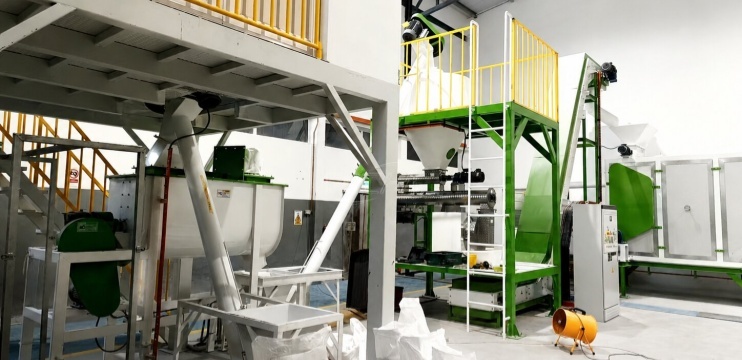
0.8–1 t/h Tofu Cat Litter Pellet Production Project (Japan)
The client is a local manufacturer of pet supplies that is looking to expand its product range to include plant-based cat litter. As the primary raw materials consist of soy residue, plant fibers, and other specific formulation ingredients, the processing of these materials is of critical importance. The project incorporates a comprehensive production line for tofu-based cat litter, featuring processes such as crushing, drying, mixing, conditioning, cooling, screening, and packaging.
1–2 t/h Dairy Cattle Bedding Pellet Project (New Zealand)
This project was established by a large-scale dairy farm. The client sought to utilize locally available fibrous raw materials to produce bedding pellets—primarily for use in their own barns—thereby reducing the long-term costs associated with purchasing and transporting bulk bedding materials. RICHI designed and constructed this complete production line; as the product is intended for internal consumption, a large-bag (bulk bag) packaging system was implemented.
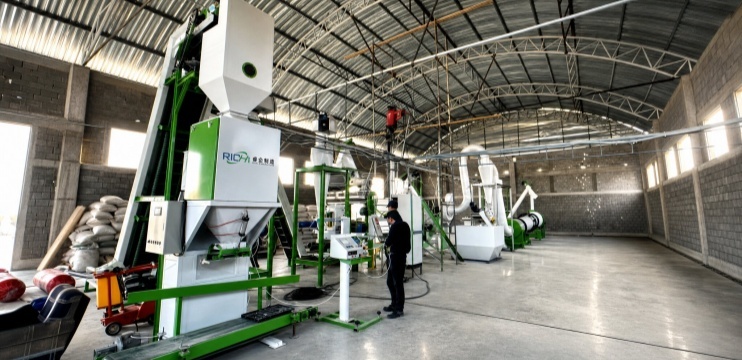
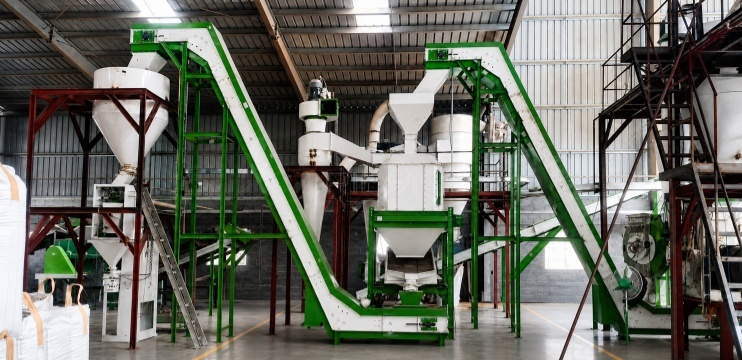
2–3 t/h Wood-Based Horse Bedding Pellet Production Line (Germany)
The client, already engaged in wood processing, generates a consistent daily supply of sawdust and wood shavings. They aimed to add value to these low-cost by-products by converting them into bagged horse bedding pellets, which are then supplied to local stables, equestrian clubs, and bedding distributors.
3–4 t/h Poultry Bedding Pellet Project (Turkey)
The client is an integrated feed and livestock enterprise operating multiple poultry farms. Having initially partnered with us to build a feed production line, they commissioned this bedding pellet line one year later. Since both the feed and bedding are used internally within the group, the production line requires a high level of operational stability.
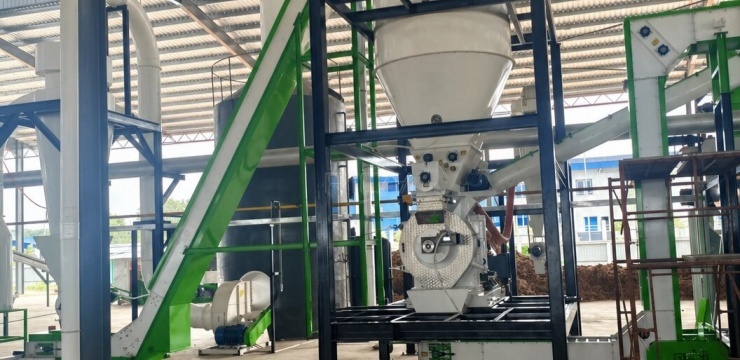
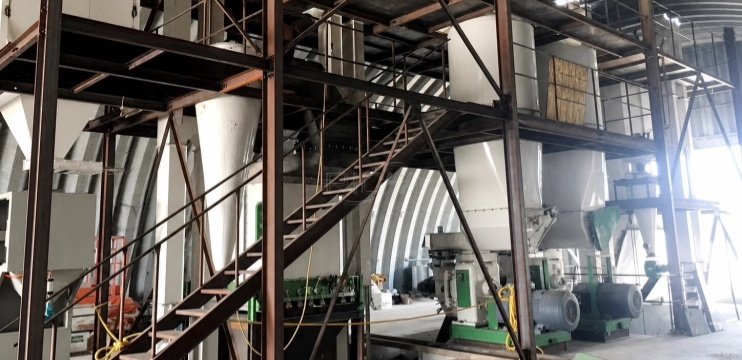
4–5 t/h Wheat Straw Animal Bedding Pellet Machine Project (France)
A local agricultural cooperative collects wheat straw from its member farms and sought to establish a medium-scale pellet production line. This process converts bulky, seasonal straw into pellets that are easier to store and sell, targeting horse stables, cattle farms, and poultry operations. Additionally, the facility processes a mixture of animal manure and used bedding from these farms to produce organic fertilizer pellets for sale.
8–10 t/h Straw-Based Horse Bedding Pellet Plant (Poland)
The client, active in the straw procurement and animal bedding sector, sought to transition from traditional bulk straw to industrial-scale pelletized bedding production. Beyond supplying domestic stables and farms, the client plans to reach broader European markets through a network of distributors.
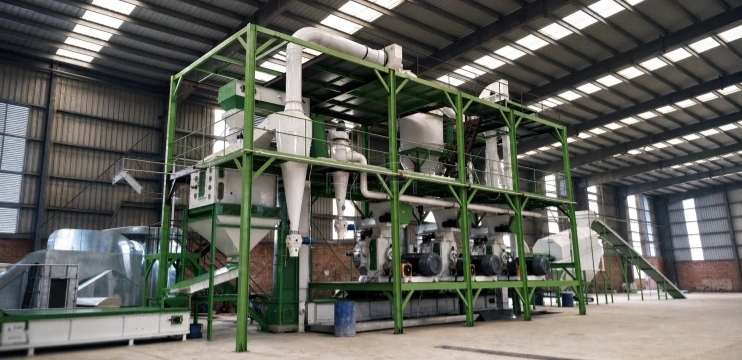
PROJECT FEEDBACK
The completion of equipment installation does not mark the end of a project; the true test lies in subsequent production. For animal bedding pellet machine projects, clients are typically most concerned with whether their specific raw materials can be processed consistently, whether the equipment can operate continuously, whether the resulting pellets meet quality standards, and whether the system is easy to operate and maintain.
3 t/h Horse Bedding Project (Germany)
★
★
★
★
★
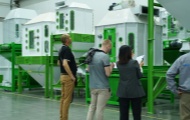
“Our primary concern was the stability of the wood chip feed. During our factory visit, we observed the pelletizing process firsthand and were very satisfied, which led us to move forward with the partnership. The production line is now operational and running stably.”
Client Visits
1–2 t/h Horse Farm Project (Australia)
★
★
★
★
★
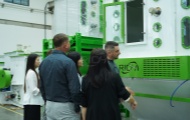
“We didn’t require a very large production scale, and since the product is for our own use at the horse farm—not for commercial sale—the overall design of the production line fits our needs perfectly. It’s simple to operate, and it’s very convenient to produce horse bedding using our own wood shavings.”
Customer Visits
1.5 t/h Straw & Wood-Based Bedding Project (Latvia)
★
★
★
★
★
“We work with both wood shavings and straw, so we were initially concerned about the equipment’s versatility. As it turns out, the system handles both raw materials effectively, and its overall performance meets our expectations.”
Customer Visits
5 t/h Poultry Bedding Project (New Zealand)
★
★
★
★
★
“Our raw material supply fluctuates with the seasons, so the production line couldn’t be limited to just one type of material. Now, we can adjust production based on the specific raw materials available, which is incredibly practical for us.”
Customer Visits

6–7 t/h Large-Scale Project (Romania)
★
★
★
★
★
“After expanding our capacity, our main focus shifted to how well the entire line functions as an integrated system, rather than just the performance of the pellet mill itself. The workflow—from initial raw material processing to pelletizing, cooling, and packaging—is now much smoother than before.”
Customer Visits
BEDDING PELLET LINES & EQUIPMENT
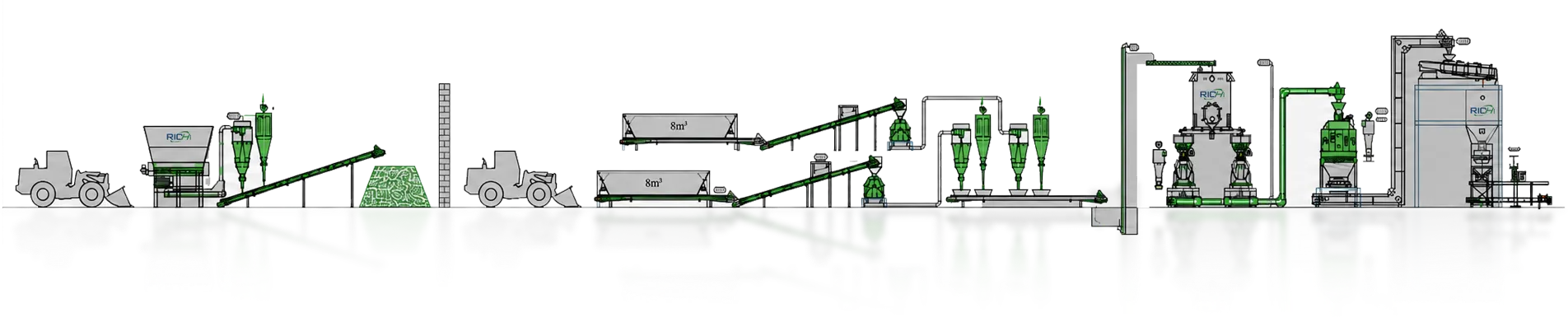
The production of animal bedding pellets involves more than just a single pellet machine; it requires a series of integrated processes, ranging from raw material preparation to the packaging of the finished product. Because the initial state of raw materials can vary, the actual production workflow must be adjusted accordingly—with every stage directly influencing both pelletizing efficiency and the quality of the final bedding pellets.
Raw Material Cleaning
Raw materials used for producing bedding pellets vary widely in type and quality. Cleaning these materials is essential to ensure the quality of the final product and to protect the production equipment.
Raw Material Crushing
Raw materials must be ground to an appropriate particle size to ensure a stable feed during the pelletizing process and to guarantee the quality and functionality of the finished pellets.
Raw Material Drying
Some raw materials have a high moisture content, which can cause equipment clogs, material blockages, and difficulties in pellet formation. These materials must be dried to an optimal moisture level.
Formulation and Mixing
When a production process requires a blend of various raw materials and additives, thorough and uniform mixing ensures consistent quality across the finished pellets.
Pelletizing
Pelletizing is the core stage of the entire production line. Through the combined action of a ring die and pressure rollers, the material is compressed and formed into pellets.
Pellet Cooling
Freshly formed pellets reach temperatures of approximately 80°C; they must be cooled promptly to set their structure and increase their hardness.
Pellet Screening
Fines (small fragments) and substandard pellets are removed and returned to the production line to be re-processed. This ensures product quality and minimizes raw material waste.
Finished Product Packaging
The pellets are precisely weighed, packed, and sealed according to specific requirements and standard specifications.
1
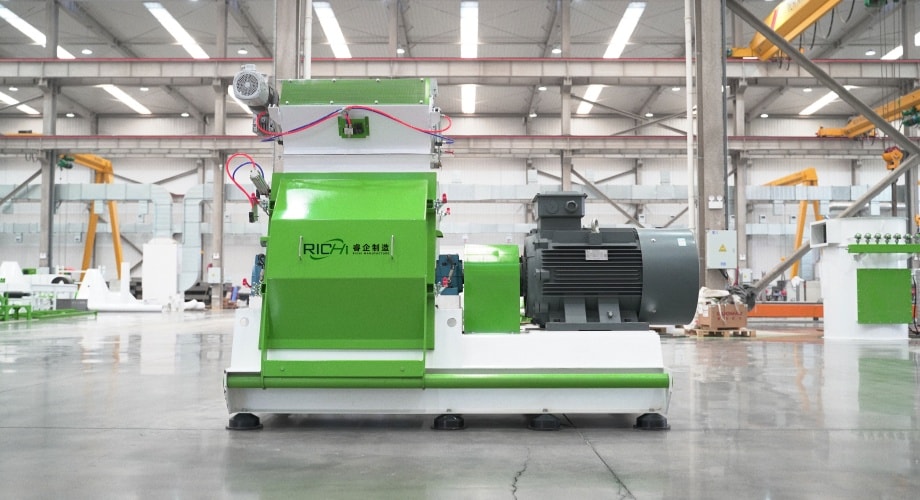
Crusher Machine
A core component of the raw material pre-processing stage; various types of crushing equipment are available.
›
2
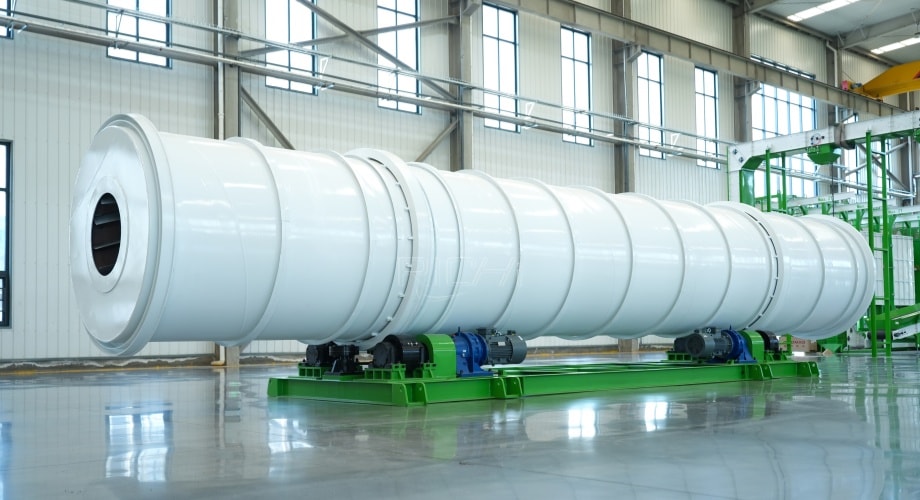
Dryer Machine
Options include rotary drum dryers and mesh-belt circulation dryers.
›
3
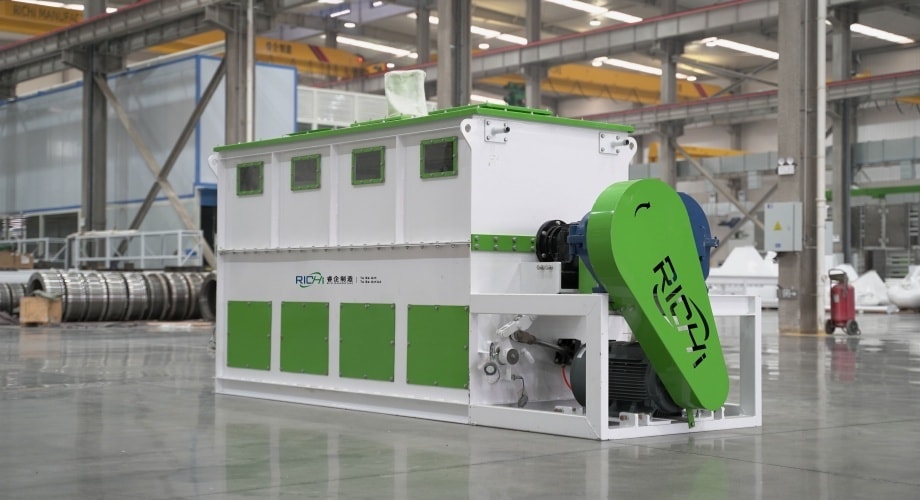
Mixer Machine
Paddle-type mixers and ribbon-type mixers are available.
›
4
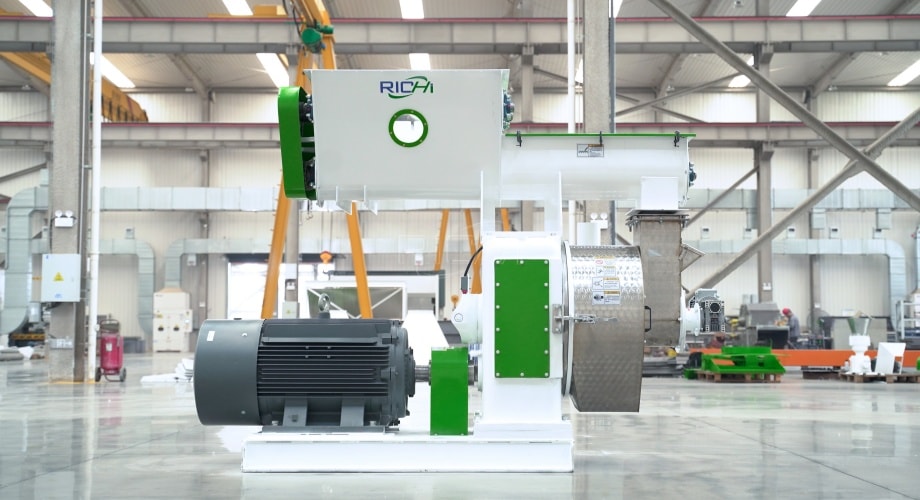
Pellet Machine
Selected based on the raw materials used and the intended application of the finished product.
›
5
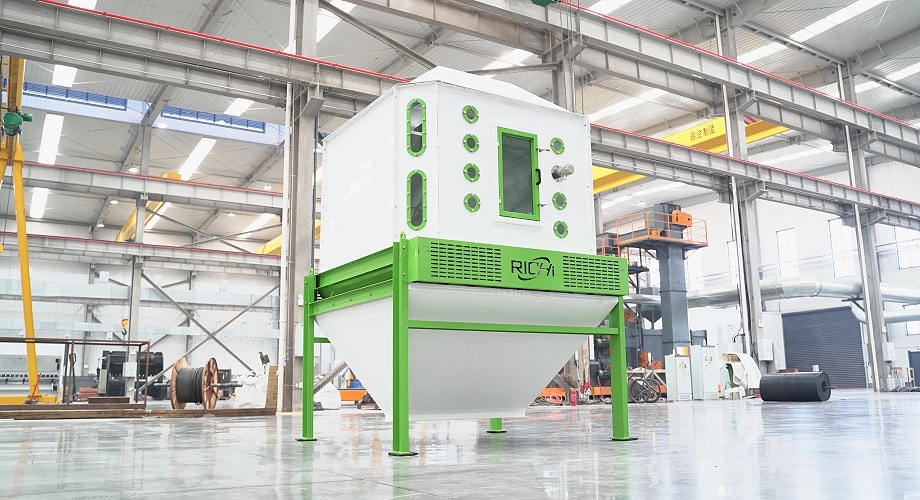
Cooler Machine
Counter-flow coolers offer high efficiency without damaging the pellets.
›
6
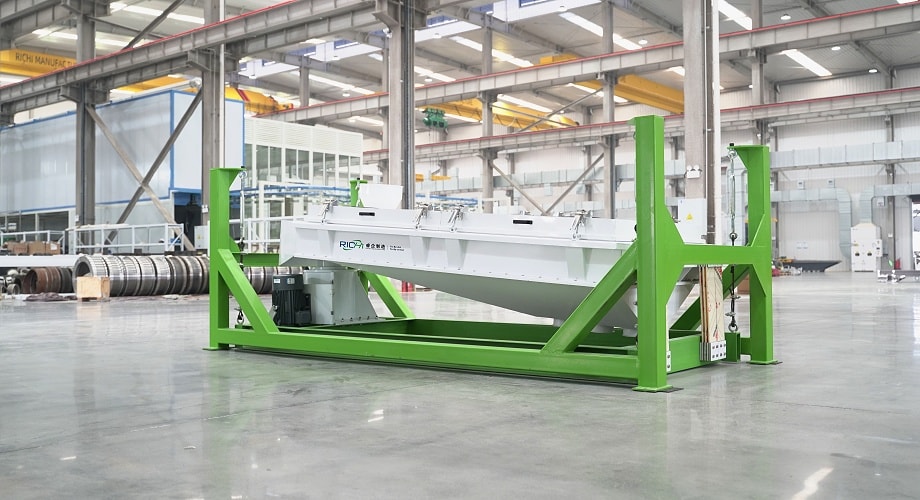
Screening Machine
Specialized equipment for cleaning raw materials and screening finished pellets.
›
7
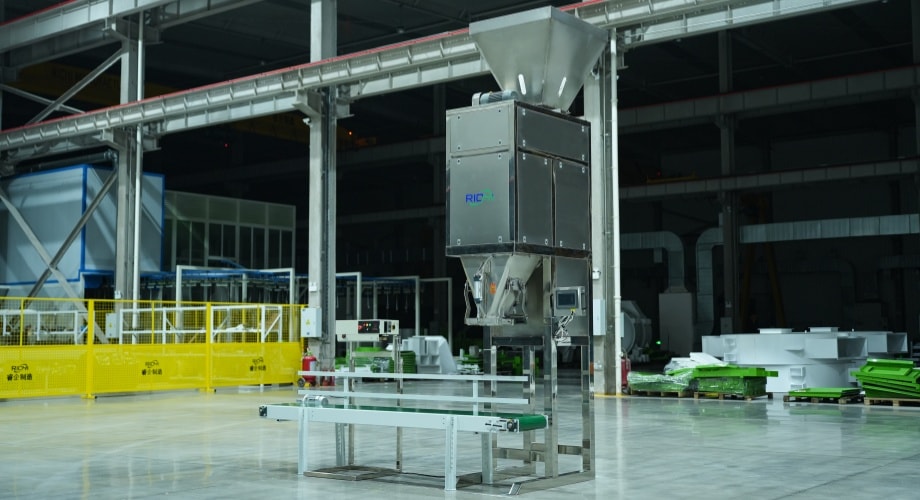
Packaging Machine
Ensures precise weighing and bagging, reducing the need for manual labor.
›
8
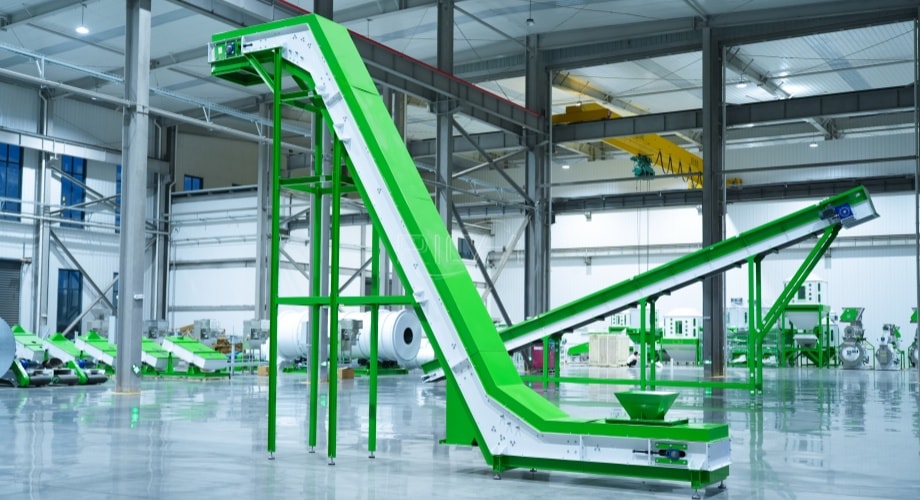
Conveying Equipment
Acts as the “bridge” connecting the various stages of the production line.
›
QUESTIONS
I have a wide variety of raw materials; can I have a biomass bedding pellet mill customized for my needs?
Certainly. RICHI can custom-manufacture an animal bedding pellet machine specifically for clients who use various types of biomass raw materials. These machines are designed to accommodate the compression characteristics of diverse biomass feedstocks, ensuring highly efficient bedding production.
Can horse bedding pellets and wood-based cat litter pellets be produced using the same pellet machine?
Yes. Horse bedding pellets and certain types of wood-based cat litter pellets can be produced using similar pelletizing equipment. However, depending on the intended use of the final product, adjustments may be required regarding raw material preparation, pellet size, density, and other production parameters.
Is the production process different when making equine bedding for cat litter?
It depends on the raw materials used and the specific requirements for the final product. When producing equine bedding or cat litter, factors such as raw material cleanliness, moisture content, particle size, dust content, and water-absorption capacity must be taken into account. Consequently, the production line and the configuration of the pellet mill can be adjusted to meet your specific product requirements.
What sizes of animal bedding pellets can an animal bedding pellet machine produce?
It can produce bedding pellets ranging from 2 mm to 12 mm in diameter. Common sizes include 4 mm, 6 mm, 8 mm, 10 mm, and 12 mm. Sizes can be customized; we will configure the appropriate dies based on the specific pellet dimensions you require.
What is the production capacity of an animal bedding pellet mill?
Production capacity varies depending on the raw material, as different materials have unique characteristics that require varying levels of compression force. Generally, the capacity for a single machine ranges from 0.2 to 40 tons per hour (T/H). If a single machine cannot meet your required output, we can configure your production line with multiple units working in tandem.
What is the price of an animal bedding pellet machine?
The price for a single pellet mill ranges from $7,000 to $100,000, depending on the specific configuration. If you are interested in achieving the best possible return on investment with our equipment, please speak with our technical experts; we would be happy to provide a customized solution for you.
What types of animal bedding pellets can be produced using the animal bedding pellet machine?
Our equipment is capable of producing most types of bedding pellets currently on the market, including those made from wood, paper, minerals, or plant fibers, as well as plant-based bedding derived from ingredients such as starch, soybean residue, or grain by-products. By adjusting raw material pre-processing methods, die specifications, and granulation parameters, the machine can meet the specific bedding requirements for horses, cattle, poultry, cats, and other pets.

